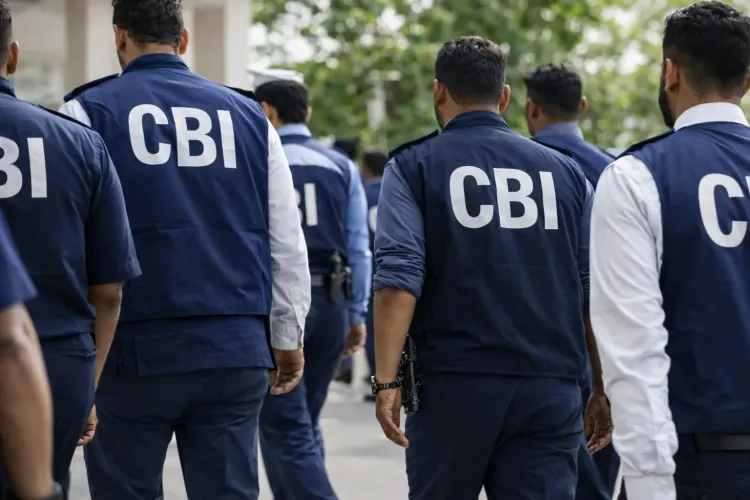
CBI arrests Northern Railways chief materials manager in ₹1 lakh bribe case
Synopsis
The CBI caught a Northern Railways Chief Materials Manager red-handed accepting a ₹1 lakh bribe for manipulating tender awards — and the agency says six are accused in total, with more arrests possible. Searches across four cities have already yielded documents and digital evidence, signalling this could unravel a wider procurement racket inside one of India's busiest railway zones.
Key Takeaways
The CBI arrested three individuals on 4 July , including a Chief Materials Manager and a Senior Clerk from Northern Railways headquarters and a private company representative.
A bribe of ₹1 lakh was recovered on the spot during a CBI trap operation.
A total of six accused have been named, including a Deputy Chief Materials Manager and the private company along with its representatives.
Searches were conducted across Delhi , Ghaziabad , Bulandshahr , and Kanpur , yielding incriminating documents and digital devices.
Further arrests have not been ruled out as the investigation continues.
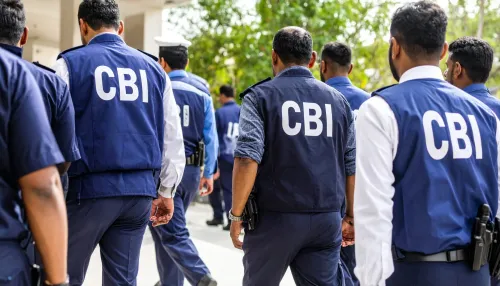
The Central Bureau of Investigation (CBI) has arrested three individuals — including two public servants from Northern Railways and a representative of a private company — in connection with a bribery case involving the award of railway tenders in New Delhi. The arrests followed a trap operation in which a bribe of ₹1 lakh was recovered on the spot on 4 July.
Who Was Arrested
Those taken into custody have been identified as a Chief Materials Manager and a Senior Clerk, both posted at the Northern Railways headquarters, along with a representative of the private company involved. The CBI has registered a case against six accused in total, including a Deputy Chief Materials Manager, the private company, two of its representatives, and unknown other public servants and private individuals.
How the Trap Was Sprung
According to the agency, the accused public servants were allegedly colluding with representatives of the private firm to extend undue favours in the award of railway tenders in exchange for illegal gratification. They are also accused of violating prescribed procedures and norms governing public procurement.
During the CBI's trap operation, a bribe amount of ₹1 lakh — transacted and delivered by the private company's representative to the Chief Materials Manager — was recovered from the spot. The two railway officials and the bribe-giver were subsequently arrested.
Searches and Evidence Recovered
Following the arrests, the CBI conducted searches at multiple locations across Delhi, Ghaziabad, Bulandshahr, and Kanpur. The searches led to the recovery of several incriminating documents and digital devices, which officials said are likely to provide crucial evidence as the investigation advances.
What Comes Next
The probe is ongoing, with the CBI examining the roles of the remaining accused and the full extent of alleged irregularities in the tender process. Officials have not ruled out further arrests as the investigation progresses. This case adds to a growing pattern of CBI actions targeting procurement corruption within public-sector undertakings, where tender manipulation has repeatedly surfaced as a systemic risk.
Point of View
But the CBI's decision to name six accused — including a Deputy Chief Materials Manager and an entire private company — suggests investigators believe this is not an isolated transaction. Railway procurement has long been flagged as a vulnerability: the tender process, opaque in parts and high-value by design, creates structural incentives for collusion between officials and vendors. The searches across four cities in one operation indicate the agency is building a paper trail, not just making symbolic arrests. Whether this leads to systemic reform or remains a one-off enforcement action will depend on how far up the chain the CBI is willing to go.
NationPress
3 Oct 2026
Frequently Asked Questions
Who did the CBI arrest in the Northern Railways bribery case?
The CBI arrested a Chief Materials Manager and a Senior Clerk posted at Northern Railways headquarters, along with a representative of a private company. All three were detained following a trap operation on 4 July in which a ₹1 lakh bribe was recovered on the spot.
What was the bribe amount recovered in the CBI trap operation?
The CBI recovered ₹1 lakh in cash during the trap operation. The amount was allegedly transacted and delivered by the private company's representative to the Chief Materials Manager in exchange for undue favours in the award of railway tenders.
How many people are accused in the Northern Railways tender corruption case?
The CBI has registered a case against six accused in total, including a Deputy Chief Materials Manager, the private company, two of its representatives, and unknown other public servants and private individuals. Three have been arrested so far.
Where did the CBI conduct searches in this case?
The CBI conducted searches at multiple locations across Delhi, Ghaziabad, Bulandshahr, and Kanpur. The searches led to the recovery of incriminating documents and digital devices that officials say are likely to serve as crucial evidence.
Are more arrests expected in the Northern Railways bribery case?
Yes, the CBI has not ruled out further arrests. The agency is examining the roles of the remaining accused and the full extent of alleged irregularities in the railway tender process as the investigation continues.