JeM suspect's recce of CM Adhikari's Kolkata home foiled by CCTV cover
Synopsis
A JeM suspect sent to photograph West Bengal CM Suvendu Adhikari's Kolkata home was stopped not by police — but by CCTV cameras. Hamim Mondal, arrested from Burdwan, admitted his Pakistan-based handlers had warned him against being caught on footage. The case has now exposed a honey-trap network allegedly targeting at least six sitting West Bengal cabinet ministers' families.
Key Takeaways
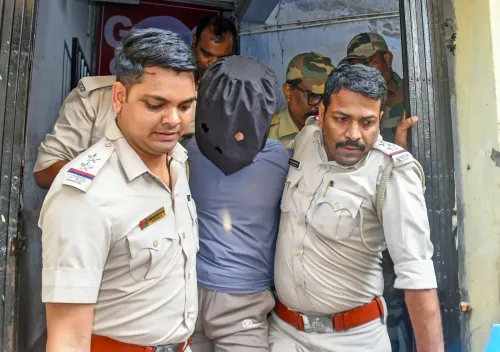
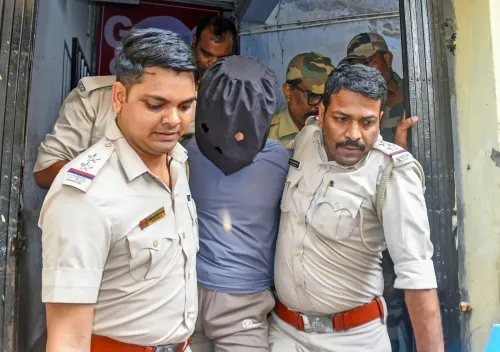
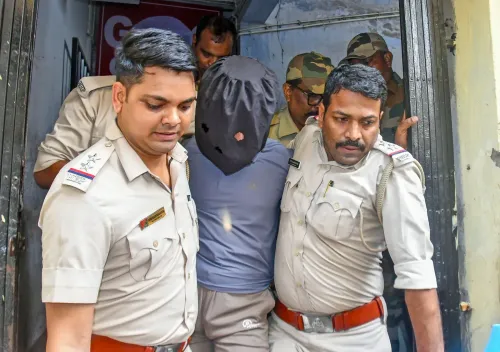
Hamim Mondal , a suspected Jaish-e-Mohammed (JeM) associate, was arrested from Burdwan town , East Burdwan district , by the West Bengal STF .
Mondal admitted to conducting recce near West Bengal CM Suvendu Adhikari's Chinar Park residence but was deterred from filming by dense CCTV coverage.
His Pakistan-based handlers had explicitly instructed him not to be captured on CCTV while surveilling VVIP locations.
Mondal also had links to the Shahzad Bhatti Network (SBN) , a Pakistan-based terrorist-criminal group.
Associate Arpita Sarkar allegedly ran a honey-trap operation targeting family members of at least 6 sitting West Bengal cabinet ministers .
Mondal, Sarkar, and Aditya Singh are currently in STF custody; the NIA is jointly interrogating them.
A suspected associate of the banned terror outfit Jaish-e-Mohammed (JeM), Hamim Mondal, was unable to photograph or film the Chinar Park residence of West Bengal Chief Minister Suvendu Adhikari during surveillance operations, because dense CCTV coverage across the area deterred him from acting, according to sources familiar with the investigation. Mondal was arrested last week from Burdwan town in East Burdwan district by the Special Task Force (STF) of the West Bengal Police.
What Mondal Admitted During Interrogation
During marathon questioning by both STF officers and the National Investigation Agency (NIA), Mondal reportedly admitted that he had conducted recce of the area surrounding the Chief Minister's Chinar Park residence as well as the convoy routes used by Adhikari's security detail. However, he confirmed he was unable to capture any photographs or videos, fearing detection by the extensive surveillance network in the locality.
Mondal also disclosed that his Pakistan-based handlers had issued explicit instructions that he must not be caught on CCTV footage while conducting surveillance of VVIP residences or their surroundings. The heavy camera coverage effectively neutralised his ability to document the target area, a state police official said.
How the Recce Was Conducted
Despite being unable to record footage, Mondal reportedly adapted his methods — hiring app-based cab services at various points to conduct moving surveillance of the routes through which the Chief Minister's convoy typically travels. This tactic, investigators believe, was designed to blend in with regular commuters and avoid arousing suspicion.
The Broader Network: JeM and Shahzad Bhatti Network
Mondal's alleged terror links extended beyond JeM. Investigators say he also maintained contact with the Shahzad Bhatti Network (SBN), a Pakistan-based terrorist-criminal syndicate. Currently, Mondal and two associates — Arpita Sarkar and Aditya Singh — remain in STF custody.
According to the investigation so far, Sarkar was allegedly deployed as a honey-trap operative, targeting politically and socially influential individuals in West Bengal and subsequently extorting money from them through blackmail. STF officials have revealed that SBN used Sarkar to target family members of at least six current West Bengal cabinet ministers, as well as other influential figures within the state's administrative machinery.
Security and Intelligence Implications
The episode underscores the role of urban surveillance infrastructure in disrupting pre-attack reconnaissance. This is among the first publicly confirmed instances in recent years where CCTV density alone is credited with disrupting a terror-linked intelligence-gathering operation targeting a sitting state chief minister. The NIA's involvement signals that the Centre is treating the case as a matter of national security, not merely a state law-enforcement matter.
As the investigation deepens, authorities are expected to probe the full extent of the network's reach into West Bengal's political and administrative establishment.
Point of View
However, is the honey-trap thread — if SBN indeed penetrated the social circles of six cabinet ministers' families, the breach goes well beyond a single suspect with a phone. The NIA's involvement is a signal that the Centre views this as a networked threat, not an isolated arrest. West Bengal's political establishment would do well to treat this as a systemic warning, not a law-enforcement footnote.
NationPress
4 Aug 2026
Frequently Asked Questions
Who is Hamim Mondal and why was he arrested?
Hamim Mondal is a suspected associate of the banned terror outfit Jaish-e-Mohammed (JeM), arrested from Burdwan town in East Burdwan district by the West Bengal STF. He is accused of conducting surveillance near West Bengal Chief Minister Suvendu Adhikari's Chinar Park residence in Kolkata on instructions from Pakistan-based handlers.
Why was Mondal unable to photograph CM Adhikari's residence?
Mondal admitted during interrogation that dense CCTV coverage across the Chinar Park area prevented him from capturing photos or videos, fearing he would be caught on footage. His Pakistan-based handlers had also specifically instructed him not to appear on CCTV while surveilling VVIP locations.
What is the Shahzad Bhatti Network (SBN)?
The Shahzad Bhatti Network (SBN) is a Pakistan-based terrorist-criminal syndicate with which Mondal allegedly maintained contact in addition to his JeM links. According to investigators, SBN used associate Arpita Sarkar to run honey-trap operations targeting politically influential individuals in West Bengal.
Who are Arpita Sarkar and Aditya Singh?
Arpita Sarkar and Aditya Singh are two associates of Hamim Mondal currently in STF custody. Sarkar was allegedly used to honey-trap and blackmail politically and socially influential persons in West Bengal, including family members of at least six sitting state cabinet ministers.
Is the NIA involved in the investigation?
Yes, the National Investigation Agency (NIA) is jointly interrogating Mondal along with STF officers, indicating that the Centre views the case as a national security matter. The NIA's involvement suggests the probe is expected to extend beyond West Bengal's borders to trace the Pakistan-based network.