CEC Gyanesh Kumar pushes electoral literacy for youth at Lucknow ELC 2.0 conference
Synopsis
Chief Election Commissioner Gyanesh Kumar used a Lucknow conference to push ELC 2.0 — a digitally enabled electoral literacy drive targeting India's 25 crore school students and 4.33 crore college enrollees. With ECINet as its backbone, the initiative is the ECI's most ambitious attempt to wire democratic education into the classroom before the next wave of first-time voters arrives.
Key Takeaways
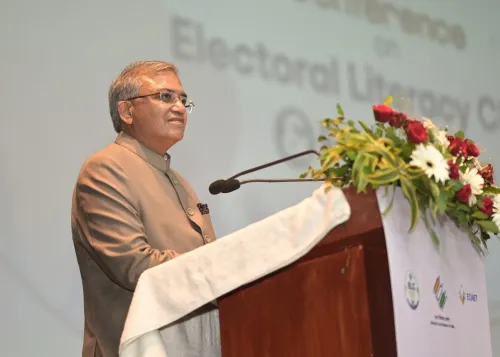
CEC Gyanesh Kumar addressed the ELC 2.0 regional conference at Indira Gandhi Pratishthan, Lucknow on 24 August .
ELC 2.0 will operate as a structured, digitally enabled network of Electoral Literacy Clubs across schools, colleges, and universities.
The initiative will leverage the ECINet platform and a dedicated ELC portal for pan-India coordination.
India's educational ecosystem spans approximately 15 lakh schools with 25 crore students and nearly 70,000 higher education institutions with 4.33 crore enrolments .
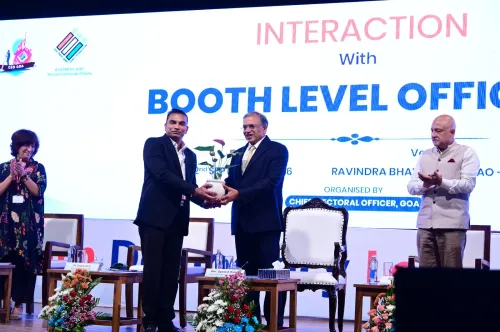
On 25 August , the CEC will meet Booth Level Officers (BLOs) of Uttar Pradesh to review ground-level electoral infrastructure.
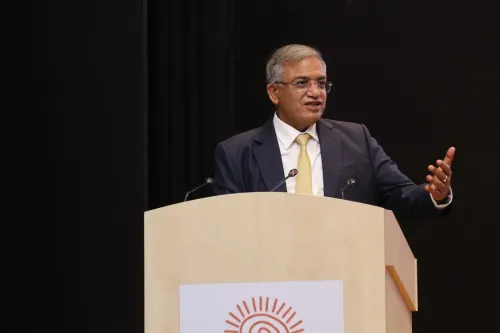
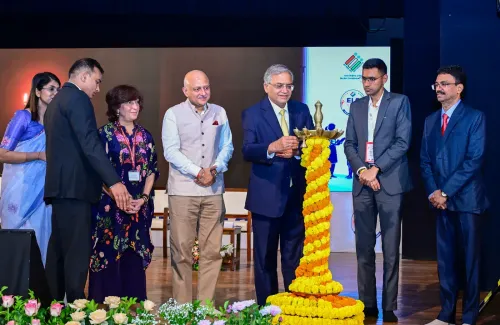
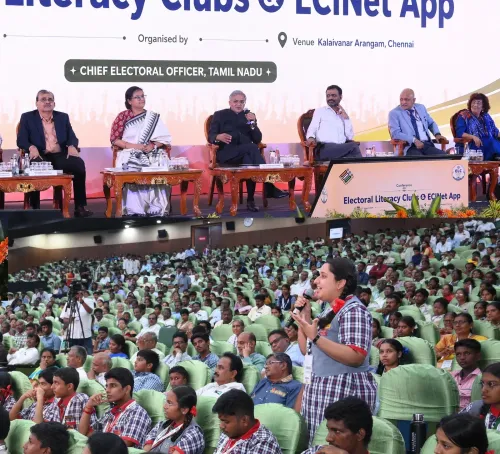
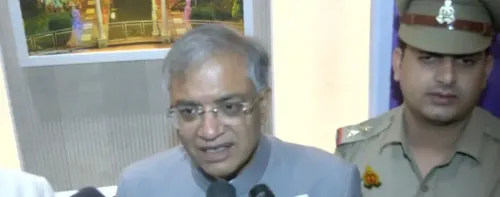
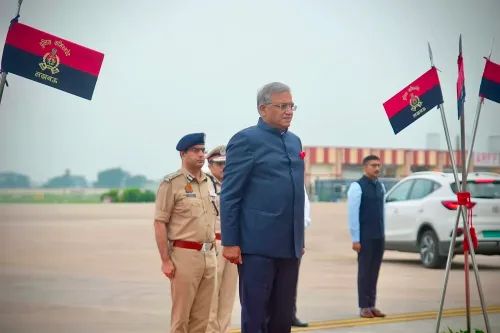
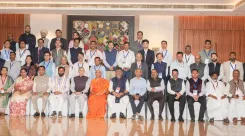
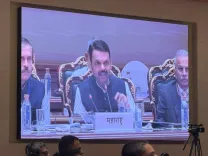
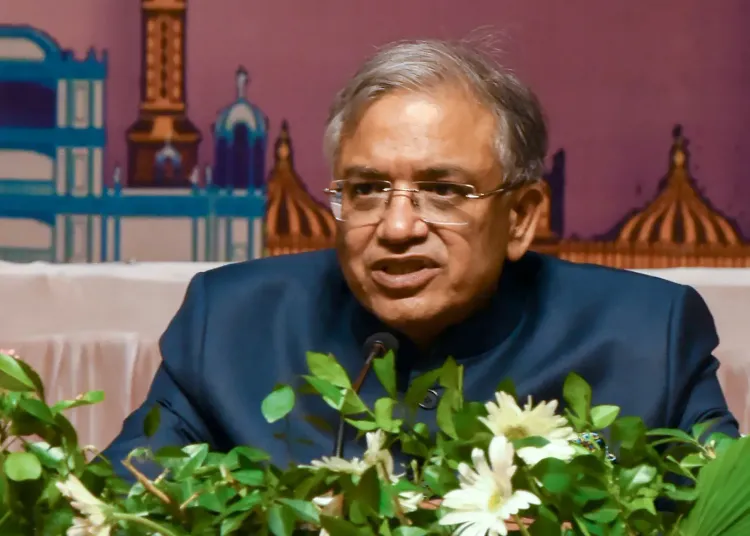
Chief Election Commissioner Gyanesh Kumar on Monday, 24 August addressed students and teachers from across Uttar Pradesh at the second regional conference on Electoral Literacy Clubs (ELC 2.0) and ECINet, held at Indira Gandhi Pratishthan in Lucknow. The CEC called for deeper engagement of young citizens with India's electoral processes, describing students as the nation's future.
What ELC 2.0 Aims to Achieve
The initiative, carrying the tagline 'Learn Democracy. Lead Democracy.', reimagines Electoral Literacy Clubs as structured, digitally enabled platforms across schools, colleges, and universities. ELC 2.0 envisions continuous, year-round activities designed to promote electoral awareness not just among students but within their families and wider communities.
The programme will be anchored on the ECINet digital platform, which consolidates all election-related services — from voter roll management to polling day operations — into a single accessible interface. A dedicated ELC portal on ECINet will serve as the nerve centre for a pan-India network of clubs.
Why the Scale Matters
The initiative draws its urgency from the sheer size of India's educational ecosystem. According to official figures, the country has approximately 15 lakh schools enrolling nearly 25 crore students, supported by over 1 crore teachers. The higher education sector adds another 1,500 universities and roughly 70,000 institutions, with an estimated 4.33 crore students enrolled. Reaching even a fraction of this base could significantly shift first-time voter participation rates.
CEC Kumar underlined that young electors must be familiarised with electoral registration, polling and counting processes, and the constitutional framework under which the Election Commission of India (ECI) operates. He noted that elections in India are conducted transparently under the concurrent audit of political parties, candidates, and their representatives at every stage.
CEC's Visit to His Alma Mater
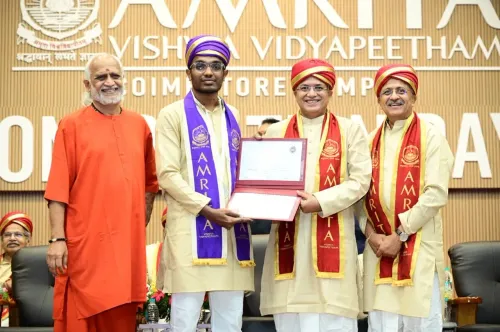
Earlier on the same day, Gyanesh Kumar visited Colvin Taluqdars' College in Lucknow — his alma mater — where he interacted with teachers and students. The personal connection lent added resonance to his message on civic education.
What Comes Next
On Tuesday, 25 August, the second day of his Lucknow visit, the CEC is scheduled to meet Booth Level Officers (BLOs) of Uttar Pradesh — the ground-level functionaries who maintain voter rolls and serve as the first point of contact for electoral registration. The interaction signals the ECI's parallel focus on strengthening administrative infrastructure alongside citizen outreach.
As India heads toward an increasingly complex electoral calendar, the ELC 2.0 rollout represents the Commission's most structured attempt yet to institutionalise democratic education at the grassroots level.
Point of View
Institutionalised activity is a meaningful structural departure. The real test, however, is implementation: past ELC iterations struggled with uneven participation across states, and digitisation alone will not fix that. With Uttar Pradesh — India's most electorally consequential state — as the launchpad, the ECI is making a visible bet, but the CEC's parallel meeting with Booth Level Officers suggests the Commission is aware that citizen outreach without administrative depth rarely converts into durable voter participation.
NationPress
9 Oct 2026
Frequently Asked Questions
What is ELC 2.0 launched by the Election Commission of India?
ELC 2.0, or Electoral Literacy Clubs 2.0, is an upgraded initiative by the Election Commission of India designed to promote electoral awareness among young citizens through schools, colleges, and universities. It reimagines existing Electoral Literacy Clubs as structured, digitally enabled platforms operating year-round, with the tagline 'Learn Democracy. Lead Democracy.' The programme will be supported by the ECINet digital platform.
What is ECINet and how does it support ELC 2.0?
ECINet is the Election Commission of India's digital platform that consolidates all election-related services — from voter roll management to polling day operations — in one place. ELC 2.0 will use a dedicated portal on ECINet to manage and coordinate a pan-India network of Electoral Literacy Clubs across educational institutions.
Why is the ELC 2.0 initiative significant for India?
India's educational ecosystem comprises approximately 15 lakh schools with nearly 25 crore students and over 70,000 higher education institutions with 4.33 crore enrolled students. Embedding electoral literacy within this system could substantially raise informed participation among first-time voters, who represent a critical and growing share of the electorate.
What did CEC Gyanesh Kumar say at the Lucknow conference?
CEC Gyanesh Kumar stated that Electoral Literacy Clubs are essential for spreading knowledge of electoral processes and enriching democracy. He emphasised that young citizens' informed participation is an investment in the future of democracy, and that elections in India are conducted transparently under the concurrent audit of political parties and candidates at every stage.
What is the CEC's schedule for the Lucknow visit?
On Monday, 24 August, CEC Gyanesh Kumar addressed the ELC 2.0 regional conference and also visited his alma mater, Colvin Taluqdars' College. On Tuesday, 25 August, he is scheduled to hold an interaction with Booth Level Officers (BLOs) of Uttar Pradesh.