CEC Gyanesh Kumar: Transparent electoral rolls are foundation of free elections
Synopsis
Chief Election Commissioner Gyanesh Kumar used a university convocation stage in Coimbatore to deliver a pointed civic message: accurate electoral rolls are not administrative detail — they are the structural foundation of Indian democracy. His call to young graduates to go beyond voting and actively engage with democratic institutions signals the ECI's push to build public trust ahead of upcoming state election cycles.
Key Takeaways
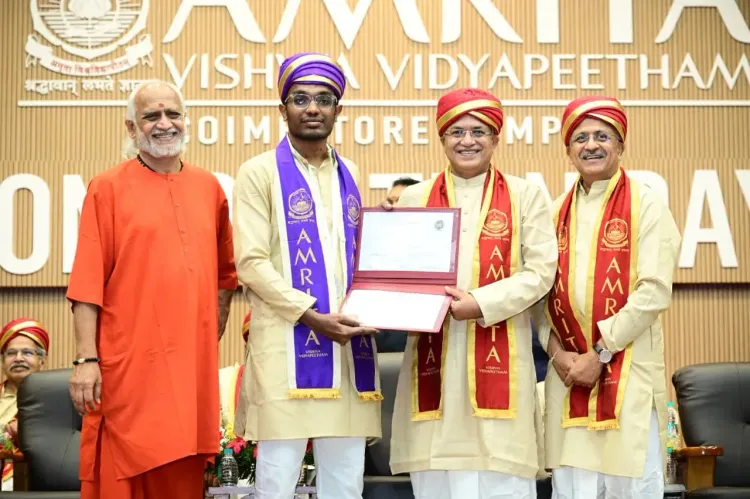
Chief Election Commissioner Gyanesh Kumar addressed the 30th Convocation of Amrita Vishwa Vidyapeetham , Coimbatore , on 1 August .
Kumar described transparent and accurate electoral rolls as the foundation of free and fair elections in India.
He urged first-time and future voters to participate actively and exercise their electoral rights responsibly.
The CEC argued that citizenship extends beyond voting — civic awareness and commitment to democratic values are equally important.
His remarks reflect the Election Commission of India's broader push to improve voter registration quality ahead of upcoming state elections.
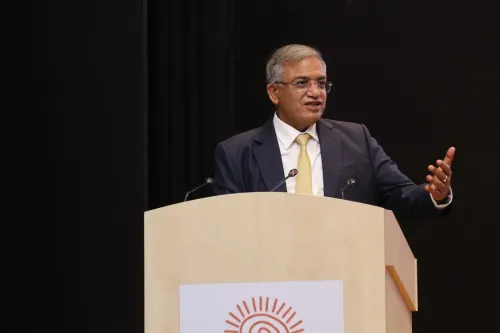
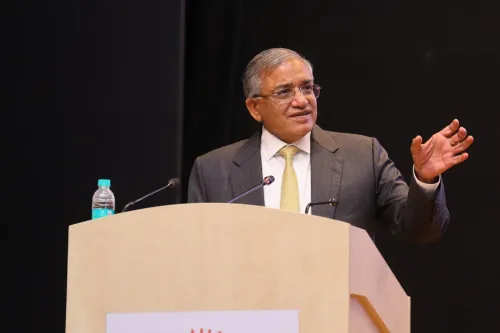
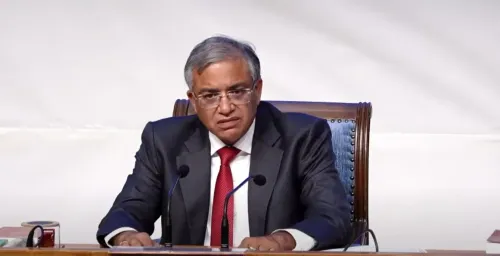
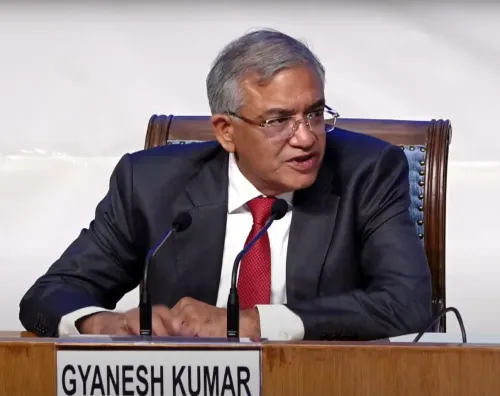
Chief Election Commissioner Gyanesh Kumar on Saturday, 1 August stressed that transparent and accurate electoral rolls are the cornerstone of free and fair elections in India, urging young graduates to take ownership of the country's democratic future. He was speaking at the 30th Convocation Ceremony of Amrita Vishwa Vidyapeetham at its Coimbatore campus, where he served as chief guest.
What the CEC Said on Electoral Rolls
Kumar told the gathering that the integrity of the electoral process depended significantly on the accuracy and credibility of voter lists. He described transparent electoral rolls as essential to ensuring that every eligible citizen had a genuine opportunity to participate in elections.
Maintaining accurate voter records, he noted, was not a bureaucratic formality but a crucial safeguard for public confidence in the democratic system. His remarks come at a time when the Election Commission of India (ECI) has been under renewed scrutiny over the quality and inclusiveness of voter registration drives across several states.
Call to First-Time Voters and Young Citizens
Addressing graduating students, faculty, and dignitaries, Kumar specifically encouraged first-time and future voters to participate actively in the democratic process and to exercise their electoral rights responsibly. He argued that citizenship extended well beyond casting a ballot — active engagement, civic awareness, and a commitment to democratic values were equally vital.
The CEC urged graduates entering professional and public life to recognise their role in strengthening India's constitutional institutions, describing young people as critical stakeholders in the country's democratic health.
Convocation Context and Significance
The 30th convocation of Amrita Vishwa Vidyapeetham's Coimbatore campus conferred degrees on students across multiple academic disciplines. The presence of the Chief Election Commissioner as chief guest gave the ceremony an added civic dimension, offering graduates a direct window into the functioning of one of India's key constitutional bodies.
Kumar's address linked academic achievement to public responsibility, framing the transition from university to professional life as an opportunity to contribute to nation-building through democratic participation.
Broader Democratic Accountability
The CEC's emphasis on electoral roll accuracy reflects a wider institutional push by the ECI to improve voter registration quality ahead of upcoming state assembly cycles. Inaccurate or exclusionary voter lists have historically been a source of electoral disputes, and the Commission has repeatedly called for greater citizen involvement in verification exercises.
Notably, this is not the first time a senior ECI official has used a public platform outside New Delhi to reinforce the Commission's outreach mandate — a pattern that signals the body's intent to build grassroots awareness around electoral participation.
With several state elections on the horizon, Kumar's message at Coimbatore underscores the Commission's focus on building public trust in the electoral infrastructure well before polling season begins.
Point of View
Deletions, and registration gaps, particularly affecting marginalised communities. Framing electoral roll accuracy as a civic responsibility of citizens, rather than solely an institutional obligation of the Commission, is a subtle but significant rhetorical shift. It places the burden of democratic health on graduates entering public life, while the harder question — whether the ECI's own processes are robust enough — goes unaddressed from the podium.
NationPress
16 Sept 2026
Frequently Asked Questions
What did Chief Election Commissioner Gyanesh Kumar say at the Coimbatore convocation?
CEC Gyanesh Kumar said that transparent and accurate electoral rolls are the foundation of free and fair elections in India. He urged graduating students to participate actively in democratic processes and treat civic engagement as a responsibility that goes beyond simply casting a vote.
Why are accurate electoral rolls important for Indian elections?
Accurate voter lists ensure that every eligible citizen can participate in elections and that no legitimate voter is excluded. Inaccurate or outdated rolls have historically led to electoral disputes, making their maintenance a critical element of public trust in the democratic system.
Where did CEC Gyanesh Kumar deliver this speech?
Kumar delivered the address at the 30th Convocation Ceremony of Amrita Vishwa Vidyapeetham at its Coimbatore campus on 1 August, where he was the chief guest.
What is the Election Commission's broader focus on voter rolls?
The Election Commission of India has been pushing for improved voter registration quality and greater citizen involvement in verification exercises, particularly ahead of upcoming state assembly elections. The CEC's public outreach is part of this institutional effort to build grassroots awareness.
Who is Gyanesh Kumar?
Gyanesh Kumar is the Chief Election Commissioner of India, heading the Election Commission of India — a constitutional body responsible for administering and overseeing elections across the country.