Dharmendra Pradhan Pays Tribute to Sardar Patel on National Unity Day
Synopsis
Union Education Minister Dharmendra Pradhan marked Rashtriya Ekta Diwas on 31 October 2026 with a reverential tribute to Sardar Vallabhbhai Patel, the Iron Man who integrated over 500 princely states into independent India and was posthumously awarded the Bharat Ratna in 1991.
Key Takeaways
Union Education Minister Dharmendra Pradhan paid tribute to Sardar Vallabhbhai Patel on his birth anniversary on 31 October 2026 .
Patel led the integration of over 500 princely states into India after independence in 1947 and was posthumously awarded the Bharat Ratna in 1991 .
The Government of India declared 31 October as Rashtriya Ekta Diwas (National Unity Day) in 2014 to honour Patel's legacy.
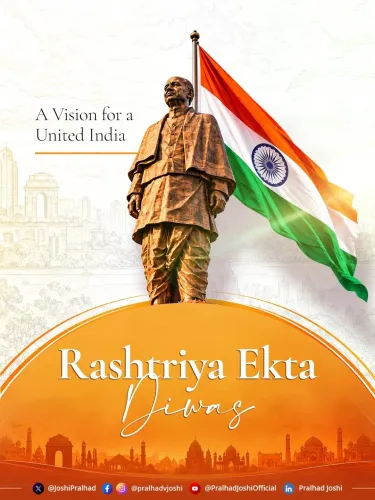
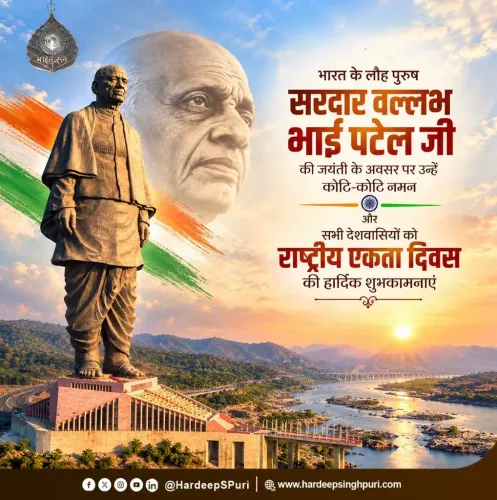
The Statue of Unity in Gujarat , inaugurated in 2018 , stands at 182 metres as a permanent monument to Patel.
Pradhan's tribute as Education Minister is significant given the ministry's influence over how Patel's legacy is presented in India's school curricula.
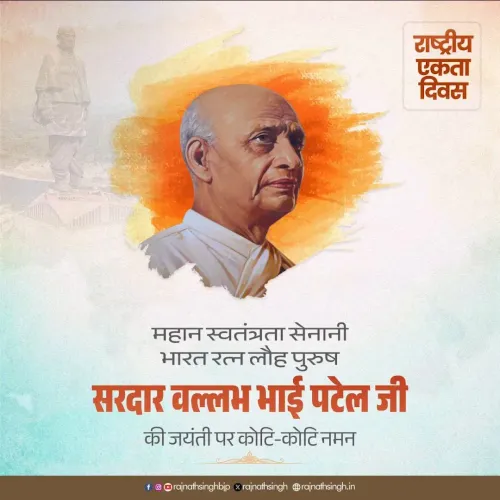
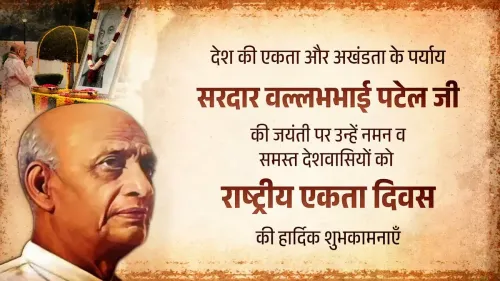
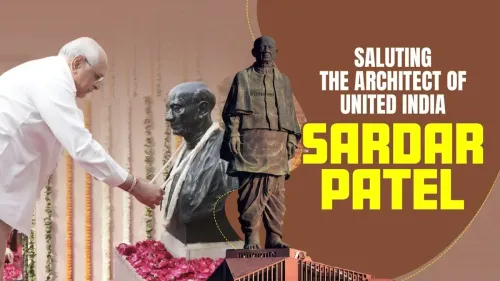
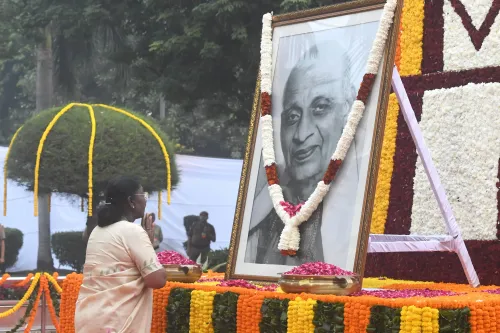
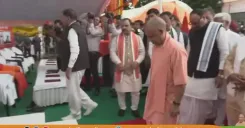
On the 131st birth anniversary of Sardar Vallabhbhai Patel, Union Education Minister Dharmendra Pradhan paid solemn tribute to the architect of modern India's territorial unity, calling his resolve and dedication an enduring inspiration for every citizen's service to the nation.
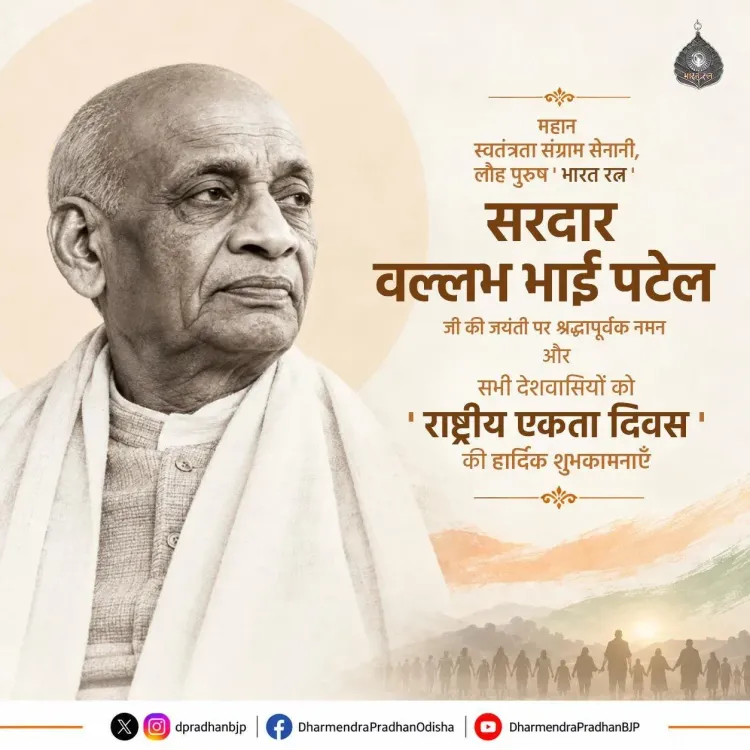
Posting on 31 October 2026 — Rashtriya Ekta Diwas (National Unity Day) — Pradhan wrote: 'Aadhunik Bharat ke shilpkar, Loh Purush 'Bharat Ratna' Sardar Vallabhbhai Patel ji ki jayanti par unhe shraddhapoorvak naman karta hoon.' In English: 'I reverently bow to the 'Bharat Ratna', the Iron Man and architect of modern India, Sardar Vallabhbhai Patel, on his birth anniversary.' He extended warm wishes for National Unity Day to all fellow citizens.
The man who stitched a nation together
Patel's place in India's founding story is singular. After independence in 1947, he led the integration of over 500 princely states into the Indian Union — a feat of political persuasion, pressure, and sheer will that no map-maker could have achieved alone. He was awarded the Bharat Ratna posthumously in 1991, India's highest civilian honour.
The scale of that achievement is easy to understate. In roughly two years, a patchwork of kingdoms, nawabships, and chiefdoms became a single constitutional republic. That continuity — the India whose borders schoolchildren trace today — is, in large part, Patel's doing.
How Rashtriya Ekta Diwas became an annual institution
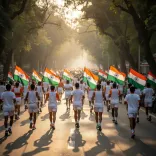
In 2014, the Government of India formally declared 31 October as Rashtriya Ekta Diwas, anchoring Patel's birth anniversary as a national observance dedicated to integration and unity. Four years later, the Statue of Unity — at 182 metres, the world's tallest statue — was inaugurated in Gujarat as a permanent monument to his legacy. Across the country, the day is marked by run events, pledge ceremonies, and institutional programmes at state and central government levels.
The observance sits within a broader pattern of the BJP-led government's emphasis on leaders historically associated with territorial consolidation and strong national authority. Annual commemorations for figures such as B. R. Ambedkar and Subhas Chandra Bose follow a similar cadence — each given institutional weight through official events, infrastructure, and, increasingly, curriculum recognition.
Education minister, national memory
That the tribute comes from the Union Education Minister adds a particular resonance. Pradhan, a senior BJP leader who previously held the Petroleum portfolio, now oversees a ministry with direct influence over how historical figures are framed in school curricula. Patel's role in national integration has featured with growing prominence in government-backed educational narratives — making the minister's voice on this day more than ceremonial.
The Iron Man's lesson, as Pradhan frames it, is straightforward: an unshakeable resolve in service of the nation. One hundred and thirty-one years on, India's leaders still reach for that example when they want to say something about what the country is — and what it should remain.
Point of View
Posted in his capacity as Union Education Minister, carries weight beyond the ceremonial — the ministry directly shapes how Patel is taught and remembered across India's schools. The BJP-led government has consistently institutionalised Patel's legacy through Rashtriya Ekta Diwas, the Statue of Unity, and curriculum emphasis, positioning him as the definitive symbol of national integration. This annual observance functions as both a historical tribute and a living policy statement about territorial unity and central authority. The pattern signals that the government sees historical memory not just as commemoration, but as an active instrument of civic identity-building.
NationPress
31 Oct 2026
Frequently Asked Questions
Why is 31 October celebrated as National Unity Day in India?
31 October is celebrated as Rashtriya Ekta Diwas, or National Unity Day, because it marks the birth anniversary of Sardar Vallabhbhai Patel. The Government of India formally instituted the observance in 2014 to honour Patel's role in integrating over 500 princely states into independent India and to promote national integration.
What did Sardar Vallabhbhai Patel do for India?
Sardar Vallabhbhai Patel led the integration of over 500 princely states into the Indian Union after independence in 1947, effectively creating the territorial boundaries of modern India. He was posthumously awarded the Bharat Ratna, India's highest civilian honour, in 1991.
When was the Statue of Unity inaugurated and where is it?
The Statue of Unity, the world's tallest statue at 182 metres, was inaugurated in 2018 in Gujarat, India, as a monument dedicated to Sardar Vallabhbhai Patel.
Who is Dharmendra Pradhan and what is his role?
Dharmendra Pradhan is India's Union Education Minister and a senior BJP leader. He previously served as Union Petroleum Minister before taking charge of the Education portfolio.
What is the Iron Man of India title and who does it refer to?
The title 'Iron Man of India' refers to Sardar Vallabhbhai Patel, recognising the extraordinary resolve he displayed in persuading and, where necessary, pressuring hundreds of princely states to accede to the Indian Union after independence in 1947.