Kishan Reddy: Centre slashes prices of 543 cancer drug brands
Synopsis
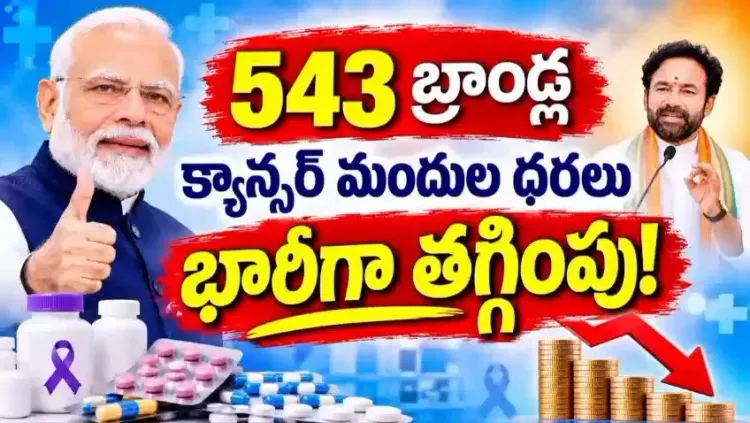
Union Minister G. Kishan Reddy announced the Centre has reduced prices of 543 cancer drug brands from 9 November 2026, rationalising trade margins on 137 non-scheduled medicines. Fulvestrant injections drop from Rs 26,072 to Rs 5,491 — nearly 79 percent — offering significant relief to poor and middle-class patients.
Key Takeaways
543 cancer drug brands have had their prices slashed by the central government, effective 9 November 2026 .
Fulvestrant injections drop from Rs 26,072 to Rs 5,491 — a reduction of nearly 79 percent .
The move targets 137 non-scheduled cancer medicines through trade margin rationalisation under the DPCO framework.
The National Pharmaceutical Pricing Authority (NPPA) is the statutory body that enforces the revised pricing.
The intervention continues a policy lineage stretching back to 2018–2019 NPPA notifications on oncology drug margins.
NPPA compliance monitoring post- 9 November will determine whether reduced prices reach patients at retail pharmacies.
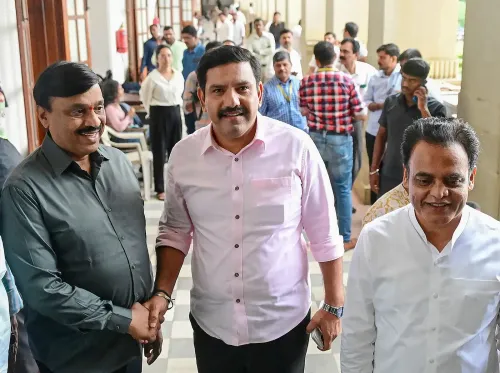
A cancer patient paying Rs 26,072 for a single injection of Fulvestrant will, from 9 November 2026, pay just Rs 5,491 — a cut of nearly 79 percent. Union Coal and Mines Minister and BJP Telangana president G. Kishan Reddy announced on 2 November 2026 that the central government has sharply reduced prices across 543 brands of cancer medicines, delivering what he described as major relief to poor and middle-class patients.
What changes on 9 November — and for whom
The notification covers 137 non-scheduled cancer drugs, targeting trade margins rather than just manufacturer prices. Rationalising trade margins — the markups added by stockists and retailers between factory gate and patient — is a precise tool: it leaves manufacturing economics largely untouched while directly cutting what a patient pays at the counter.
Fulvestrant, an injectable hormone-therapy drug used primarily in advanced breast cancer, is the headline example: its price crashes from Rs 26,072 to Rs 5,491. For families already stretched by long oncology treatment courses, that single line item can mean the difference between continuing and abandoning therapy.
The NPPA's long campaign on oncology pricing
The National Pharmaceutical Pricing Authority (NPPA), the statutory body empowered under the Drugs (Prices Control) Order, 2013, has been the engine behind repeated rounds of cancer-drug price intervention. Earlier notifications in 2018 and 2019 had already placed ceiling prices and margin caps on dozens of anti-cancer medicines — this latest round extends that arc to a significantly larger basket of 543 brands.
Non-scheduled drugs sit outside the NPPA's direct price-ceiling powers, but the DPCO framework allows margin rationalisation as a parallel lever. It is a mechanism successive governments have deployed precisely because oncology drugs — often patented, often imported — resist blunt price caps without disrupting supply.
Why out-of-pocket costs define India's cancer burden
India's cancer burden is enormous and growing. Out-of-pocket expenditure on medicines remains the single largest driver of catastrophic health spending for Indian households, and oncology drugs — expensive, recurring, rarely substitutable — sit at the worst end of that problem. By targeting 137 non-scheduled brands where trade margins had remained unregulated, the government is addressing a gap that ceiling prices alone could not close.
Compliance monitoring by the NPPA once the 9 November effective date passes will be the real test — whether revised maximum retail prices actually reach chemist counters and hospital pharmacies across every state.
For millions of families counting every rupee through a treatment cycle, the numbers land on 9 November. Watch whether they hold.
Point of View
Suggesting a deliberate regulatory escalation rather than a one-off announcement. The real policy test is whether enforcement infrastructure at state drug control offices can ensure the new maximum retail prices are actually printed and honoured at every chemist counter.
NationPress
2 Nov 2026
Frequently Asked Questions
Which cancer drugs have had their prices reduced by the government in 2026?
543 brands of cancer medicines have been covered in the latest price revision, including Fulvestrant injections, effective 9 November 2026 . The move specifically rationalises trade margins on 137 non-scheduled cancer drugs .
What is the new price of Fulvestrant injection in India?
From 9 November 2026 , Fulvestrant injections will be available for Rs 5,491 , down from the earlier price of Rs 26,072 — a reduction of nearly 79 percent .
What is trade margin rationalisation in drug pricing?
Trade margin rationalisation caps the markup that stockists and retailers can add to the manufacturer's price before selling to patients. It is used for non-scheduled drugs that fall outside direct NPPA price ceilings, and directly reduces the final price paid at a pharmacy.
Which government body controls cancer drug prices in India?
The National Pharmaceutical Pricing Authority (NPPA) , operating under the Drugs (Prices Control) Order, 2013 , is the statutory body empowered to fix, revise, and enforce drug prices and trade margins in India.
When will the new cancer drug prices come into effect?
The revised prices on 543 cancer drug brands are set to come into effect from 9 November 2026 , as announced by Union Minister G. Kishan Reddy .