Centre caps cancer drug trade margins at 30% after Karnataka report

Synopsis
Medicines costing ₹86 were being sold for ₹4,528 — mark-ups of up to 52 times cost. After Karnataka's investigation and Health Minister U.T. Khader's letter to Union Health Minister J.P. Nadda, the Centre has now capped cancer drug trade margins at 30 per cent. It is a rare case of a state government report directly triggering a national pharmaceutical pricing reform.
Key Takeaways
The Centre has capped trade margins on cancer medicines at a maximum of 30 per cent of their price.
The move followed a Karnataka Health Department investigation and a letter from state Health Minister U.T.
Khader to Union Health Minister J.P.
Khader had cited cases where drugs costing ₹86 were sold for ₹4,528 , and medicines were marked up 10 to 52 times their cost.
Both the Kerala High Court and the Supreme Court had flagged concerns over excessive cancer drug pricing.
Khader has also pushed for expanded regulatory powers for the National Pharmaceutical Pricing Authority (NPPA) beyond its current mandate.
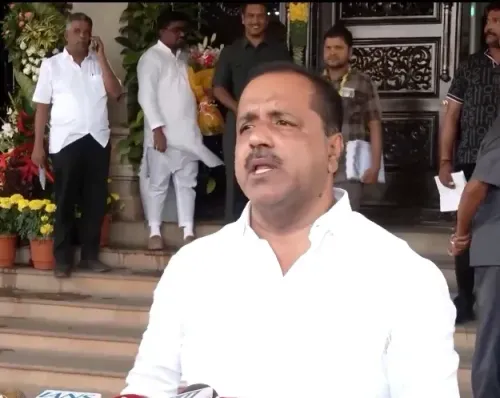
The Union government has capped trade margins on cancer medicines at a maximum of 30 per cent of their price, acting on a report submitted by the Karnataka Health Department and sustained advocacy by state Health Minister U.T. Khader, according to a statement issued by the department on Friday, 9 October 2026. The move marks a significant policy intervention in the affordability of cancer treatment in India.
What Triggered the Decision
Khader had, approximately a month ago, flagged alarming disparities between production costs and retail prices of cancer medicines in Karnataka. He cited specific cases where medicines costing ₹86 were being sold for ₹4,528, drugs costing ₹160 were priced at ₹7,110, and medicines costing ₹118 were retailing at ₹4,416. He alleged that cancer medicines and medical devices were being sold at prices 10 to 52 times their costs.
Following the Karnataka government's investigation, Khader formally wrote to Union Health Minister J.P. Nadda, urging the Centre to impose stringent measures against excessive pricing and to mandate transparency in the disclosure of landing and selling costs in hospitals.
Key Details of the Policy Change
The Centre's decision restricts trade margins on cancer medicines to a maximum of 30 per cent of cost. The Karnataka Health Department's statement credits both the state's investigation report and Khader's persistent engagement with the Union government as the driving forces behind this cap. The move is being projected by the Karnataka government as a significant policy outcome in its campaign to curb excessive pharmaceutical mark-ups.
Judicial Pressure and Broader Context
The decision comes amid growing institutional pressure on drug pricing. The Kerala High Court had recently expressed serious concern over the excessive pricing of patented cancer drugs, while the Supreme Court had also questioned the Centre over rising medicine prices, according to the department's statement. This comes amid wider public anxiety over the affordability of cancer care, particularly for patented medicines that fall outside routine price-control frameworks.
Khader had also advocated granting wider regulatory powers to the National Pharmaceutical Pricing Authority (NPPA), which currently holds authority only over specified medicines. He argued that expanded NPPA oversight was essential to prevent excessive pricing across the cancer drug category and ensure patient access to affordable treatment.
What Happens Next
The Karnataka government's intervention has sharpened national focus on pharmaceutical pricing transparency and the adequacy of existing regulatory mechanisms. Industry observers and patient advocacy groups will be watching whether the 30 per cent cap is enforced through the NPPA's existing powers or requires fresh legislative backing. The NPPA's expanded role, if formalised, could set a precedent for price oversight beyond the current list of specified essential medicines.
Point of View
But it addresses distribution mark-ups, not the upstream pricing power of pharmaceutical companies — particularly for patented cancer drugs that lie outside the NPPA's current jurisdiction. Karnataka's investigation revealed mark-ups of up to 52 times cost; capping margins at 30 per cent does not touch the manufacturer's ex-factory price, which is where much of the unregulated premium sits. The real test of this policy is whether the NPPA's mandate is expanded, as Khader has demanded, and whether enforcement mechanisms are robust enough to prevent creative reclassification of costs. Without those additions, patients may see some relief at the pharmacy counter, but the structural unaffordability of patented cancer therapy remains unresolved.
NationPress
9 Oct 2026
Frequently Asked Questions
What has the Centre decided regarding cancer drug prices?
The Centre has capped trade margins on cancer medicines at a maximum of 30 per cent of their price. This decision followed a Karnataka Health Department report and advocacy by state Health Minister U.T. Khader, who had written to Union Health Minister J.P. Nadda seeking urgent intervention.
What excessive pricing did Karnataka's report uncover?
Karnataka's investigation found that medicines costing ₹86 were being sold for ₹4,528, drugs costing ₹160 were priced at ₹7,110, and medicines costing ₹118 were retailing at ₹4,416. The report alleged that cancer medicines and medical devices were being sold at 10 to 52 times their actual cost.
What is the NPPA and why is its role important here?
The National Pharmaceutical Pricing Authority (NPPA) is the body empowered to regulate prices of specified medicines in India. Health Minister Khader has called for the NPPA to be granted wider powers so it can oversee cancer drug pricing more comprehensively, beyond its current limited mandate.
Which courts have raised concerns about cancer drug pricing?
Both the Kerala High Court and the Supreme Court of India have recently flagged concerns over excessive pricing of patented cancer drugs. The Supreme Court had specifically questioned the Centre over rising medicine prices.
Who is U.T. Khader and what role did he play?
U.T. Khader is the Karnataka state Health Minister. He spearheaded the state's investigation into excessive cancer drug mark-ups, wrote to Union Health Minister J.P. Nadda demanding action, and advocated for expanded NPPA powers — efforts the Karnataka government credits with prompting the Centre's 30 per cent margin cap.