SC flags 'overreaching' Metro ban, asks Delhi to designate protest sites with amenities
Synopsis
The Supreme Court called Delhi's blanket Metro ban across 57 stations 'overreaching' and pushed back on protest-linked transport shutdowns — while simultaneously asking the government to finally build designated protest zones with real infrastructure. Both moves, in a single hearing, reframe how the capital handles the right to dissent.
Key Takeaways
The Supreme Court on 9 October 2026 asked authorities to identify and designate alternative sites with basic amenities for peaceful protests in New Delhi .
A CJI Surya Kant -led Bench flagged Metro restrictions at 57 stations from 9 pm on 9 October as potentially 'overreaching.' Solicitor General Tushar Mehta agreed to urge authorities to allow regulated — not prohibited — Metro and railway operations.
The court ordered DMRC , railway authorities, and Delhi Police (Traffic) to file a compliance report within four days .
A traffic advisory must be published in newspapers and online platforms to minimise commuter disruption.
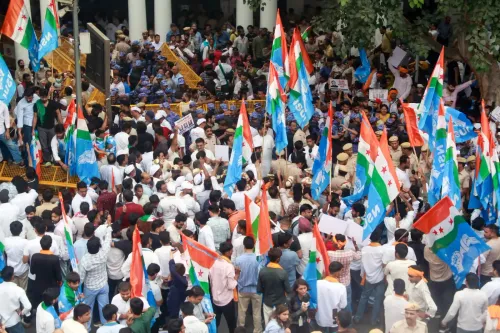
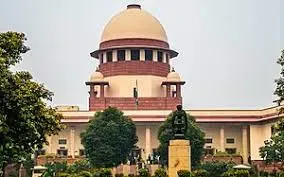
The Supreme Court on Friday, 9 October 2026, directed competent authorities to identify and designate suitable alternative sites equipped with basic amenities for holding peaceful and lawful protests in New Delhi, observing that it was 'high time' such infrastructure was made available to demonstrators. The direction came as the apex court also flagged Metro and railway service restrictions imposed ahead of a proposed protest at Jantar Mantar as potentially 'overreaching.'
What the Supreme Court Directed
A Bench comprising Chief Justice of India (CJI) Surya Kant and Justices Joymalya Bagchi and V. Mohana noted that senior counsel and counsel for all parties were in agreement that designated protest zones with proper infrastructure were long overdue. The court's order stated: 'Suitable alternative sites capable of housing such infrastructure need to be identified and designated. Let the Competent Authority consider this suggestion and take an appropriate decision thereon.'
The Bench stopped short of issuing a binding mandate, framing the direction as a suggestion to be acted upon by the competent authority — but the unanimity among parties on record lent the observation considerable weight.
Metro and Railway Restrictions Under Scrutiny
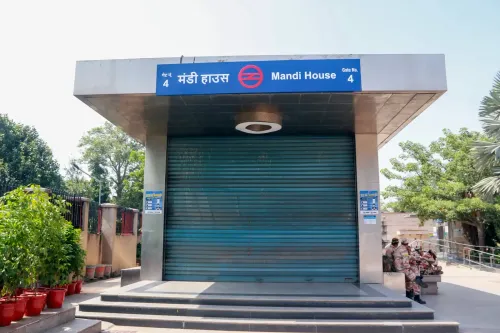
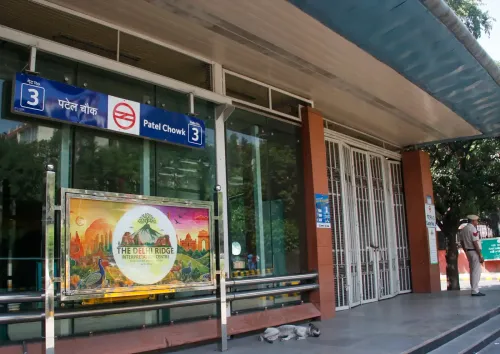
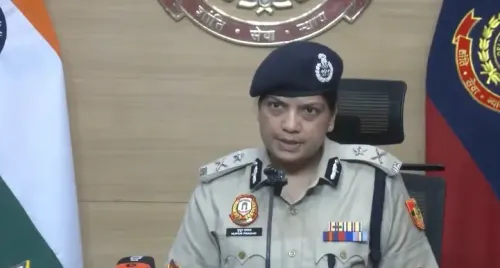
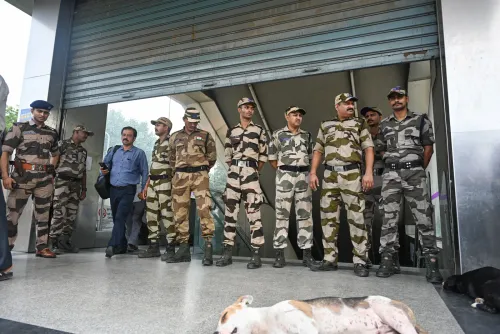
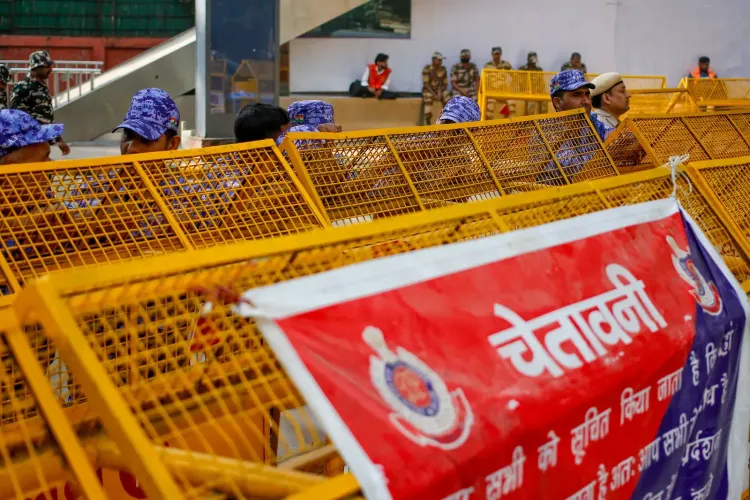
The court recorded that Delhi Police had issued communications to the Delhi Metro Rail Corporation (DMRC) and zonal railways directing the cessation or cancellation of certain train services, citing the risk of unruly mob movement toward sensitive locations. The restrictions included a reduction in Metro frequency through 57 stations and the closure of their entry and exit gates from 9 pm on 9 October, continuing through 10 October until the situation normalised.
The apex court drew a sharp distinction between regulating public transport and outright prohibiting it, observing that the notifications appeared to be 'overreaching' by imposing a complete ban on an essential public service. Notably, this is not the first time courts have pushed back on blanket transport suspensions tied to protest situations — similar concerns were raised during earlier agitations in the capital.
Solicitor General's Assurance
Solicitor General Tushar Mehta agreed to impress upon the authorities to reassess the prohibitions and allow Metro trains and other railway services to operate in a suitably regulated manner, ensuring that residents and the general public were not inconvenienced. The court clarified that any regulation must conform to the principle of proportionality — curtailment must match the actual threat, not exceed it.
Compliance Deadlines and Public Advisories
The Supreme Court directed DMRC, the concerned railway authorities, and Delhi Police (Traffic) to file a compliance report within four days. It also ordered that any decision on regulated Metro and railway operations receive wide publicity. Additionally, the court directed that a traffic advisory be published in newspapers and on online platforms to ensure smooth vehicular movement and prevent unnecessary hardship to city commuters.
With a compliance report due within four days and authorities now tasked with revisiting both transport restrictions and long-term protest infrastructure, the matter is set to return to the apex court for further review.
Point of View
Yet the practical apparatus to exercise it safely barely exists. Blanket Metro suspensions have become a default crowd-control tool in Delhi, and today's 'overreaching' observation is the clearest judicial signal yet that proportionality must govern those decisions. The harder question is whether a nudge to 'competent authority' will produce designated protest zones — or whether, without a binding timeline, it quietly joins a list of well-intentioned suggestions that authorities park and forget.
NationPress
9 Oct 2026
Frequently Asked Questions
What did the Supreme Court say about peaceful protest sites in Delhi?
The Supreme Court on 9 October 2026 asked the competent authority to identify and designate suitable alternative sites with basic amenities and infrastructure for holding peaceful and lawful protests in New Delhi. The direction followed agreement among all parties that such facilities were long overdue.
Why did the Supreme Court criticise the Delhi Metro restrictions?
The court found that communications from Delhi Police to DMRC and zonal railways, which reduced Metro frequency across 57 stations and shut entry and exit gates from 9 pm on 9 October, amounted to an outright ban on essential public transport rather than a proportionate regulation. The Bench described the notifications as potentially 'overreaching.'
What assurance did Solicitor General Tushar Mehta give?
Solicitor General Tushar Mehta agreed to impress upon the authorities to reassess the prohibitions and permit Metro trains and other railway services to operate in a regulated manner, ensuring residents and the general public faced no undue inconvenience.
What is the compliance deadline set by the Supreme Court?
The Supreme Court directed DMRC, the concerned railway authorities, and Delhi Police (Traffic) to file a compliance report within four days of the order dated 9 October 2026.
How does this ruling affect ordinary commuters in Delhi?
The court ordered that any decision on regulated Metro and railway operations be given wide publicity, and directed that a traffic advisory be published in newspapers and on online platforms so that commuters could plan their travel and avoid unnecessary hardship during the protest period.