Karnataka to frame new rules on online medicine sales, pricing
Synopsis
Karnataka's FDA raided e-commerce warehouses and seized ₹4.2 lakh worth of unlicensed medicines — and now Health Minister U.T. Khader is calling an emergency meeting to draft new rules on online drug sales and storage. With hospitals reportedly charging double what pharmacies do, and APL families being pushed into poverty by medicine bills, Karnataka is moving to close regulatory gaps that federal price controls have left wide open.
Key Takeaways
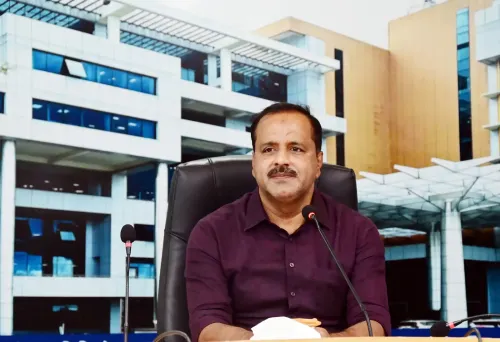
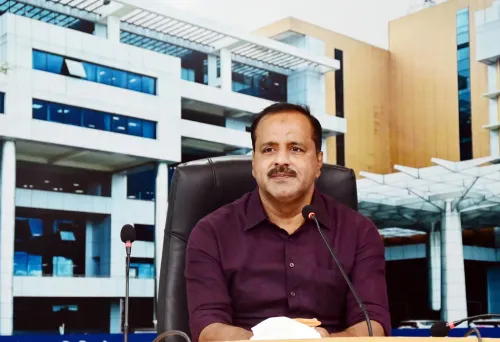
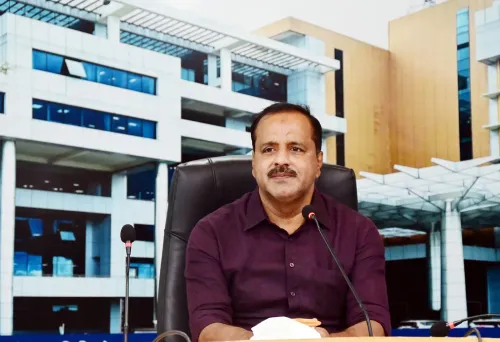
Karnataka Health Minister U.T.
Khader convened a Tuesday meeting with Drugs Control Department officials to draft new guidelines on online medicine sales and storage.
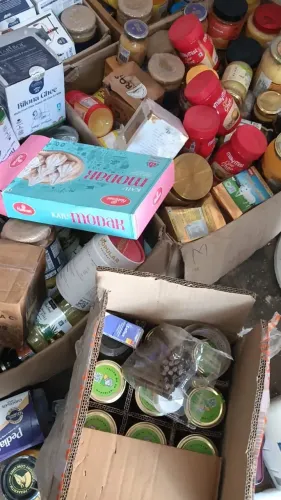
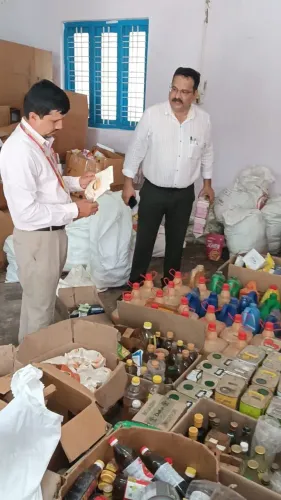
FDA raids on Sunday at e-commerce-linked warehouses in Bengaluru yielded seizures of medicines worth ₹4.2 lakh — ₹2.45 lakh from Tattanahalli, Anekal taluk and ₹1.57 lakh from the Devanahalli Aerospace area.
Both raided facilities were storing medicines without the required licence.
Minister Khader flagged that hospitals are charging significantly more for medicines than retail pharmacies, with mandatory MRP labels often absent.
Price control of medicines remains under the Centre's jurisdiction; Khader called for more proactive federal action.
The state government has introduced barcodes to improve complaint filing and tracking in the pharmaceutical sector.
Karnataka Health and Family Welfare Minister U.T. Khader on Monday announced that the state government is pursuing a two-pronged strategy to tighten inspections and enforcement across the food and pharmaceutical sectors, responding to a surge in complaints about expired medicines, mislabelling, and inflated drug prices. The announcement came days after Food and Drug Administration (FDA) officials raided warehouses linked to a major e-commerce company in Bengaluru, seizing medicines worth approximately ₹4.2 lakh from two unlicensed storage facilities.
Key Developments
Speaking to reporters in Bengaluru, Minister Khader confirmed that he has convened a meeting with Drugs Control Department officials for Tuesday to deliberate on why pharmaceutical outlets are resorting to malpractices and how such conduct can be curbed. The meeting will also examine the possibility of introducing dedicated guidelines governing the online sale and storage of medicines — an area the government says has grown increasingly difficult to regulate.
'I have called a meeting with officials on Tuesday to discuss why medicinal centres dealing with drugs are resorting to such practices and how they can be controlled,' Khader said.
FDA Raids and Seizures
The urgency of Tuesday's meeting is underscored by raids conducted on Sunday at warehouses associated with a major e-commerce company. FDA officials seized medicines worth ₹2.45 lakh from a premises at Tattanahalli in Anekal taluk, and medicines worth ₹1.57 lakh from a facility in the Devanahalli Aerospace area. Khader confirmed that both locations were operating without the necessary storage licences. The combined seizure of ₹4.2 lakh worth of medicines signals the scale of unlicensed pharmaceutical storage now linked to e-commerce supply chains.
Pricing Disparities and Consumer Impact
Beyond storage violations, Khader drew attention to a widening gap in medicine prices between hospitals and retail pharmacies. He noted that in some instances, hospitals were charging significantly more for the same drugs available at medical shops at nearly half the price, and that mandatory Maximum Retail Price (MRP) labels were not always prominently displayed.
'You go to a hospital, and they charge one rate, while medical shops may provide the same medicine at almost half the price. There is confusion among people in this regard, and we need to address it,' he said.
The minister warned that unchecked pricing practices were pushing economically vulnerable patients deeper into financial distress. 'Many people who are in the Above Poverty Line (APL) category are being pushed into the Below Poverty Line (BPL) category after spending heavily on hospital treatment. They do not know what the margin is — whether it is 50 per cent or 500 per cent,' Khader said.
Centre's Role and State's Limitations
Khader acknowledged that price control of medicines falls primarily under the jurisdiction of the Union government, and called for a more proactive stance from the Centre. He indicated that while Karnataka can strengthen local inspections and enforcement, systemic price regulation requires federal action. The state government has, however, introduced barcodes to streamline the filing and tracking of complaints related to medicines — a step aimed at improving accountability at the ground level.
What Happens Next
Tuesday's meeting is expected to produce a framework covering stronger inspection protocols, regulation of online medicine sales, licensing compliance for storage facilities, and greater transparency in drug pricing and distribution. Khader stressed that while action has been taken against those caught violating norms, many establishments continue to operate undetected. The outcome of the meeting is likely to shape Karnataka's regulatory posture on pharmaceutical e-commerce — a domain that has outpaced existing oversight structures across India.
Point of View
But licensing frameworks have not kept pace. The seizure of ₹4.2 lakh in medicines from two warehouses linked to a single e-commerce company is almost certainly the tip of the iceberg. More telling is Khader's admission that price control sits with the Centre — a jurisdictional gap that allows inflated hospital pricing to persist while state governments can only watch. The barcode initiative is a useful tool, but without federal action on MRP enforcement and online pharmacy licensing, Karnataka's Tuesday meeting risks producing guidelines that apply only to those already willing to comply.
NationPress
24 Oct 2026
Frequently Asked Questions
Why is Karnataka holding a meeting on medicine sales guidelines?
Karnataka Health Minister U.T. Khader called the Tuesday meeting following complaints about expired medicines, mislabelling, and inflated prices, as well as FDA raids that uncovered ₹4.2 lakh worth of medicines stored without licences at e-commerce-linked warehouses. The meeting aims to frame new guidelines for online medicine sales and strengthen pharmaceutical enforcement.
What did the FDA seize during the Bengaluru warehouse raids?
The Food and Drug Administration seized medicines worth approximately ₹4.2 lakh during Sunday raids on two warehouses linked to a major e-commerce company. Medicines worth ₹2.45 lakh were seized from Tattanahalli in Anekal taluk, and medicines worth ₹1.57 lakh from the Devanahalli Aerospace area — both stored without the required licence.
Who controls medicine pricing in India — the state or the Centre?
Medicine price control is primarily under the jurisdiction of the Union government, not state governments. Karnataka Health Minister Khader acknowledged this limitation and called for a more proactive approach from the Centre to address inflated drug prices.
How does hospital medicine pricing compare to pharmacy pricing in Karnataka?
According to Minister Khader, hospitals in Karnataka are in some cases charging significantly more for medicines than retail pharmacies, where the same drug may be available at nearly half the price. He also noted that mandatory MRP labels are not always properly displayed, adding to consumer confusion.
What steps has Karnataka already taken to address medicine complaints?
Karnataka has introduced barcodes to facilitate the filing and tracking of medicine-related complaints. The Drugs Control Department has also imposed fines on establishments found violating regulations based on public complaints, and the FDA has conducted raids on unlicensed storage facilities.