Bengaluru food raid: ₹1.4 crore in expired, mislabelled goods seized from Amazon, Instamart units
Synopsis
Karnataka's food safety authorities walked into some of Bengaluru's biggest e-commerce warehouses — Amazon and Instamart among them — and walked out with over ₹1.4 crore in expired and mislabelled goods. The crackdown exposes a regulatory blind spot in quick-commerce supply chains, where speed of delivery has apparently outpaced quality checks.
Key Takeaways
The Karnataka Food Safety and Drugs Administration seized expired and mislabelled products worth over ₹1.4 crore in a special drive across Bengaluru on 8 September .
Two Amazon warehouses — BLR6 at Devanahalli and BLR7 at Madivala/Anekal — yielded combined food seizures of ₹56 lakh and unlicensed medicines worth over ₹4 lakh .
The Instamart facility in Hoskote was shut down after expired goods worth ₹42 lakh were seized; a further ₹1 crore in detected products is under investigation.
Leo 7 Enterprises in Lingarajapuram had food products worth ₹56 lakh seized and its premises sealed.
Confirmed total: food products worth ₹98.10 lakh seized; medicines worth ₹4.02 lakh seized.
Investigations are continuing and further legal action against all establishments is pending.
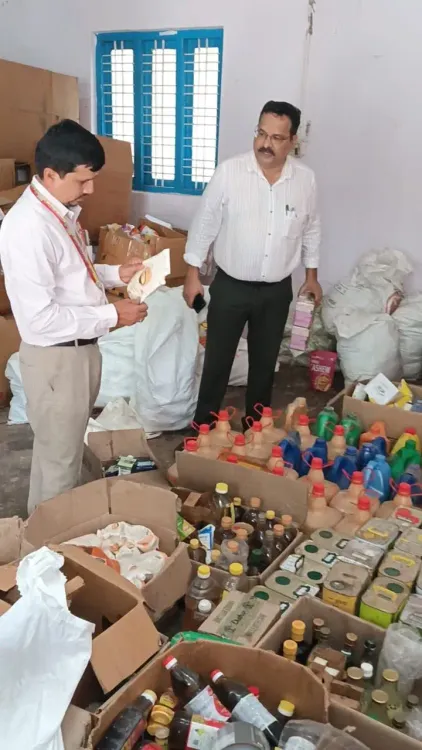
The Karnataka Food Safety and Drugs Administration has seized expired and mislabelled food products and medicines worth more than ₹1.4 crore following a special enforcement drive targeting food storage and supply units across Bengaluru, according to an official statement released on Tuesday, 8 September. The crackdown covered major e-commerce warehouses, a retail outlet, and a wholesale enterprise — flagging systemic lapses in labelling, storage licensing, and product shelf-life compliance.
Scale and Scope of the Drive
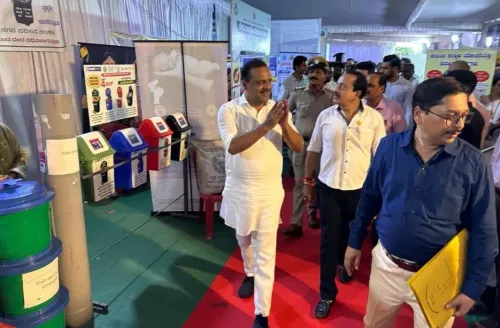
The inspections were carried out under the guidance of Health and Family Welfare Minister U.T. Khader by designated officers and Food Safety Officers operating under the Food Safety and Standards Act, 2006, the Food Safety and Standards Rules, 2011, and the Drugs and Cosmetics Act, 1940. Authorities examined mandatory labelling requirements, manufacturing and expiry dates, shelf-life compliance, and standards applicable to products sold through online and e-commerce platforms. Unlicensed storage of medicines was also scrutinised.
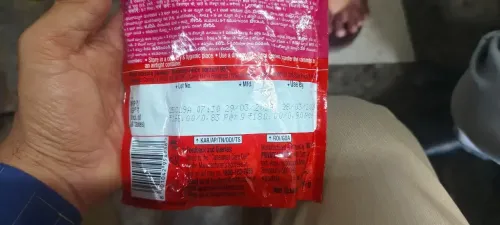
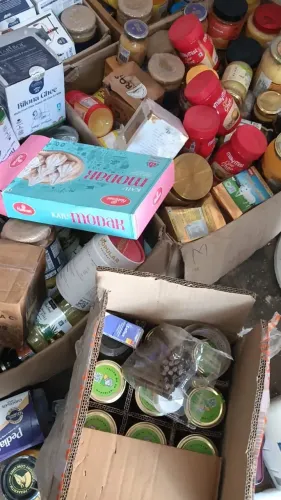
According to the department's confirmed summary, food products worth ₹33 lakh with incorrect or inadequate labelling and expired food products worth ₹65.10 lakh were confirmed as seized, bringing the total confirmed value of seized food products to ₹98.10 lakh. Medicines worth ₹4.02 lakh were additionally seized. A further ₹1 crore worth of expired and mislabelled products detected at the Hoskote facility are not included in this confirmed total, as investigation there remains ongoing.
Amazon Warehouses Under the Scanner
At an Amazon facility identified as BLR6, located at Hitech Defence and Aerospace Park, Devanahalli, food products worth ₹14 lakh were seized for allegedly carrying incorrect or inadequate labelling. Expired food products worth a further ₹10 lakh were also found, taking the total seizure from this unit to ₹24 lakh. Additionally, medicines worth ₹2,45,352 stored without the required licence were confiscated.
A second Amazon facility — BLR7RKV Developers in Madivala and Thattanahalli village, Anekal taluk — yielded food products worth ₹19 lakh flagged for labelling violations and expired goods worth ₹13 lakh, totalling ₹32 lakh in seized food products. Medicines worth ₹1.57 lakh stored without a licence were also seized from this location.
Retail Outlet, Wholesale Unit, and Instamart Facility
Acting on a public complaint, officials inspected Saptha Bazaar on 6th Main Road, HBR Layout, where the business was allegedly purchasing groceries, milk, vegetables, curd, and other food items from e-commerce and online delivery agencies and reselling expired products to consumers. Expired items — including cashew biscuits, ragi flour, chicken patties, paneer, cookies, nuts, eggs, and flour — were found on the premises. Products valued at approximately ₹10,000 were seized.
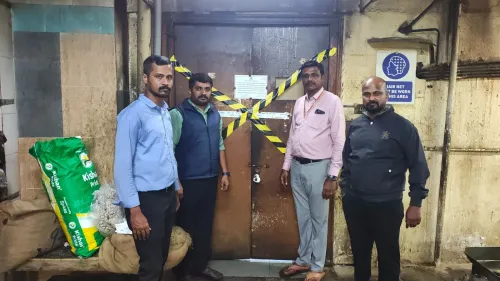
At Leo 7 Enterprises in Lingarajapuram, officials discovered a range of expired or near-expiry products — reportedly including nutritional products, beverages, chocolates, sweets, ghee, and nuts and seeds — stored on the premises. Food products valued at approximately ₹56 lakh were seized and the premises were sealed.
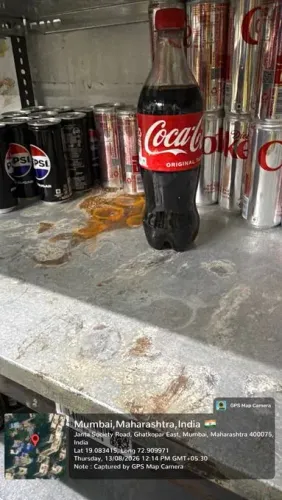
The Instamart facility in Hoskote, Bengaluru Rural district, saw the largest single-location seizure in confirmed terms: expired food products worth ₹42 lakh were confiscated. Officials cited unhygienic conditions and violations of the Food Safety and Standards Act, and the facility was closed down. Further investigation is under way, with an additional ₹1 crore in detected products pending confirmation.
What Authorities Said and What Comes Next
The Food Safety and Drugs Administration stated that investigations into the violations are continuing and that further action will be taken against the concerned establishments in accordance with the law. The drive notably targeted not just physical retail but also the back-end infrastructure of e-commerce delivery — a segment that has faced growing regulatory scrutiny over product traceability and last-mile quality control. This is among the largest single enforcement actions the Karnataka department has conducted against e-commerce warehousing in recent memory, and its outcome is likely to inform how the state frames future compliance norms for online grocery and quick-commerce platforms.
Point of View
Which makes the volume of expired stock found harder to explain away as oversight. Karnataka's action also highlights a regulatory gap: the Drugs and Cosmetics Act requires a licence for medicine storage, yet both Amazon facilities were found holding medicines without one. As quick-commerce expands into tier-2 cities with even thinner oversight, this Bengaluru crackdown should be read as a stress test — one that the industry appears to have failed.
NationPress
24 Oct 2026
Frequently Asked Questions
What was seized in the Bengaluru food safety raid?
The Karnataka Food Safety and Drugs Administration seized expired and mislabelled food products and medicines worth over ₹1.4 crore across multiple storage and retail units in Bengaluru on 8 September. Confirmed food seizures totalled ₹98.10 lakh, with medicines worth ₹4.02 lakh also confiscated.
Which companies were targeted in the Bengaluru food safety crackdown?
Two Amazon warehouse facilities — BLR6 at Hitech Defence and Aerospace Park, Devanahalli, and BLR7 at Madivala and Thattanahalli village — were inspected and had goods seized. The Instamart facility in Hoskote was also raided and subsequently shut down. Leo 7 Enterprises in Lingarajapuram had its premises sealed.
Why was the Instamart facility in Hoskote closed?
The Instamart facility in Hoskote, Bengaluru Rural district, was closed down after officials found expired food products worth ₹42 lakh and cited unhygienic conditions along with violations of the Food Safety and Standards Act. Further investigation is ongoing, with an additional ₹1 crore in detected products yet to be confirmed.
What laws govern the enforcement action taken by Karnataka authorities?
The inspections were conducted under the Food Safety and Standards Act, 2006, the Food Safety and Standards Rules, 2011, and the Drugs and Cosmetics Act, 1940. These laws cover mandatory labelling, expiry date compliance, storage licensing for medicines, and general food safety standards.
What happens next following the Bengaluru food safety seizures?
The Food Safety and Drugs Administration has stated that investigations are continuing and further legal action will be taken against all concerned establishments in accordance with the law. The Hoskote facility remains under active investigation, with approximately ₹1 crore in additional products under scrutiny.