Expired food, mislabelling found at Bengaluru restaurant on Race Course Road
Synopsis
A complaint-driven inspection at South Ruchi restaurant on Bengaluru's Race Course Road uncovered expired products and mislabelled goods totalling over 170 kg. The find underscores persistent enforcement gaps in Karnataka's food safety regime — gaps that Minister U.T. Khader now wants addressed with criminal law and consumer-facing QR verification.
Key Takeaways
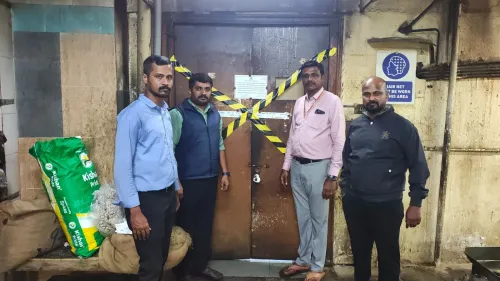
Karnataka Food Safety Department inspected South Ruchi restaurant on Race Course Road, Bengaluru on Wednesday and reportedly directed it to close.
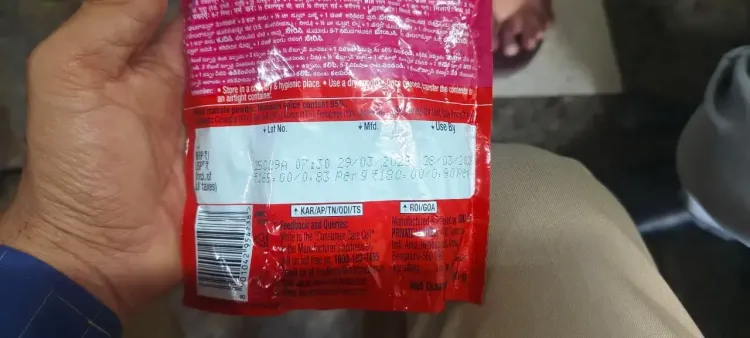
Expired items found included 1 kg coconut powder , 1 kg sambar powder , 800 g chutney powder , 200 g rasam powder , and one packet of mushrooms .
Mislabelling violations covered 121 kg bucket jaggery , 45 kg millets , 5 kg jaggery powder , and 2 kg ajwain seeds .
Khader announced QR-code and barcode-based product verification for consumers.
The government is reportedly discussing criminal law provisions against repeat offenders with the Law Department.
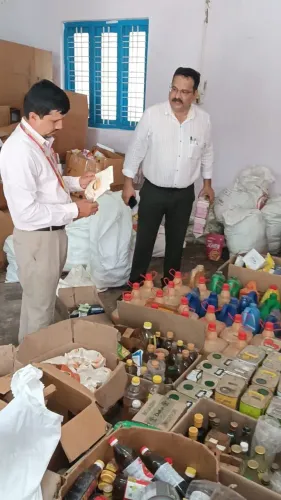
Officials from the Karnataka Food Safety Department on Wednesday, 9 September discovered expired food products and multiple instances of mislabelling at South Ruchi restaurant on Race Course Road in Bengaluru, acting on a complaint as part of an intensified crackdown on unsafe food storage and sale. The establishment was reportedly directed to shut down following the inspection.
What inspectors found
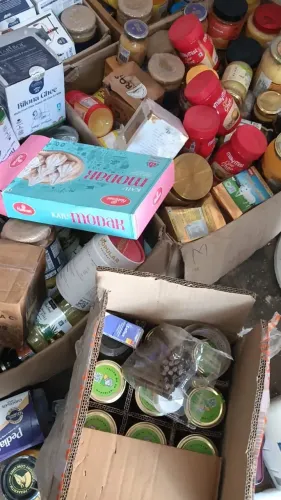
During the inspection, officials recovered several expired items stored on the premises, including 1 kg of coconut powder, 1 kg of sambar powder, 800 grams of South Ruchi chutney powder, 200 grams of rasam powder, and one packet of mushrooms. All products had crossed their listed expiry dates.
Separately, inspectors flagged mislabelling violations involving 5 kg of jaggery powder, 45 kg of millets, 2 kg of ajwain seeds, and 121 kg of bucket jaggery. Mislabelling — where packaging information does not accurately reflect contents, weight, or manufacture date — is a violation under India's food safety regulations and can mislead consumers about product freshness and composition.
Action initiated by authorities
Food Department officials took note of the violations and initiated regulatory action against the establishment. Further details regarding penalties or prosecutions under the Food Safety and Standards Act are awaited. This is part of a broader drive across Karnataka to curb the sale and storage of expired and improperly labelled food products through both online and offline channels.
Minister U.T. Khader's push for stronger enforcement
Health and Family Welfare Minister U.T. Khader had earlier announced that the department had introduced QR codes and barcodes to help consumers independently verify products at the point of purchase. He urged social activists to spread awareness about the system in public places.
'I appeal to social activists to take the QR codes and barcodes to the public and create awareness. They should come forward and help strengthen the system,' he said.
Khader emphasised that continuous inspections and active public participation were essential to prevent expired and mislabelled food and medicines from reaching consumers. He added that the government was considering stronger legal measures against those who deliberately endanger public health by selling unsafe products.
'Anyone who cheats people in matters concerning their health and puts their health at risk should be dealt with under criminal law. There is a provision in this regard, and we are discussing the matter with the Law Department. We also want the Central government to look into this issue,' he said.
Why this matters
The Bengaluru crackdown comes amid a nationwide rise in consumer complaints about expired products reaching supermarket shelves and restaurant kitchens. Notably, repeated warnings and penalties have not been sufficient to deter some offenders from repeating such practices, according to Khader. The introduction of QR-based verification marks a technology-driven attempt to shift some enforcement power directly to consumers — though its effectiveness will depend on adoption and awareness.
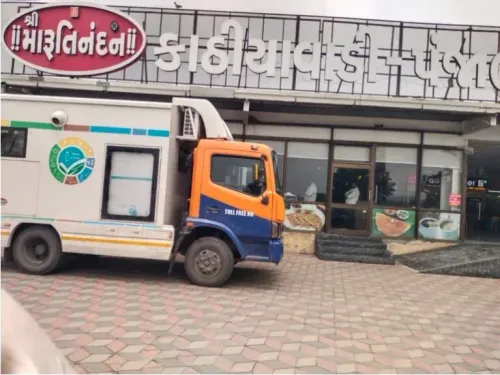
Further inspection drives by the Food Safety and Drug Safety departments across Karnataka are expected in the coming weeks as authorities seek to tighten compliance ahead of the festive season.
Point of View
But they work only if producers cooperate and consumers know to scan. The real deterrent lies in the criminal-law upgrade Khader is pushing — repeat offenders have shown that fines alone do not change behaviour. Whether the Centre takes up the legislative baton will determine if this moment becomes a turning point or another announcement without follow-through.
NationPress
13 Sept 2026
Frequently Asked Questions
What was found during the Bengaluru restaurant inspection?
Officials found expired food products — including coconut powder, sambar powder, chutney powder, rasam powder, and mushrooms — as well as mislabelled items such as jaggery, millets, and ajwain seeds at South Ruchi restaurant on Race Course Road.
Which restaurant was inspected and what action was taken?
South Ruchi restaurant on Race Course Road, Bengaluru was inspected. It was reportedly directed to close down, and regulatory action under food safety laws has been initiated. Further details on penalties are awaited.
What is the QR code system announced by Minister U.T. Khader?
The Karnataka Food Safety Department has introduced QR codes and barcodes on food products to allow consumers to verify authenticity and expiry details at the point of purchase. Minister U.T. Khader has urged social activists to spread awareness about the system.
What stronger legal measures is the Karnataka government considering?
The government is discussing criminal law provisions against those who deliberately sell expired or unsafe products, in consultation with the Law Department. It has also urged the Centre to examine the issue at the national level.
Why are inspections being intensified in Karnataka?
Repeated warnings and penalties have reportedly failed to deter some offenders. The intensified crackdown aims to prevent expired and mislabelled food and medicines from reaching consumers through both online and offline channels.