Swiggy Instamart warehouse raided in Bengaluru amid ₹3 crore expired goods crackdown
Synopsis
Karnataka's health enforcement drive took a sharp turn when a Swiggy Instamart warehouse in Bengaluru was raided — part of a statewide sweep that has already netted ₹3 crore in expired and allegedly relabelled goods in a single week. A cancelled 'peptide party' and Amazon dark stores are now at the centre of the investigation, raising serious questions about how expired pharmaceuticals move through India's quick-commerce supply chain.
Key Takeaways
Karnataka Health Department raided a Swiggy Instamart warehouse in Bengaluru on 8 September as part of an expired-goods crackdown.
Expired food and medicines worth approximately ₹3 crore have been seized statewide in the past one week , including allegedly relabelled products.
Raids at Anekal , Lingarajapuram , and Hoskote detected expired products worth around ₹1 crore on Tuesday alone; ₹45 lakh worth found at Lingarajapuram.
A so-called 'peptide party' was cancelled after officials issued notices; organisers reportedly linked product supply to Amazon dark stores .
Khader urged consumers to use government-issued QR codes and barcodes to verify products before purchase.
The state is considering criminal law provisions against offenders and has called on the Centre to intervene.
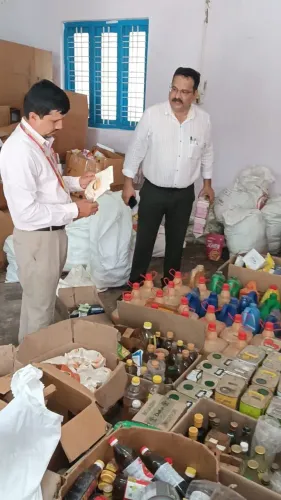
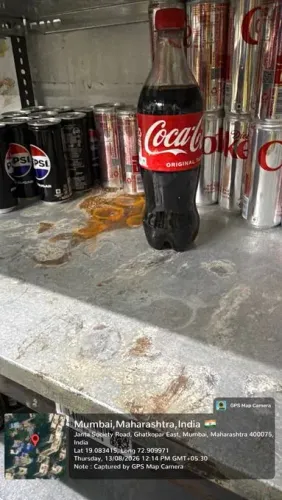
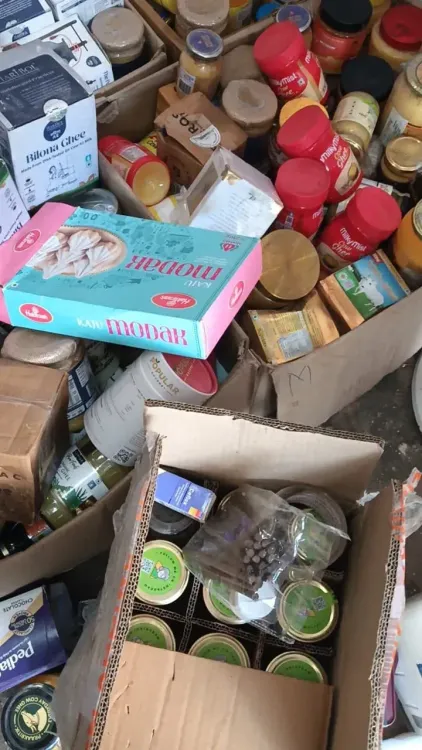
Karnataka Health Department officials on Tuesday, 8 September raided a Swiggy Instamart warehouse in Bengaluru as part of an intensified enforcement drive targeting the storage and sale of expired food products and medicines. Health and Family Welfare Minister U.T. Khader confirmed that goods and medicines worth approximately ₹3 crore had been seized across Karnataka in the preceding week alone, including products allegedly relabelled for resale after their expiry dates had passed.
Scope of the Enforcement Drive
The Swiggy Instamart raid was one of several simultaneous actions carried out by the Food Safety Department and the Drug Safety Department across Bengaluru and its surrounding areas. Three inspection teams conducted raids at Anekal, Lingarajapuram, and other locations on Tuesday. At the Lingarajapuram facility, expired products worth around ₹45 lakh were reportedly found. Officials also traced a significant quantity of products to Hoskote, where inspections were still underway at the time of reporting. Minister Khader said that in total, expired products worth approximately ₹1 crore had been detected so far during Tuesday's operations.
The 'Peptide Party' Trail
The raids were partly triggered by intelligence gathered around a so-called 'peptide party' — a private event that officials learned about through social media. Department officials reportedly attempted to register for the event by posing as customers, but were turned away, as the organisers were selectively vetting participants. Following failed registration attempts, the department issued notices and summoned the organisers for questioning. The organisers subsequently cancelled the event after being warned of legal consequences, though the inquiry continued. According to Minister Khader, the organisers told officials the event was intended to introduce new products in the pharmaceutical and nutraceutical sectors. When questioned about the source of the products, they reportedly indicated that some items were supplied through Amazon dark stores, prompting Food Safety officials to inspect and raid those facilities as well.
What the Minister Said
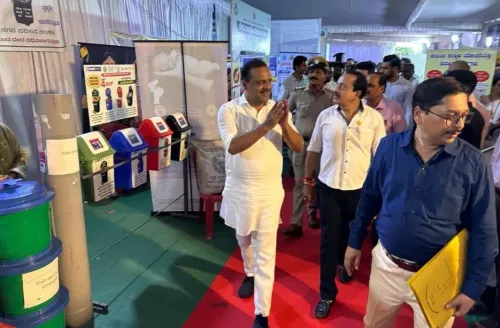
Addressing the media, Minister Khader made a direct appeal to consumers. 'I appeal to people to check the expiry date before purchasing any product. Even if you find a small clue or something suspicious, please report it, because it can lead to uncovering a much larger issue,' he said. He also called on social activists to help disseminate awareness about the government's QR code and barcode verification system, which allows consumers to authenticate products before purchase. 'I appeal to social activists to take the QR codes and barcodes to the public and create awareness. They should come forward and help strengthen the system,' Khader added. He noted that continuous inspections combined with public participation were essential to prevent expired and mislabelled products from reaching consumers through both online and offline channels.
Push for Criminal Action and Central Intervention
Minister Khader indicated that the state government was considering stronger legal measures against those who deliberately endanger public health. 'Anyone who cheats people in matters concerning their health and puts their health at risk should be dealt with under criminal law. There is a provision in this regard, and we are discussing the matter with the Law Department. We also want the Central government to look into this issue,' he said. He acknowledged that repeated warnings and regulatory penalties had proven insufficient to deter repeat offenders, and praised Food Safety Department officials for conducting round-the-clock inspections without exception.
What Happens Next
All seized products have been taken into custody and further investigation is underway. Inspections at Hoskote were still ongoing at the time of reporting. The Food Safety and Drug Safety departments have signalled that extensive inspections will continue, with the government also exploring whether criminal provisions can be invoked against those found guilty of selling expired or unsafe products. The outcome of discussions with the Law Department and any response from the Centre are expected to shape the next phase of the crackdown.
Point of View
Creating gaps that bad actors can exploit to store and potentially relabel expired stock. The fact that Amazon dark stores have also entered the investigation suggests this is not an isolated lapse but a systemic supply-chain problem. Minister Khader's call for criminal-law provisions is significant, but the real test is whether the state can build a continuous inspection mechanism rather than relying on tip-offs and social-media intelligence. Consumers using QR codes is a positive nudge, but it places the compliance burden on the buyer — a weak substitute for upstream accountability.
NationPress
24 Oct 2026
Frequently Asked Questions
Why was the Swiggy Instamart warehouse in Bengaluru raided?
Karnataka's Food Safety and Drug Safety departments raided the Swiggy Instamart warehouse on 8 September as part of a statewide crackdown on the storage and sale of expired food products and medicines. The raid was one of several simultaneous actions across Bengaluru and surrounding areas, including Anekal, Lingarajapuram, and Hoskote.
How much in expired goods has Karnataka seized in this crackdown?
According to Health Minister U.T. Khader, goods and medicines worth approximately ₹3 crore were seized statewide in the week leading up to 8 September, including expired and allegedly relabelled products. Tuesday's raids alone detected expired products worth around ₹1 crore, with ₹45 lakh worth found at a Lingarajapuram facility.
What is the 'peptide party' linked to the Bengaluru raids?
The 'peptide party' was a private event that Karnataka health officials learned about through social media. Officials attempted to register undercover but were selectively barred; they then issued notices and summoned the organisers, who cancelled the event. The organisers reportedly told officials the event was to introduce pharmaceutical and nutraceutical products, some allegedly sourced from Amazon dark stores.
How can consumers verify food and medicine products in Karnataka?
The Karnataka Health Department has introduced a QR code and barcode verification system that allows consumers to authenticate products before purchase. Minister Khader has urged both the public and social activists to use and promote this system, and has called on people to report any suspicious products to authorities.
What legal action is Karnataka considering against offenders?
Minister Khader said the government is discussing criminal law provisions against those who deliberately sell expired or unsafe products, in consultation with the state's Law Department. He also called on the Central government to examine the issue, noting that existing regulatory penalties have failed to deter repeat offenders.