₹5 crore spurious drug racket busted in Karnataka; minister seeks interstate probe
Synopsis
A ₹5 crore counterfeit drug operation allegedly relabelling fake ICU medicines with multinational brand names has been busted in Karnataka's Ramanagara district — with the suspected kingpin reportedly based in Dubai and links stretching to Telangana and Himachal Pradesh. Karnataka's Health Minister is pushing for an SIT and a joint Central-state investigation, raising the stakes far beyond a routine state-level drug bust.
Key Takeaways
Spurious drugs worth over ₹5 crore seized from a farmhouse in Bidadi, Ramanagara district , Karnataka on 19 August .
The fake medicines were allegedly relabelled with names of multinational pharmaceutical companies , including critical ICU drugs.
One accused, Prabhudev , arrested; main accused Prashanth allegedly based in Dubai ; Tejas identified as ground operator.
Suspected links to fake drug manufacturing units in Telangana and Himachal Pradesh .
Health Minister U.T.
Khader has contacted the Union Health Minister and Home Ministry , seeking a joint team and an SIT .
The raided premises was operating without a valid licence ; the Drug Control Department maintains a database of over 12 lakh medicines .
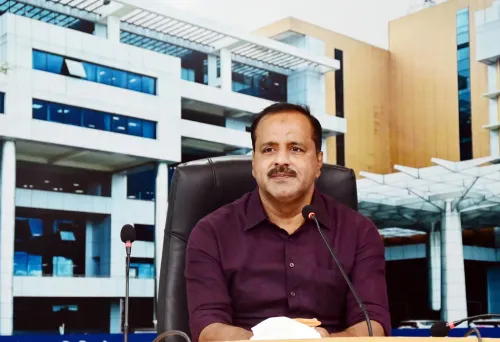
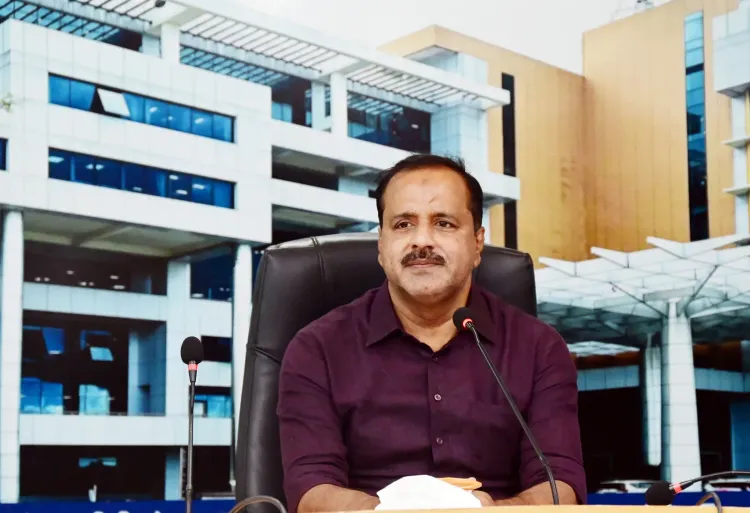
A major racket involving counterfeit drugs allegedly relabelled with the names of multinational pharmaceutical companies has been unearthed in Ramanagara district, Karnataka, with spurious medicines worth over ₹5 crore seized following a raid on 19 August. Karnataka Health Minister U.T. Khader confirmed the bust on Wednesday and called for a coordinated interstate and Central government investigation, citing suspected links to fake drug manufacturing units in Telangana, Himachal Pradesh, and possibly beyond.
How the Racket Was Uncovered
The case came to light after beat police personnel alerted authorities on Tuesday evening. Acting on the tip-off, officials from the Drug Control Department and the Commissionerate of Food Safety and Drug Administration conducted a raid at a farmhouse in Bidadi, where the spurious drugs were allegedly being stored and repacked before distribution to pharmaceutical outlets and hospitals.
The premises was found to be operating without a valid licence. One person, identified as Prabhudev, has been arrested and is currently being questioned to help investigators map the full supply chain. The Ramanagara Superintendent of Police is leading the investigation.
How the Fake Drug Operation Allegedly Worked
According to Minister Khader, the accused allegedly procured medicines at very low prices and relabelled them using the branding of established multinational pharmaceutical companies before supplying them to hospitals and medical shops. The scheme reportedly extended even to critical-care medicines.
'Even tablets used in ICUs are being faked and labelled with multinational companies' names. If an injection costs ₹20,000, they supply it for ₹5,000 to ₹6,000 to hospitals,' Khader said, describing the operation as a serious public health threat.
Authorities are also probing whether the labels and stickers used on the fake medicines were manufactured locally or sourced from elsewhere. 'We suspect that the accused may have procured labels and stickers from hospitals and used them for fake drugs,' the minister added.
The Alleged Network: Dubai, Multiple States
The suspected racket is believed to have several layers — raw material procurement, logistics, repackaging, distribution, and supply to end buyers. The minister identified Prashanth, believed to be based in Dubai, as the main accused, and Tejas as the person operating on the ground within India. Investigators are working to identify middlemen and the hospitals or outlets that may have received the spurious stock.
Khader warned that establishments that procured medicines at unusually low prices could come under scrutiny as the probe widens.
Government's Response and Next Steps
Minister Khader said he has already spoken to the Union Health Minister and the Home Ministry, and is pushing for a joint team from the Health and Home departments to investigate the interstate and international dimensions of the case. He also indicated he would discuss the matter with Karnataka Home Minister Priyank Kharge and seek the formation of a Special Investigation Team (SIT).
'This is not limited to Karnataka. Such factories may be operating across the country. We need a separate and coordinated investigation considering the logistics, supply chain and consumers,' Khader said.
The minister noted that the Drug Control Department maintains a database of over 12 lakh medicines and routinely identifies and bans spurious drugs when they enter the market. Officials who conducted the raid are being considered for recognition by the government. As the Ramanagara police investigation progresses, further details on the network's full extent are expected to emerge.
Point of View
Yet the operation apparently ran undetected until a beat constable raised the alarm. The call for an SIT is appropriate, but the harder question is how hospitals were allegedly procuring critical medicines at a fraction of market price without triggering any internal audit or regulatory flag.
NationPress
3 Oct 2026
Frequently Asked Questions
What was seized in the Karnataka spurious drug racket bust?
Authorities seized spurious medicines worth over ₹5 crore from a farmhouse in Bidadi, Ramanagara district, Karnataka on 19 August. The drugs were allegedly relabelled with the names of multinational pharmaceutical companies and were being supplied to hospitals and medical outlets.
Who has been arrested in the Karnataka fake drug case?
One person identified as Prabhudev has been arrested and is being questioned to map the supply chain. The main accused, Prashanth, is believed to be based in Dubai, while Tejas has been identified as the ground-level operator in India.
Why is Karnataka Health Minister seeking an interstate probe?
Preliminary investigations have revealed suspected links to fake drug manufacturing units in Telangana and Himachal Pradesh, and the alleged kingpin is reportedly based in Dubai. Minister U.T. Khader has contacted the Union Health Minister and the Home Ministry, arguing the case requires a coordinated Central-state investigation and an SIT.
How did the alleged fake drug operation work?
According to Minister Khader, the accused procured medicines at very low prices and relabelled them with the branding of established multinationals before supplying them to hospitals and pharmacies. Even ICU-grade medicines were allegedly faked — injections reportedly costing ₹20,000 were being sold to hospitals for ₹5,000 to ₹6,000.
What action has the Karnataka government taken so far?
The Drug Control Department and the Commissionerate of Food Safety and Drug Administration conducted the raid. One arrest has been made, and the Ramanagara Superintendent of Police is leading the investigation. Minister Khader has sought a joint Central-state team and is pushing for an SIT; officials involved in the raid are being considered for commendation.