CM Himanta Frames Assam's SIR Debate: Illegal Additions, Not Deletions
Synopsis
Assam CM Himanta Biswa Sarma argues that unlike other states, Assam's concern over the Special Intensive Revision of electoral rolls is not about wrongful deletions but about illegal names being added — a framing rooted in the state's long history of citizenship disputes.
Key Takeaways
CM Himanta Biswa Sarma posted on October 3, 2026 distinguishing Assam's SIR grievance from the national debate.
He stated that Assam's public anger is directed at illegal additions to voter rolls, not deletions.
Assam has a uniquely sensitive history with citizenship verification, culminating in the NRC process concluded in 2019 .
The SIR-revised rolls will directly determine voter eligibility ahead of Assam's 2026 assembly elections .
Sarma's framing repositions the BJP in Assam as demanding scrutiny of undocumented enrolments , not merely defending against deletion complaints.
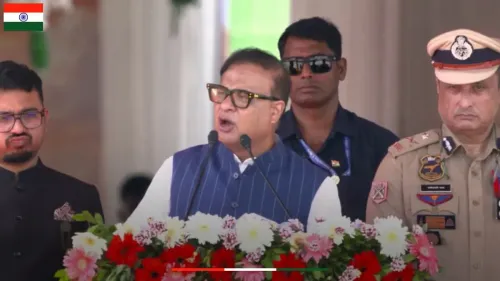
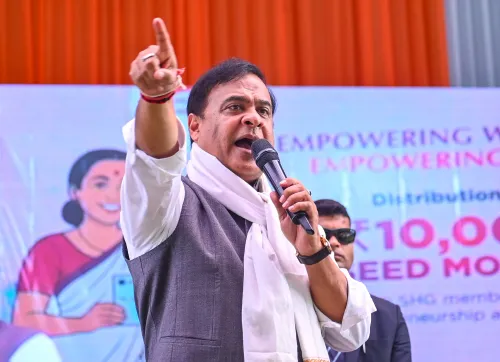
The question in Assam around the Special Intensive Revision (SIR) of electoral rolls is fundamentally different from the anger playing out elsewhere in India — and Assam Chief Minister Himanta Biswa Sarma wants that distinction heard loud and clear. In a pointed post on X on Saturday, October 3, 2026, Sarma argued that Assam's public is not upset about names being struck off the rolls; the fury, he said, is directed squarely at illegal names being added.
Writing in Hindi, Sarma stated: 'SIR को लेकर असम में सवाल अलग है। यहाँ नाम काटने पर जनता का गुस्सा नहीं है, पर अवैध नाम जोड़ने पर नाराज़गी है.' — ('The question around SIR in Assam is different. Here, the public's anger is not about names being deleted, but about illegal names being added.')
Why Assam's Electoral Roll Anxiety Runs Deeper
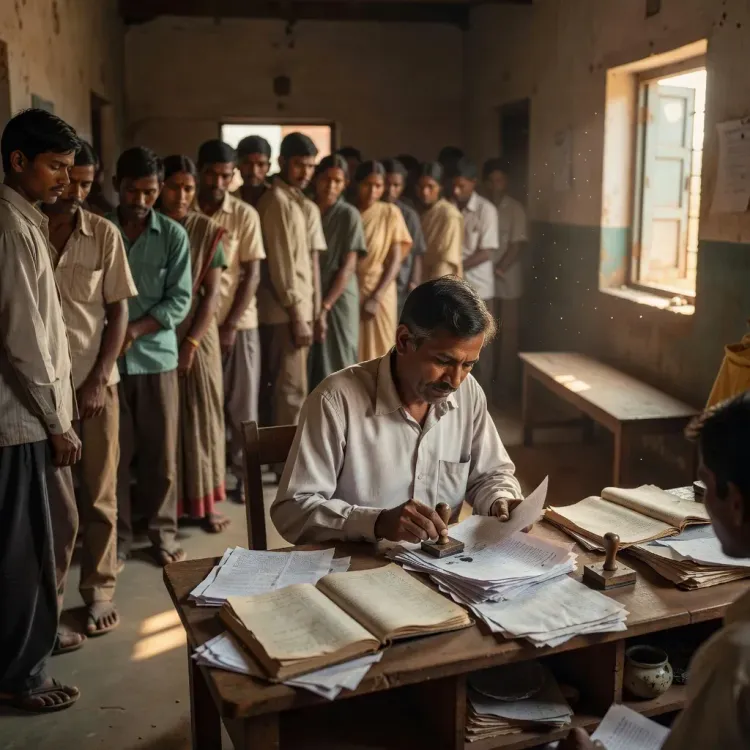
Assam occupies a uniquely charged position in India's citizenship and voter-roll debate. The state has a decades-long, legally contested history of detecting and excluding undocumented migrants — primarily from Bangladesh — from its electoral and civic records. The National Register of Citizens (NRC) process, concluded in 2019, placed Assam at the centre of a national conversation about who legitimately belongs on official lists. Against that backdrop, any revision of the electoral roll carries political and demographic weight that simply does not exist in most other states.
Sarma's framing inverts the dominant national narrative around SIR. In several other states, the loudest criticism of the Election Commission's Special Intensive Revision exercise has focused on alleged wrongful deletions — genuine voters, particularly from marginalised communities, finding their names missing. In Assam, the Chief Minister is signalling a mirror-image concern: that the revision process could become a vehicle through which ineligible or undocumented persons get enrolled, diluting the franchise of legitimate residents.
The Political Stakes Behind the Framing
By drawing this contrast publicly, Sarma is doing something deliberate. He is repositioning the BJP's posture on electoral-roll revision in Assam — from a party defending the process against deletion-complaints, to a party demanding the process be used as a filter against infiltration. It is a message aimed at the state's large indigenous voter base, for whom demographic anxiety about illegal migration remains one of the most visceral political concerns.
Assam is scheduled to go to the polls in 2026, and the electoral rolls being revised now will determine who votes. The battle over the rolls, therefore, is already a battle over the outcome. Sarma's post signals that his government intends to keep scrutiny of additions — not just deletions — firmly on the agenda as the revision process unfolds.
If the Chief Minister's charge carries weight, it will demand a response from the Election Commission on how additions to the Assam rolls are being verified. The burden of proof, Sarma is arguing, must run in both directions.
Point of View
He charges it with potential infiltration of ineligible ones. This plays directly to Assam's core political anxiety: demographic change through undocumented migration, an issue that has defined the state's politics since the Assam Agitation of the 1980s. By framing the debate this way ahead of the 2026 elections, the BJP locks its opponents into a difficult position — defending the integrity of additions risks being read as defending illegal enrolments. It is a politically sharp, if contested, move.
NationPress
3 Oct 2026
Frequently Asked Questions
What is SIR and why is it controversial in Assam?
SIR stands for Special Intensive Revision, an Election Commission exercise to update electoral rolls. In Assam, it is controversial because of the state's history of undocumented migration; CM Sarma has argued the concern is about illegal names being added, not legitimate voters being deleted.
What did Himanta Biswa Sarma say about SIR on October 3, 2026?
He posted in Hindi stating that the public's anger in Assam over SIR is not about names being struck off the rolls, but about illegal names being added to them — inverting the criticism heard in other states.
How does Assam's SIR debate differ from other states?
In most states, the loudest SIR criticism focuses on wrongful deletions of genuine voters. In Assam, CM Sarma says the concern runs the other way — that ineligible or undocumented persons may be getting enrolled.
What is the connection between the NRC and Assam's voter roll debate?
The National Register of Citizens, finalised in 2019, was designed to identify undocumented residents in Assam. That process heightened sensitivity around any official list in the state, making voter-roll revisions politically charged in a way unique to Assam.
When are Assam assembly elections scheduled?
Assam is due for assembly elections in 2026, making the current SIR exercise — which determines who appears on the final voter rolls — directly consequential for the upcoming vote.