Karnataka offers ₹50,000 reward to expose fake medicine networks after ₹5 crore drug bust
Synopsis
A ₹5 crore spurious drug bust in Ramanagara has pushed Karnataka to go public — literally. With only 200 enforcement staff for 6.5 crore people, Health Minister U.T. Khader is offering up to ₹50,000 for citizen tips, as investigators trace the fake medicine network to Telangana and Himachal Pradesh, with oncology drugs among the counterfeits.
Key Takeaways
Karnataka Health Minister U.T.
Khader announced rewards of ₹10,000 to ₹50,000 for credible tips on fake medicine networks on 20 August .
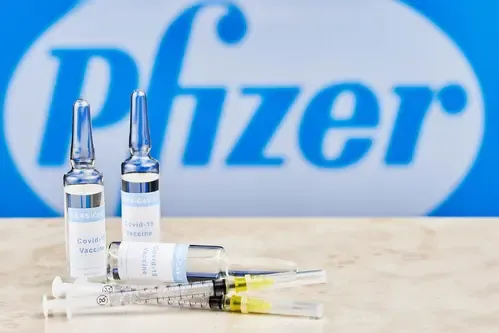
A spurious drug racket worth over ₹5 crore was busted in Ramanagara district on Wednesday , with counterfeit labels of multinational pharma companies seized.
The network has alleged links to Telangana and Himachal Pradesh ; an interstate probe has been sought.
Karnataka has only 200 staff in its Food Safety and Health departments to serve a population of 6.5 crore .
Citizens can report via the 1902 helpline or a departmental QR code ; informant identities will remain confidential.
Suspect Prabhudev was detained during searches at Bidadi ; the group allegedly operated for around six months .
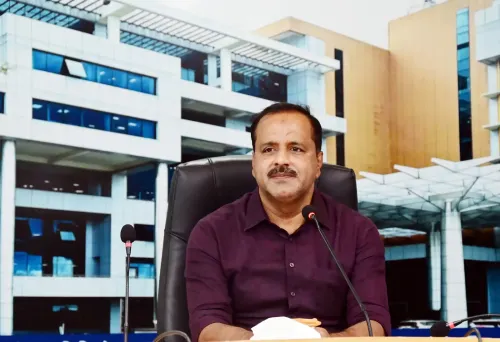
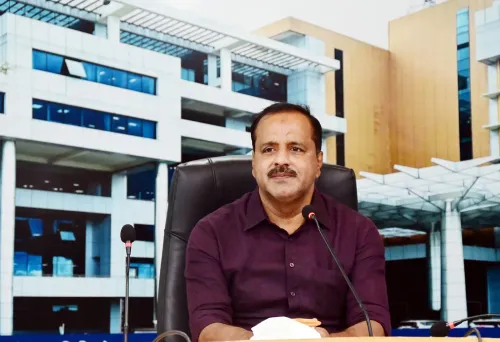
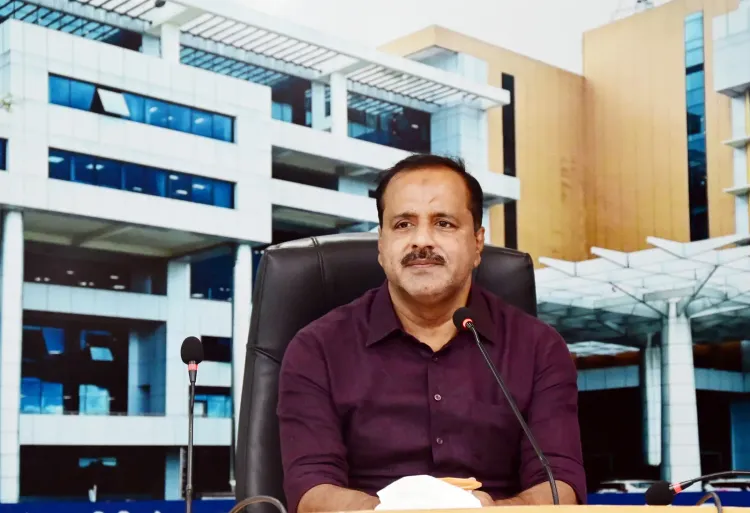
Karnataka Health Minister U.T. Khader on Thursday, 20 August called on citizens across the state to report suspected fake and spurious medicine networks, announcing cash rewards of ₹10,000 to ₹50,000 for credible leads that help authorities dismantle such operations. The appeal follows a major bust in Ramanagara district on Wednesday, where drugs worth over ₹5 crore — allegedly bearing counterfeit labels of multinational pharmaceutical companies — were seized.
The Ramanagara Bust and What It Revealed
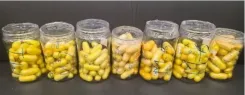
The crackdown in Ramanagara uncovered what officials describe as a sophisticated racket producing and distributing spurious medicines under the branding of established multinational drug companies. Searches conducted at Bidadi in Bengaluru South district reportedly yielded medicine vials, labels, empty vials, and drugs. A suspect identified as Prabhudev was found at the location during the operation.
According to officials, the group had allegedly been active for approximately six months. Additional Drug Controller Dr Umesh S. confirmed that the probe has established links beyond Karnataka, with connections traced to Telangana and Himachal Pradesh. Oncologists, doctors, and pharmacies are among those being examined as part of the widening investigation.
Interstate Probe Sought, Alerts Sent Nationwide
Minister Khader has sought an interstate investigation, stating that initial findings point to fake drug manufacturing units operating in other parts of the country. Information about the network has been shared with drug controllers and state licensing authorities across India. Drug control authorities in multiple states have also been alerted via a circular identifying the spurious drug batches detected so far.
Officials have been directed to verify distributors involved in the sale of high-value multinational medicines — including scrutinising purchase records and batch details — to determine whether the products are genuine. Letters have been sent to respective state drug control authorities, and information from persons currently in police custody is expected to yield further leads.
Why Public Cooperation Is Critical
Addressing reporters in Bengaluru, Khader underscored the structural challenge facing enforcement. 'We have a population of 6.5 crore in Karnataka, while only around 200 staff members are working in the Food Safety and Health departments. How much can we find out? The public must be aware of such developments and cooperate with us,' he said.
The minister urged citizens to be alert when expensive medicines are available at unusually low prices. 'People must question how a pharmacist obtained a particular medicine at a cheaper price and pass that information to us. We will examine how the prices differ,' he said. This comes amid growing concerns that counterfeit oncology and high-value drugs — which command premium prices — are particularly vulnerable to substitution by spurious alternatives.
How to Report and What to Expect
The Health Department has set up a dedicated channel for tip-offs: citizens can report through the 1902 helpline or via a QR code issued by the department. The identity of all informants will be kept confidential, officials confirmed. Cash rewards ranging from ₹10,000 to ₹50,000 will be disbursed depending on the usefulness of the information provided.
Khader stressed that the Health Department and Food Safety Department alone cannot uncover the full extent of the network. 'This network was busted based on small clues. Everyone in society must cooperate to expose the nexus,' he said. As the investigation progresses and more persons in custody are questioned, authorities expect the full scale of the operation — and its supply chain — to come into sharper focus.
Point of View
Targeting patients with the least margin for error. The interstate trail to Telangana and Himachal Pradesh suggests a supply chain that no single state drug controller can dismantle alone, yet India still lacks a unified national task force for pharmaceutical counterfeiting. Citizen whistleblowing fills a gap that should not exist at this scale.
NationPress
4 Oct 2026
Frequently Asked Questions
What reward is Karnataka offering for fake medicine information?
Karnataka is offering cash rewards between ₹10,000 and ₹50,000 for credible information that helps authorities uncover spurious medicine networks. The amount depends on the usefulness of the tip, and the identity of informants will be kept confidential.
What was seized in the Ramanagara drug bust?
Drugs worth over ₹5 crore, allegedly carrying counterfeit labels of multinational pharmaceutical companies, were seized in Ramanagara district on Wednesday. Searches at Bidadi also recovered medicine vials, labels, and empty vials, and a suspect named Prabhudev was detained.
How can citizens report fake or spurious medicines in Karnataka?
Citizens can report suspected fake medicines through the 1902 helpline or by scanning a QR code issued by the Karnataka Health Department. All informants will remain anonymous, and eligible tips will be rewarded with cash payments.
Which states are linked to the Karnataka fake drug network?
According to officials, the network has connections to Telangana and Himachal Pradesh. Karnataka Health Minister U.T. Khader has sought an interstate probe, and drug control authorities across India have been alerted.
Why is Karnataka struggling to tackle the fake medicine problem on its own?
The state's Food Safety and Health departments have only around 200 staff to serve a population of 6.5 crore, making comprehensive enforcement nearly impossible without public cooperation. Minister Khader acknowledged this gap explicitly, calling citizen tips essential to dismantling the network.