Nandini milk price hike: Karnataka govt reviews ₹8-10/litre demand from cooperatives
Synopsis
Karnataka's Nandini milk — held at prices up to ₹12 lower than neighbouring states for over 18 months — is now under formal review for a ₹8-10 per litre hike. With procurement at ₹35/litre versus ₹42+ in Tamil Nadu and Kerala, the gap is striking. CM Shivakumar has sought data before deciding, but the pressure from drought-hit dairy farmers is mounting.
Key Takeaways
Cooperative milk producers' federations have demanded a ₹8-10 per litre increase in Nandini milk's procurement and selling price.
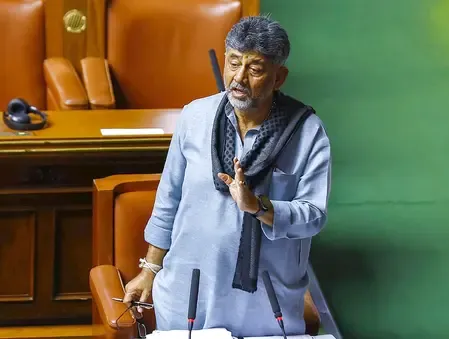
Shivakumar met the delegation at Vidhana Soudha on 22 September 2026 and directed officials to compile production cost data.
Karnataka currently procures toned milk at ₹35 per litre — significantly lower than ₹41.50 (Andhra Pradesh) , ₹41.80 (Kerala) , ₹41 (Maharashtra) , and ₹42.24 (Tamil Nadu) .
Karnataka's retail milk price is reportedly at least ₹12 per litre lower than in neighbouring states.
Nandini prices have not been revised for over one-and-a-half years , according to BAMUL president D.K.
No decision has been announced; the government will review data on production costs, volumes, and market conditions first.
The Karnataka government is examining a formal demand from cooperative milk producers' federations to raise both the procurement and selling price of Nandini milk by ₹8 to ₹10 per litre, following a delegation meeting with Chief Minister D.K. Shivakumar at Vidhana Soudha in Bengaluru on Tuesday, 22 September 2026. The move, if approved, would mark the first price revision in over one-and-a-half years for one of South India's most widely consumed dairy brands.
What the Delegation Sought
A delegation representing cooperative milk producers' federations met Chief Minister Shivakumar and submitted a formal representation calling for an upward revision in both procurement and retail prices. The delegation argued that sharply rising input costs — including cattle feed, fodder, veterinary medicines, and other production expenses — had made current price levels unsustainable for dairy farmers.
D.K. Suresh, president of the Bengaluru Urban and Rural Milk Producers' Cooperative Unions (BAMUL) and Chief Minister Shivakumar's younger brother, spoke on behalf of the delegation. He said drought conditions had compounded the crisis by reducing agricultural income and limiting fodder availability for livestock.
Karnataka vs Neighbouring States: The Price Gap
Suresh cited a stark procurement price disparity between Karnataka and its neighbours. Karnataka's cooperative federations currently procure toned milk at ₹35 per litre, compared to ₹41.50 in Andhra Pradesh, ₹41.80 in Kerala, ₹41 in Maharashtra, and ₹42.24 in Tamil Nadu. He also claimed Karnataka's maximum retail price was at least ₹12 per litre lower than in neighbouring states.
The delegation warned that private dairy companies were actively increasing their procurement volumes in Karnataka, creating direct competition for cooperative federations and threatening the state's cooperative milk supply chain.
What Shivakumar Has Directed
Chief Minister Shivakumar has asked officials to compile comprehensive data before any decision is taken. Specifically, he sought details on the rise in cattle feed prices over the past decade, the per-litre cost of milk production, the volume of milk farmers currently sell outside cooperative federations, total procurement volumes, and prevailing prices in neighbouring states.
The directive signals that the government intends a data-driven review rather than an immediate decision. No timeline has been announced for a final call.
Why Milk Prices Have Been Held
According to Suresh, Karnataka's cooperative federations had consciously refrained from raising prices for over one-and-a-half years in the interest of consumers, even as various cooperative organisations and private dairies across other states have continued increasing prices. He said this restraint, while consumer-friendly, had put mounting pressure on the financial viability of dairy farmers.
What Happens Next
The government's decision will hinge on the data submitted by officials, including a cost comparison with neighbouring states and an assessment of how a price revision would affect consumer spending and farmer incomes. Industry observers note that a hike, if implemented, would also affect the price of Nandini-branded milk products. Any revision will need to balance farmer welfare against affordability concerns in a state where Nandini commands a dominant market position.
Point of View
But the drought context and rising private competition give it fresh urgency. What is worth watching is the political geometry: BAMUL president D.K. Suresh is the Chief Minister's younger brother, which means the delegation carries unusual institutional weight. The government's instinct to seek data first is sensible, but it also defers an uncomfortable choice: raise Nandini prices and risk urban consumer backlash, or hold them and accelerate the shift of supply toward private dairies. Karnataka's cooperative model depends on that supply chain staying intact.
NationPress
22 Sept 2026
Frequently Asked Questions
Will Nandini milk prices increase in Karnataka?
No decision has been announced yet. Chief Minister D.K. Shivakumar has directed officials to gather comprehensive cost and market data before any price revision is considered. The government will review production costs, procurement volumes, and prices in neighbouring states first.
By how much is Karnataka's Nandini milk price lower than other states?
According to the delegation, Karnataka procures toned milk at ₹35 per litre, compared to ₹41.50 in Andhra Pradesh, ₹41.80 in Kerala, ₹41 in Maharashtra, and ₹42.24 in Tamil Nadu. The retail price in Karnataka is reportedly at least ₹12 per litre lower than in neighbouring states.
Why are dairy farmers demanding a Nandini milk price hike?
Farmers cite rising costs of cattle feed, fodder, veterinary medicines, and other inputs, compounded by drought conditions that have reduced fodder availability and agricultural income. They also argue that private dairies are luring away milk supply by offering better rates.
When was Nandini milk last given a price revision?
According to BAMUL president D.K. Suresh, Nandini milk prices have not been revised for over one-and-a-half years, a deliberate decision to protect consumers despite rising production costs.
Who is D.K. Suresh and why did he lead the delegation?
D.K. Suresh is the president of the Bengaluru Urban and Rural Milk Producers' Cooperative Unions (BAMUL) and the younger brother of Karnataka Chief Minister D.K. Shivakumar. He led the cooperative delegation that met the Chief Minister at Vidhana Soudha on 22 September 2026 to seek the price revision.