Raghav Chadha flags doctor-diagnostic 'cut money' nexus in Rajya Sabha
Synopsis
BJP MP Raghav Chadha took the floor of the Rajya Sabha to expose a shadow economy hiding inside routine healthcare: a fixed ₹3,000-per-referral commission system between certain doctors and diagnostic labs that silently inflates patient bills by up to 20% — and is already banned on paper by the National Medical Commission.
Key Takeaways
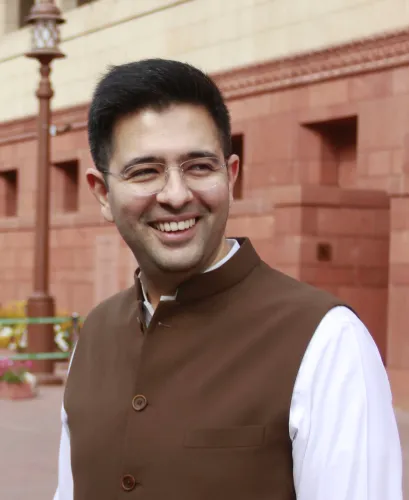
BJP Rajya Sabha MP Raghav Chadha raised the 'cut money' referral commission issue in Parliament on 6 August .
Doctors allegedly receive ₹3,000 per patient referral from certain diagnostic centres, with a dedicated agent facilitating the arrangement.
The practice can inflate a patient's medical bill by 15–20 per cent , according to Chadha.
Diagnostic centres reportedly log these payments as 'marketing expense'; doctors describe them as 'referral commission.' The National Medical Commission (NMC) already prohibits fee-splitting and referral commissions, with suspension as a penalty — but enforcement is widely seen as inadequate.
Chadha posted a video of his speech on X , urging patients to watch for red flags before undergoing medical tests.
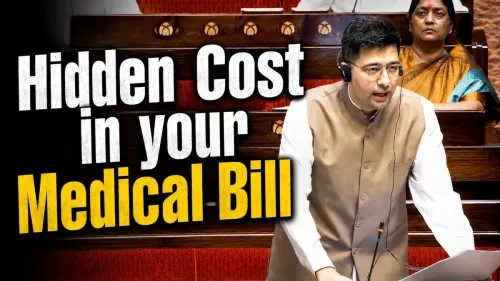
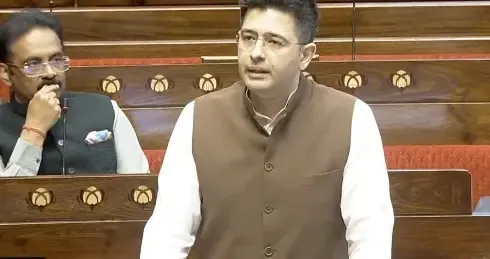
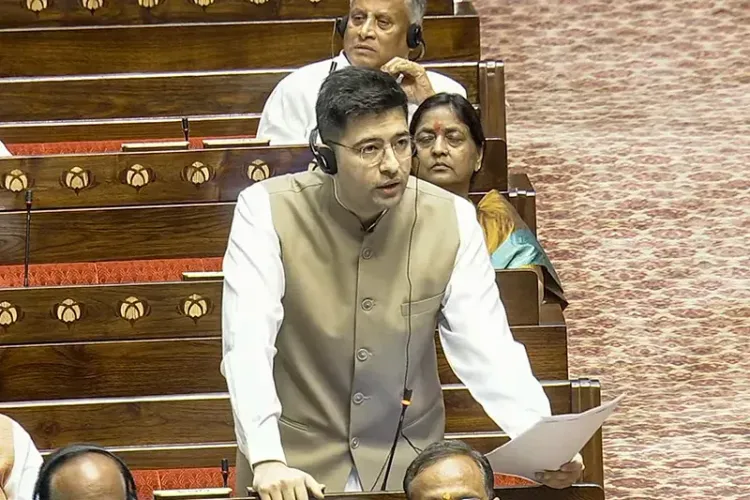
Bharatiya Janata Party (BJP) Rajya Sabha MP Raghav Chadha on Thursday, 6 August raised an alarm in Parliament over the entrenched practice of referral commissions — colloquially known as 'cut money' — between certain doctors and diagnostic centres, warning that patients silently bear the financial burden of this informal arrangement.
What Chadha Said in Parliament
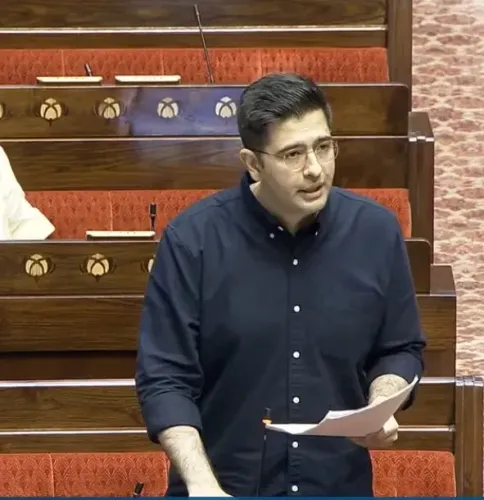
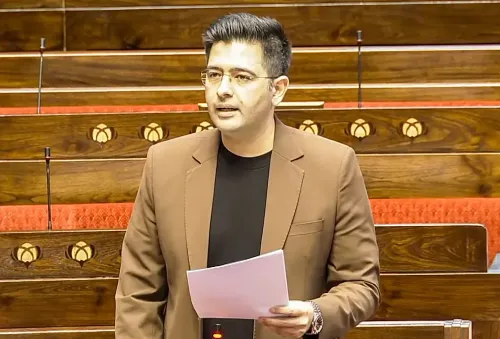
Speaking during Zero Hours in the Rajya Sabha, Chadha described a parallel incentive economy operating beneath the surface of routine medical care. 'I am speaking on referral incentive and cut money arrangement between a few doctors and some diagnostic centres. This has become an informal arrangement. ₹3,000 goes to the doctor, not to treat you but to refer you. There is a set commission rate, a dedicated agent and a parallel incentive economy,' he said.
He further explained that diagnostic centres record these payouts as 'marketing expense' in their accounts, while doctors classify the same amount as 'referral commission.' The cost, he alleged, is quietly passed on to the patient's bill without disclosure.
Scale of the Problem
Chadha warned that the practice can inflate a patient's medical expenses by 15–20 per cent and is fuelling unnecessary diagnostic tests and over-referrals. 'In sophisticated language, this is called doctor's referral commission… The burden of this money is not borne by the diagnostic centre but by the patient,' he said, urging patients to watch for 'red flags' before agreeing to any medical test.
Existing Regulations and Enforcement Gap
The issue is not new to medical ethics discourse. Regulations framed under the erstwhile Medical Council of India (MCI) and its successor, the National Medical Commission (NMC), explicitly prohibit fee-splitting and referral commissions. Penalties under these rules can extend to suspension of a practitioner's licence. Critics argue, however, that enforcement has remained weak, allowing the practice to persist and expand.
Notably, this is the first time the issue has been raised with such specificity on the floor of the Rajya Sabha in recent memory, lending it fresh legislative visibility.
Chadha's Post on X
Following his address, Chadha shared a clip of his speech on social media platform X, writing: 'In Parliament today, I spoke on the 'cut money' arrangement between some doctors and diagnostic centres/pathology labs. Diagnostic centres call it 'marketing expense.' Doctors call it 'referral commission.' All gets added to Patient's hospital bill. A silent transaction that isn't about your treatment. It's about who referred you. Watch this before your next medical test.'
What Happens Next
Chadha's remarks are expected to intensify pressure on the National Medical Commission and the Ministry of Health and Family Welfare to tighten oversight of referral practices. Healthcare advocacy groups have long called for mandatory disclosure of financial relationships between referring physicians and diagnostic facilities. Whether Parliament takes up the issue for a structured debate or the government responds with a policy directive remains to be seen.
Point of View
Not anecdotal, and the NMC's prohibition exists largely on paper. What mainstream coverage misses is the enforcement architecture: the NMC has neither the investigative capacity nor the data-sharing agreements with diagnostic chains needed to act on complaints at scale. The ₹3,000-per-referral figure, if systemic, points to a market-clearing price — meaning the practice is organised enough to have standardised rates, which makes it harder to dismiss as isolated misconduct. The real question is whether this parliamentary moment produces a mandatory financial-disclosure regime for referring physicians, or fades into the long queue of healthcare reform proposals that stall between ministries.
NationPress
20 Sept 2026
Frequently Asked Questions
What is the 'cut money' arrangement Raghav Chadha raised in Parliament?
It refers to an informal system in which certain doctors receive fixed commissions — reportedly ₹3,000 per referral — from diagnostic centres and pathology labs for directing patients to them. The cost is allegedly added to the patient's bill rather than absorbed by the diagnostic centre.
Is referral commission between doctors and labs legal in India?
No. The National Medical Commission (NMC) , which replaced the erstwhile Medical Council of India, prohibits fee-splitting and referral commissions. Penalties can include suspension of a doctor's licence, though enforcement has been widely criticised as weak.
How much can referral commissions inflate a patient's medical bill?
According to Raghav Chadha 's statement in the Rajya Sabha, the practice can inflate a patient's medical expenses by 15–20 per cent and encourages unnecessary tests and over-referrals.
Who is affected by the doctor-diagnostic centre referral commission practice?
Patients who are referred for diagnostic tests or pathology work are directly affected, as the commission cost is reportedly passed on through their bills. The problem is most acute for patients undergoing multiple tests or long-term diagnostic monitoring.
What action can be taken against doctors who accept referral commissions?
Under NMC regulations, doctors found guilty of fee-splitting or accepting referral commissions can face suspension of their medical licence. Patients can file complaints with the NMC or the respective State Medical Council.