Afghanistan arrests 60 drug suspects, seizes 29 kg narcotics across 12 provinces
Synopsis
In a single day, Afghan authorities arrested 60 suspected traffickers across 12 provinces, dismantled a crystal meth lab in Uruzgan, and confiscated 23,000 kg of drug precursor chemicals — one of the most sweeping single-day counter-narcotics operations in recent months, pointing to an accelerating enforcement push against Afghanistan's evolving drug economy.
Key Takeaways
60 suspects arrested across 12 provinces in coordinated Afghan counter-narcotics operations on 20 September 2026 .
29 kg of narcotics seized during the multi-province sweep; specific substances not disclosed by the ministry.
A clandestine drug-processing lab in Uruzgan province was dismantled; 48 kg of crystal methamphetamine recovered.
Counter-narcotics units seized 23,000 kg of precursor chemicals in Helmand and Ghazni provinces.
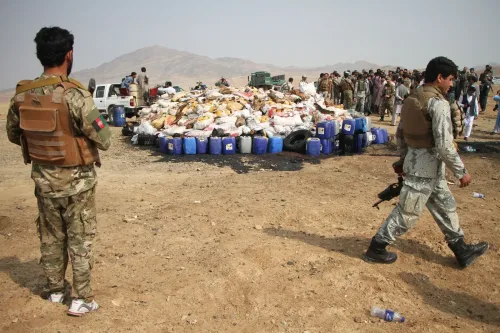
On 27 August 2026 , police publicly burned over 2.5 tonnes of narcotics — including 2,000 kg of opium — in Takhar province .
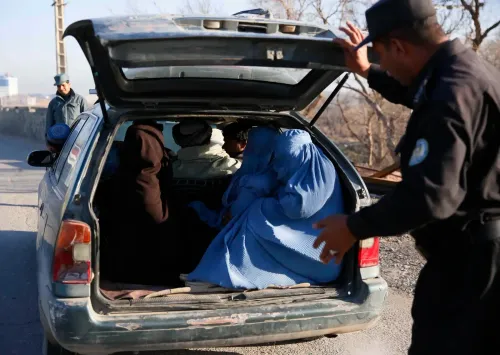
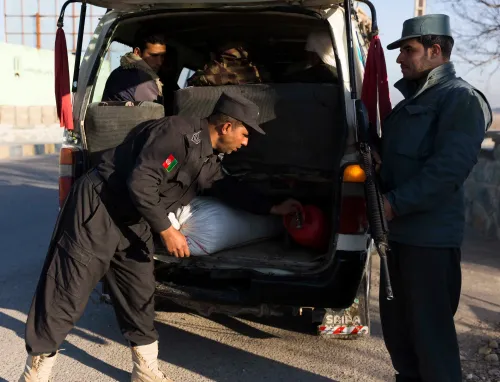
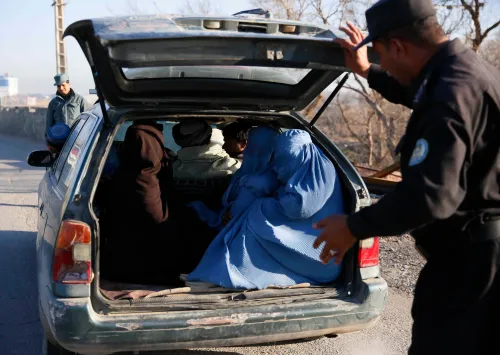
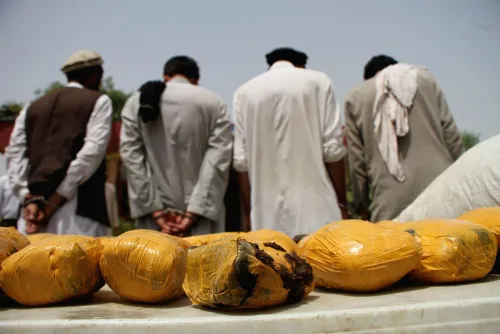
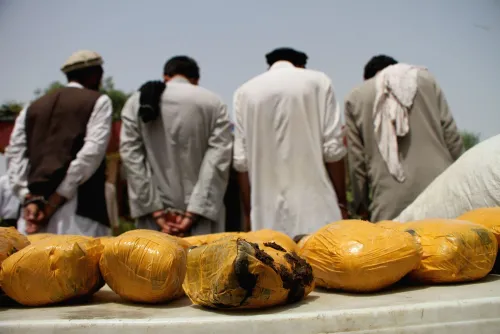
Afghan counter-narcotics police have arrested 60 individuals suspected of involvement in the illicit drug trade and seized 29 kg of narcotics in a wave of coordinated operations spanning 12 provinces, the Ministry of Interior Affairs confirmed in a statement on Sunday, 20 September 2026. The sweep reflects an intensifying nationwide crackdown on Afghanistan's entrenched drug economy.
Provinces Targeted in the Sweep
Suspects were detained across a broad geographic stretch, with operations conducted in and around Nimroz, Balkh, Nangarhar, Kapisa, Laghman, Kunduz, Samangan, Parwan, Badakhshan, Khost, Panjshir, and Farah. The ministry said the seizures included various types of illicit narcotics but did not disclose further details on the specific substances confiscated or the identities of those arrested.
Meth Lab Dismantled, 48 kg Crystal Meth Recovered
Earlier on the same day, Afghan police dismantled a clandestine drug-processing laboratory in southern Uruzgan province, recovering 48 kg of crystal methamphetamine. Officers acting on a tip-off raided a site on the outskirts of the province, destroying the facility and seizing the consignment, according to a separate ministry statement. No arrests were disclosed in connection with that raid.
23,000 kg of Precursor Materials Confiscated
In additional operations, counter-narcotics units seized an enormous 23,000 kg of precursor chemicals used in drug manufacturing — recovered from southern Helmand and eastern Ghazni provinces. The scale of the precursor haul points to the continued presence of industrial-level production networks operating inside Afghan territory. The ministry reiterated that police would not tolerate the production, trade, or trafficking of narcotics anywhere in the country.
Pattern of Escalating Enforcement
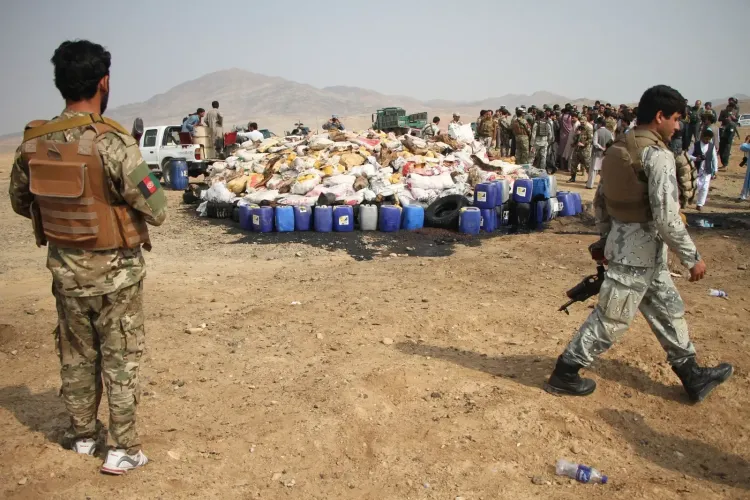
The latest operations follow a series of high-profile actions over preceding weeks. On 27 August 2026, Afghan police burned more than 2.5 tonnes of illicit narcotics in northern Takhar province, provincial police spokesman Naqibullah Masroor confirmed. That cache included 2,000 kg of opium, 335 kg of hashish, and over 200 kg of methamphetamine. Masroor warned of stern action against anyone producing or trafficking narcotics across the province. Notably, this pattern of large-scale seizures and public destruction of drugs signals a sustained enforcement posture rather than isolated incidents — though independent verification of the Afghan authorities' claims remains limited given the country's restricted media environment.
Why It Matters
Afghanistan has historically accounted for the bulk of the world's illicit opium supply, and the country's narcotics trade has long been intertwined with both its informal economy and armed non-state actors. The shift toward methamphetamine production — reflected in the Uruzgan lab bust — represents an evolving challenge, as crystal meth carries higher margins and different trafficking routes than opiates. The seizure of 23,000 kg of precursor materials, if confirmed, could meaningfully disrupt near-term production capacity. How consistently these enforcement gains translate into structural reduction of the drug economy will be a critical measure of the authorities' long-term effectiveness.
Point of View
A meth lab bust, and a 23,000 kg precursor haul — is operationally significant, but the numbers deserve scrutiny. Afghan authorities have historically used large seizure announcements to project state capacity, and independent verification inside the country remains difficult. More telling is the growing meth dimension: the Uruzgan lab and precursor quantities suggest a structural shift away from opiate-only production, which complicates the enforcement calculus and diversifies trafficking networks. Whether this represents a durable crackdown or a cyclical show of force ahead of international scrutiny is the question mainstream coverage is not asking.
NationPress
20 Sept 2026
Frequently Asked Questions
How many people were arrested in Afghanistan's drug crackdown on 20 September 2026?
Afghan counter-narcotics police arrested 60 individuals suspected of involvement in the illicit drug trade on 20 September 2026. The operations spanned 12 provinces, though the ministry did not disclose the identities of those detained.
What was found in the Uruzgan drug lab raid?
Acting on a tip-off, Afghan police raided a clandestine drug-processing laboratory on the outskirts of Uruzgan province and recovered 48 kg of crystal methamphetamine . The facility was destroyed, but the ministry did not confirm whether any arrests were made during that specific raid.
What are precursor chemicals and why does the 23,000 kg seizure matter?
Precursor chemicals are raw materials used to manufacture illicit drugs such as methamphetamine and heroin. The seizure of 23,000 kg of such materials in Helmand and Ghazni provinces indicates the presence of large-scale production networks, and removing that supply could disrupt near-term drug manufacturing capacity in the region.
What narcotics did Afghan police destroy in Takhar province in August 2026?
On 27 August 2026 , Afghan police publicly burned more than 2.5 tonnes of narcotics in Takhar province, including 2,000 kg of opium , 335 kg of hashish , and over 200 kg of methamphetamine , according to provincial police spokesman Naqibullah Masroor.
Why is Afghanistan's drug trade significant globally?
Afghanistan has historically been one of the world's largest sources of illicit opium, and its drug economy has long been linked to armed groups and informal financial networks. A growing methamphetamine production dimension, evidenced by recent lab busts, adds a new layer of complexity to international counter-narcotics efforts.