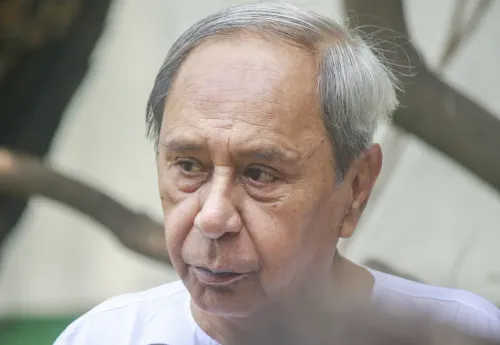
BJD's Naveen Patnaik urges Odisha CM to call special Assembly session on MMDR Amendment
Synopsis
Naveen Patnaik is daring Odisha's BJP chief minister to publicly challenge the Centre's MMDR Amendment — the same law passed by his own party in Parliament. With ₹12,000 crore in annual mineral revenue on the line and a landmark Supreme Court verdict at risk of being nullified, this is a direct test of whether state interest or party loyalty wins in Bhubaneswar.
Key Takeaways
BJD president and Leader of Opposition Naveen Patnaik wrote to CM Mohan Charan Majhi on 20 September 2026 demanding a special session of the Odisha Legislative Assembly .
The demand is for a unanimous resolution seeking repeal of the MMDR Amendment passed by Parliament.
A nine-judge Constitution Bench of the Supreme Court had earlier upheld Odisha's right to levy taxes on mineral wealth, potentially unlocking nearly ₹12,000 crore in annual recurring revenue.
Patnaik alleged that 20 BJP MPs supported the amendment, which he said undermines Odisha's constitutional and financial rights.
The BJD has pledged full support to the state government if it moves a resolution against the Central amendment.
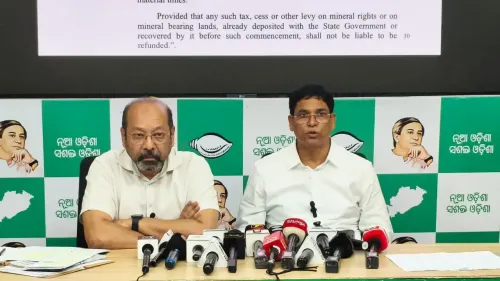
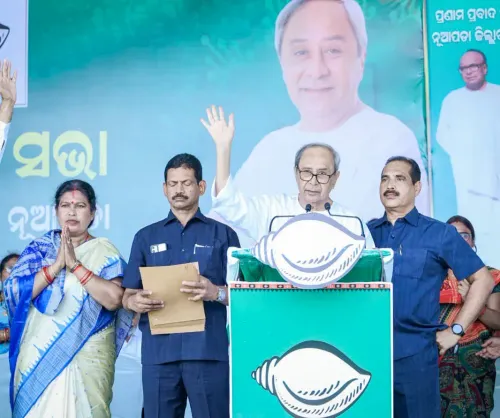
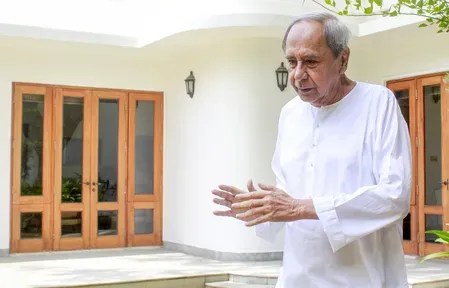
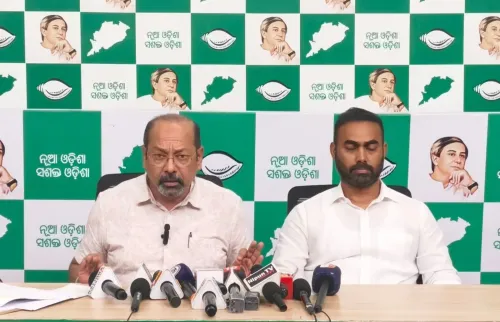
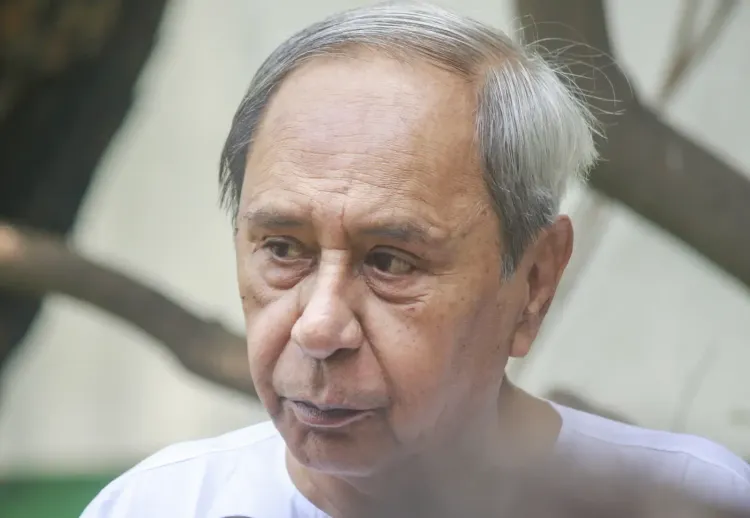
Biju Janata Dal (BJD) president and Leader of Opposition Naveen Patnaik on Sunday, 20 September 2026, wrote to Odisha Chief Minister Mohan Charan Majhi, reiterating his demand for an urgent special session of the Odisha Legislative Assembly to pass a unanimous resolution seeking the repeal of the Mines and Minerals (Development and Regulation) (MMDR) Amendment. The letter renews pressure on the ruling Bharatiya Janata Party (BJP) government in the state over a federal rights dispute with direct fiscal consequences for Odisha.
Background: The Supreme Court Victory at Stake
Patnaik noted in his letter that the constitutional right of states to impose tax on mineral wealth and mineral-bearing lands had been contested in courts by mining companies for years. He pointed out that the previous BJD government had fought protracted legal battles — in both the High Court and the Supreme Court — to defend Odisha's constitutional authority.
'Under your direction, the Advocate General of Odisha had placed the State's position before the Court, including the serious financial implications for Odisha if its power to levy taxes on minerals and mineral-bearing lands was taken away,' Patnaik wrote, addressing Majhi directly.
That legal battle culminated in a landmark verdict by a nine-judge Constitution Bench of the Supreme Court, which upheld states' authority to levy taxes on mineral wealth and mineral-bearing lands. According to Patnaik, the ruling opened the door to recovering crores of rupees in past dues and securing a minimum recurring annual revenue of nearly ₹12,000 crore for Odisha — a sum with, as he put it, 'profound financial implications' for the state's development.
Why the MMDR Amendment Has Triggered Alarm
Patnaik argued that the newly enacted MMDR Amendment effectively undercuts the Supreme Court's judgment, calling it a shock to the nation. He expressed grave concern that the amendment stands to benefit private mining companies at the direct expense of Odisha's revenue streams. He also levelled pointed criticism at the 20 BJP Members of Parliament who, he alleged, voted in support of the amendment — which he described as being against the interests of Odisha's people.
This comes amid a broader national debate over Centre-state fiscal federalism, with multiple mineral-rich states watching the amendment's implications closely. Notably, Odisha is among India's top mineral-producing states, making the revenue stakes particularly high.
Patnaik's Demand and the Call for Unity
'It is your moral responsibility, as the Leader of the House, to call a special session of the Assembly and bring a unanimous resolution seeking the repeal of the MMDR Amendment,' Patnaik urged in his letter to Majhi.
He assured that the BJD would extend full support to the state government in this endeavour, framing the issue as one transcending party lines. 'Let us come together to pass this resolution in the interest of our motherland, Odisha, and demand that the Central Government reverse its decision to take away the State's constitutional rights. The people of Odisha will remember this historic moment,' he said.
What Happens Next
The ball is now squarely in Chief Minister Majhi's court. Convening a special Assembly session would require the BJP-led state government to, in effect, publicly challenge a Central legislation passed by its own party's majority in Parliament — a politically delicate position. No response from the Chief Minister's office has been reported so far. Whether Majhi acts on the demand or deflects it will be a significant indicator of how the state intends to balance its federal interests against party loyalty to the Centre.
Point of View
He forces Majhi into an impossible choice: defend Odisha's fiscal interests and defy Delhi, or protect party unity and be seen as surrendering ₹12,000 crore a year. The MMDR Amendment is not just a mining bill — it is a test of how much fiscal federalism survives when the same party holds both state and Central office. Mainstream coverage has focused on the legal dimension; the more consequential question is whether any state government, regardless of political affiliation, can afford to stay silent when a Supreme Court-backed revenue stream is legislated away.
NationPress
20 Sept 2026
Frequently Asked Questions
What is the MMDR Amendment and why is Odisha opposed to it?
The Mines and Minerals (Development and Regulation) (MMDR) Amendment is a law passed by Parliament that, according to BJD leader Naveen Patnaik, undermines states' constitutional right to levy taxes on mineral wealth — a right that was upheld by a nine-judge Supreme Court Constitution Bench. Odisha is opposed because the amendment reportedly benefits private mining companies at the expense of the state's mineral revenue, which could cost it nearly ₹12,000 crore annually.
What is Naveen Patnaik asking for in his letter to the Odisha CM?
Patnaik has demanded that Chief Minister Mohan Charan Majhi convene an urgent special session of the Odisha Legislative Assembly to pass a unanimous resolution calling on the Central government to repeal the MMDR Amendment. He has pledged BJD's full support for the move.
What was the Supreme Court's verdict on states' mineral taxation rights?
A nine-judge Constitution Bench of the Supreme Court upheld the constitutional authority of states to levy taxes on mineral wealth and mineral-bearing lands against mining companies. According to Patnaik, this ruling paved the way for recovery of past dues and an annual recurring revenue of nearly ₹12,000 crore for Odisha.
Why is this politically significant for the BJP government in Odisha?
The BJP leads both the Odisha state government and the Central government in Parliament, which passed the MMDR Amendment. Calling a special session to demand its repeal would mean the state government publicly challenging its own party's Central legislation — a rare and politically sensitive step.
Has Chief Minister Mohan Charan Majhi responded to Patnaik's demand?
No response from Chief Minister Majhi's office has been reported as of 20 September 2026. The demand places the BJP-led state government in a difficult position between defending Odisha's fiscal interests and maintaining alignment with the Central government's legislative agenda.