Odisha MMDR Amendment: Naveen Patnaik demands special Assembly session
Synopsis
Naveen Patnaik is pushing for a rare special Assembly session — not over a law-and-order crisis, but over a mining bill he says could strip Odisha of its right to tax its own minerals. With Sections 9D and 13 of the MMDR amendment handing the Centre sweeping fiscal control, one of India's most mineral-rich states is being asked to choose between federal deference and financial self-defence.
Key Takeaways
Naveen Patnaik wrote to CM Mohan Charan Majhi on 14 August demanding a special session of the Odisha Assembly .
The letter targets the Mines and Minerals (Development and Regulation) Amendment Bill , which Patnaik says threatens state fiscal autonomy.
Section 9D of the amendment bars states from imposing any tax, cess, or levy on mineral rights or mineral-bearing lands without Central approval.
Section 13 gives the Centre exclusive authority to frame rules restricting state mineral taxation powers.
Patnaik also demanded an immediate All-Party Meeting to build consensus on protecting Odisha's mineral revenues.
Odisha is among India's top producers of iron ore, coal, and bauxite, making mining revenues central to state finances.
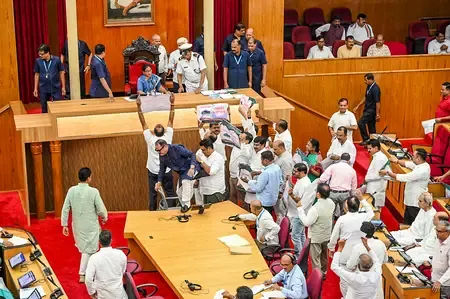
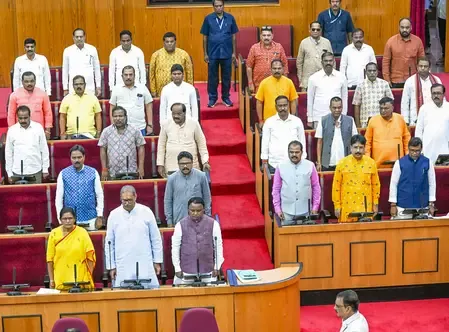
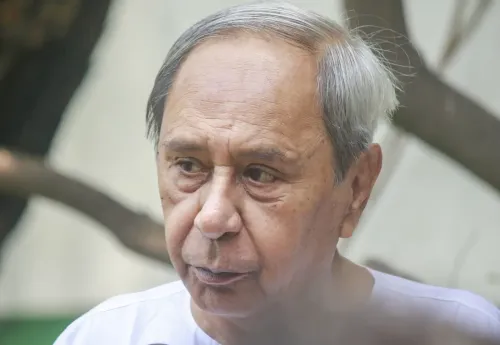
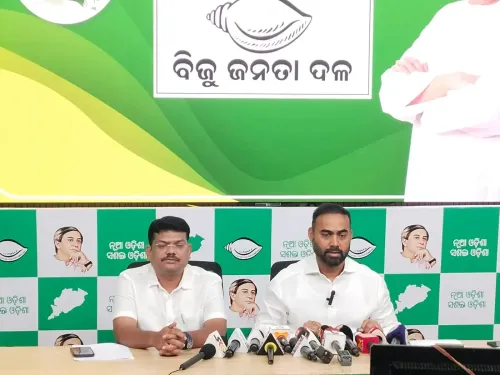
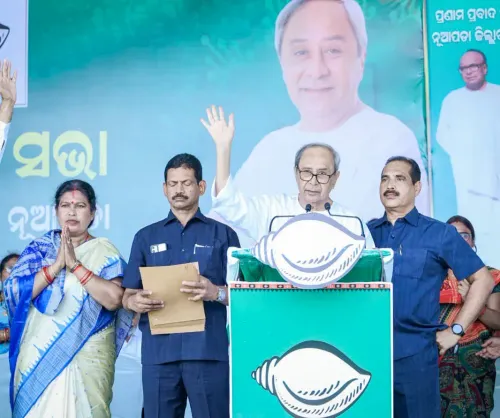
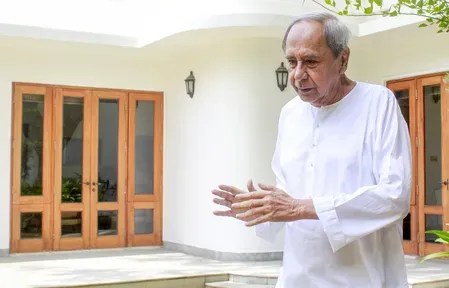
Leader of Opposition and Biju Janata Dal (BJD) president Naveen Patnaik on Friday, 14 August wrote to Odisha Chief Minister Mohan Charan Majhi, urging him to convene a special session of the Odisha Legislative Assembly to pass a resolution opposing the Mines and Minerals (Development and Regulation) Amendment Bill. Patnaik argued the legislation poses a direct threat to Odisha's fiscal autonomy and constitutional rights over its natural resources.
What Patnaik's Letter Said
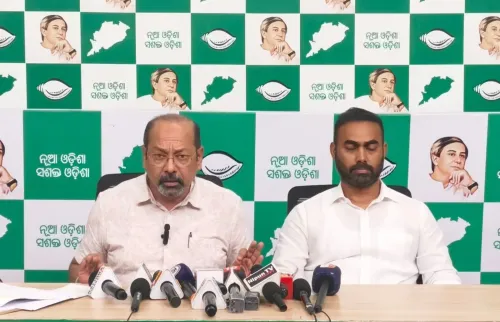
In his letter to Chief Minister Majhi, the BJD chief contended that the amendment would disproportionately impact mineral-rich states like Odisha, resulting in what he described as massive revenue losses and a stifling of the state's developmental agenda. He said BJD MPs had already strongly opposed the Bill in the Rajya Sabha, citing what they called a severe infringement on state financial rights.
Patnaik specifically flagged the amendment's expansion of Union Government control under Section 2 to include 'mineral-bearing lands' — a move he said encroaches on the state's land and fiscal jurisdiction beyond the earlier scope of mine regulation alone.
Key Provisions Under Scrutiny
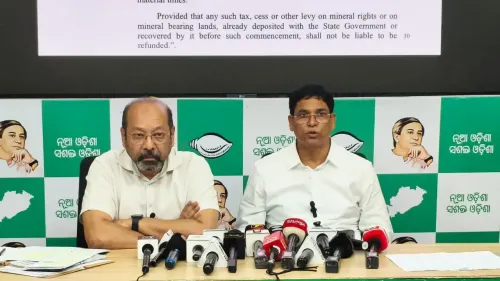
The BJD president pointed to Section 9D of the amended law, which explicitly prohibits states from imposing any tax, cess, or similar levy on mineral rights or mineral-bearing lands — whether calculated on quantity, value, or royalty — except under conditions prescribed by the Central Government. He further argued that the amendment to Section 13 gives the Centre exclusive authority to frame rules that restrict state governments' power to levy taxes on minerals.
'Odisha's natural wealth belongs to her people, and the revenue generated from mining operations is crucial for financing healthcare, education, social welfare schemes and infrastructure development across the state,' Patnaik asserted. He added that stripping the state of its power to impose taxes and cesses on mineral-bearing lands amounts to a 'heavy blow to federalism and state revenue autonomy.'
Patnaik's Demands
Beyond the special Assembly session, Patnaik urged Chief Minister Majhi to convene an immediate All-Party Meeting to build unified consensus on protecting Odisha's federal rights and mineral revenues. He stressed that the issue cuts across political lines, directly affecting the state's financial stability and long-term growth prospects.
'If the Central Government takes away the state's authority over mineral-bearing lands and its right to levy cesses, only pollution, displacement and burden of mining will remain with Odisha, while the benefits are taken away from its people,' Patnaik warned.
Broader Federal Implications
This comes amid a wider debate over Centre-state resource sharing, with several mineral-rich states having raised concerns about the fiscal impact of the MMDR amendments. Odisha is among India's largest producers of iron ore, coal, and bauxite — making its royalty and cess revenues a critical pillar of state finances. A formal Assembly resolution, if passed, would add institutional weight to the opposition and could prompt other mineral-dependent states to follow suit.
Point of View
Now in opposition after losing power in 2024, is recasting itself as Odisha's federal guardian against a BJP-led Centre. But the underlying concern is legitimate: the MMDR amendment's Section 9D is unusually broad, and its prohibition on state-level mineral cesses could materially shrink revenues in a state where mining royalties fund a significant share of social spending. The real question is whether Chief Minister Majhi — whose own party controls the Centre — will convene the special session or absorb the political cost of refusing. If Odisha does pass a resolution, it could crystallise a multi-state pushback that the Centre will find harder to ignore.
NationPress
29 Sept 2026
Frequently Asked Questions
What is the MMDR Amendment Bill and why is Odisha opposing it?
The Mines and Minerals (Development and Regulation) Amendment Bill expands the Union Government's control over mineral-bearing lands and restricts states from levying taxes or cesses on minerals without Central approval. Odisha's Leader of Opposition Naveen Patnaik argues this threatens the state's fiscal autonomy and will cause massive revenue losses for a state heavily dependent on mining income.
What specific provisions has Naveen Patnaik objected to?
Patnaik has objected to Section 9D, which prohibits states from imposing any tax, cess, or levy on mineral rights or mineral-bearing lands except under conditions set by the Centre, and Section 13, which gives the Central Government exclusive authority to frame rules restricting state mineral taxation powers.
What has Patnaik asked Chief Minister Majhi to do?
Patnaik has asked CM Mohan Charan Majhi to convene an immediate All-Party Meeting and summon a special session of the Odisha Legislative Assembly to pass a unanimous resolution opposing the MMDR Amendment Act.
Why does this matter for Odisha's finances?
Odisha is one of India's largest producers of iron ore, coal, and bauxite. Royalties and cesses from mining operations fund key state expenditures including healthcare, education, social welfare, and infrastructure. Restrictions on the state's ability to levy mineral taxes could significantly reduce this revenue stream.
Have other states raised similar concerns about the MMDR amendment?
The debate over Centre-state resource sharing under the MMDR amendments has drawn concern from several mineral-rich states. A formal resolution by Odisha's Assembly, if passed, could encourage other states to mount similar institutional challenges to the legislation.