MMDR Amendment Act disrupts Odisha Assembly for fourth day, BJD-Congress demand review
Synopsis
The Odisha Assembly has been paralysed for four straight days over the MMDR Amendment Act, 2026 — and the opposition's sharpest weapon is the BJP's own arithmetic: Naveen Patnaik is asking why 20 BJP MPs from Odisha voted for a bill that their own state government is now being urged to resist.
Key Takeaways
Odisha Assembly was disrupted for the fourth consecutive day on 25 September 2026 over the MMDR Amendment Act, 2026 .
Question Hour lasted only four to five minutes before Deputy Speaker Bhabani Shankar Bhoi adjourned the House till 4 pm .
BJD supremo Naveen Patnaik noted that 20 BJP Lok Sabha MPs from Odisha supported the bill in Parliament, questioning the ruling party's position.
Congress leader Tara Prasad Bahinipati demanded that CM Mohan Charan Majhi bring Assembly legislation blocking the Act's implementation in Odisha.
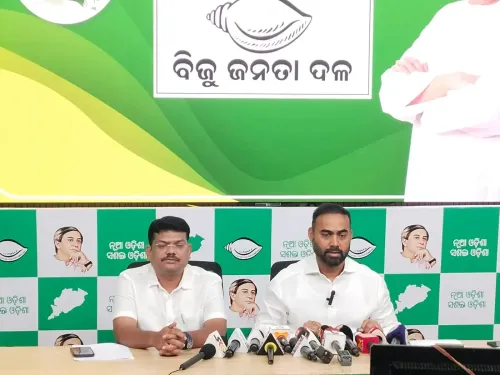
BJD MLAs marched to AG Square in Bhubaneswar to distribute leaflets on the Act's impact.
The ongoing session runs from 22 September to 3 October , with nine working days scheduled.
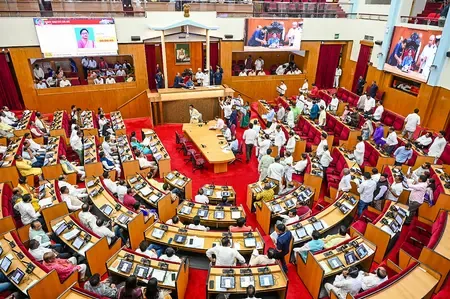
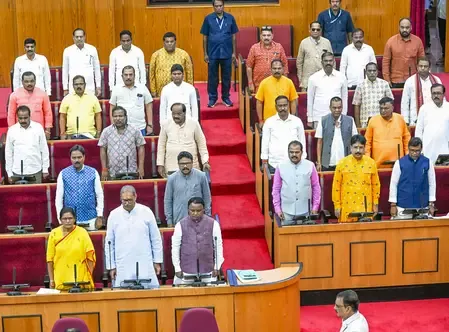
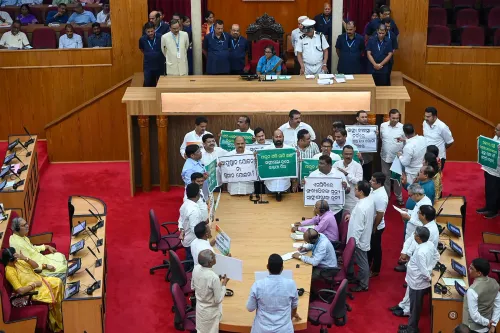
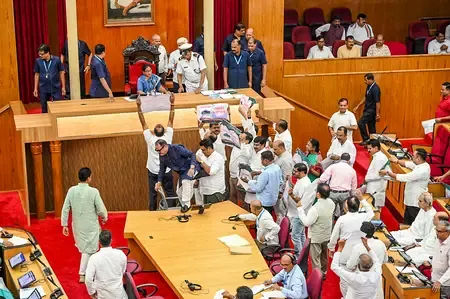
Opposition protests against the Mines and Minerals (Development and Regulation) Amendment Act, 2026, paralysed proceedings in the Odisha Legislative Assembly for the fourth consecutive day on Friday, 25 September 2026, as legislators from the Biju Janata Dal (BJD) and Congress staged a massive uproar demanding a review of the central legislation. The disruptions reduced Question Hour to a mere four to five minutes before the House was adjourned.
How the Session Was Disrupted
Deputy Speaker Bhabani Shankar Bhoi was compelled to adjourn the House till 4 pm on Friday after continued pandemonium prevented any substantive business from proceeding. This marks the fourth straight day of the ongoing 7th Session of the 17th Odisha Legislative Assembly (OLA), which runs from 22 September to 3 October — a total of nine working days. The repeated disruptions have effectively stalled legislative work in the state capital, Bhubaneswar.
What Naveen Patnaik Said
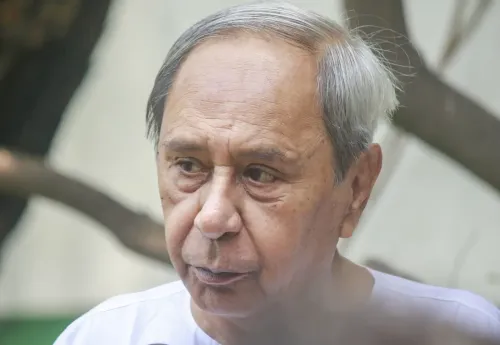
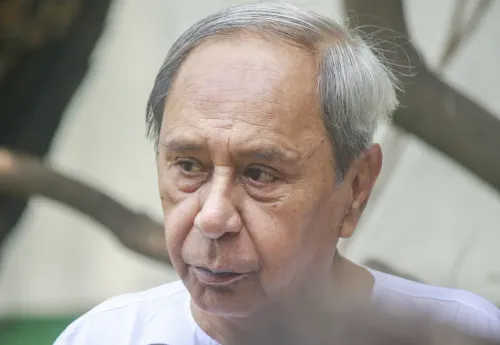
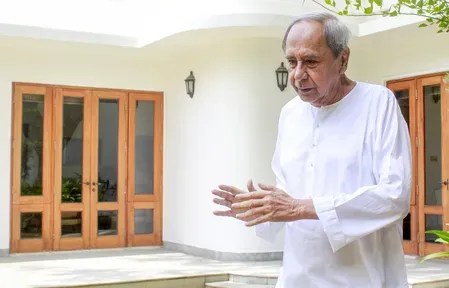
Speaking to reporters outside the Assembly, Leader of Opposition and BJD supremo Naveen Patnaik directed sharp criticism at the ruling Bharatiya Janata Party (BJP), pointing to what he described as a glaring contradiction. 'As far as the MMDR Amendment Act is concerned, why blame others, when 20 BJP Lok Sabha MPs from Odisha supported this bill in the Parliament. We in the BJD will take this up strongly with the state government to pause and see that it is revised thoroughly,' Patnaik said. He further warned that the Act, in its current form, would result in a significant loss of revenue for Odisha.
Congress Demands State-Level Action
Senior Congress leader Tara Prasad Bahinipati alleged that Prime Minister Narendra Modi had 'snatched away the rights of the state' through the central amendment. Bahinipati went further, issuing a direct challenge to Odisha Chief Minister Mohan Charan Majhi: 'If Odisha Chief Minister Mohan Charan Majhi wants to run the House, we urge him to bring legislation in the Assembly stating that the MMDR Amendment Act passed by Parliament will not be implemented in Odisha.' Congress has said it will continue its protest against the Act.
BJD Takes Protest to the Streets
After the House was adjourned, BJD MLAs marched to AG Square in Bhubaneswar and distributed leaflets to the public explaining the implications of the MMDR Amendment Act. The street demonstration signals that the opposition intends to carry its campaign beyond the Assembly and build public awareness around what it describes as revenue losses to Odisha. This is notable given that the BJD, which governed Odisha for over two decades before losing power to the BJP, is seeking to reframe itself as the state's primary advocate against central overreach.
Background and What Is at Stake
The MMDR Amendment Act, 2026, passed in the Parliament recently, has drawn criticism from several mineral-rich states that argue it tilts the balance of revenue and regulatory authority in favour of the Centre. Odisha, one of India's largest producers of iron ore, manganese, and bauxite, has a particularly high stake in mineral royalty structures. Critics argue that changes to the MMDR framework could reduce state revenue accruals and dilute local control over mining operations. The state government has not yet publicly indicated whether it intends to challenge or comply with the amended provisions, even as the opposition presses for a formal legislative response.
Point of View
Or accept revenue arrangements that the opposition can credibly frame as a betrayal of state interests. With mineral royalties forming a significant share of Odisha's non-tax revenue, the stakes are fiscal, not merely symbolic. If the BJP government in Bhubaneswar stays silent, the opposition gains a durable campaign issue heading into the next electoral cycle.
NationPress
25 Sept 2026
Frequently Asked Questions
Why is the Odisha Assembly being disrupted over the MMDR Amendment Act?
Opposition legislators from the BJD and Congress are protesting the Mines and Minerals (Development and Regulation) Amendment Act, 2026, which they argue will cause significant revenue losses for Odisha. The disruptions have continued for four consecutive days of the ongoing monsoon session, with Question Hour reduced to minutes before the House is adjourned.
What has Naveen Patnaik said about the MMDR Amendment Act?
BJD supremo and Leader of Opposition Naveen Patnaik has demanded that the state government pause and push for a thorough revision of the Act. He also pointed out that 20 BJP Lok Sabha MPs from Odisha voted in favour of the bill in Parliament, questioning the ruling party's stance on state revenue protection.
What has the Congress demanded from Chief Minister Mohan Charan Majhi?
Congress leader Tara Prasad Bahinipati has urged Chief Minister Mohan Charan Majhi to introduce legislation in the Odisha Assembly declaring that the MMDR Amendment Act passed by Parliament will not be implemented in the state. Congress has also accused Prime Minister Narendra Modi of undermining state rights through the central amendment.
How long will the Odisha Assembly monsoon session continue?
The 7th Session of the 17th Odisha Legislative Assembly runs from 22 September to 3 October 2026, spanning nine working days. Repeated disruptions over the MMDR Amendment Act have prevented substantive legislative business on multiple days so far.
Why does the MMDR Amendment Act matter specifically to Odisha?
Odisha is one of India's largest producers of iron ore, manganese, and bauxite, making mineral royalties a significant part of the state's revenue. Critics of the MMDR Amendment Act argue it shifts revenue and regulatory authority toward the Centre, reducing the state's share of earnings from its own mineral resources.