BJD demands MMDR Amendment discussion at Odisha monsoon session 2026
Synopsis
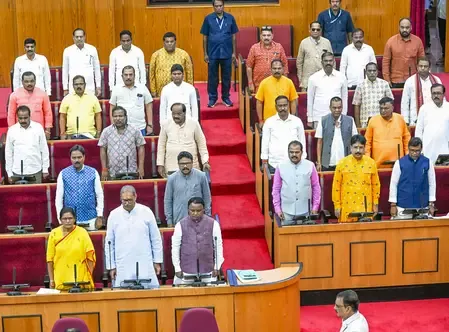
With the Odisha Assembly's nine-day monsoon session opening on 22 September, the BJD has served notice that it will push hard for a floor debate on the MMDR Amendment — a law it argues has cost the state dearly in mineral revenues. The Congress is backing the demand, creating rare Opposition unity against the ruling BJP government, while the Speaker holds the decisive card.
Key Takeaways
Assembly Speaker Surama Padhy convened an all-party pre-session meeting in Bhubaneswar on 21 September 2026 .
The BJD's Opposition Chief Whip Pramila Mallik submitted a formal motion demanding discussion on the MMDR Amendment Act and its impact on Odisha.
Senior Congress MLA Ashok Das said his party will also raise the MMDR Amendment on the floor of the House.
Parliamentary Affairs Minister Mukesh Mahaling said the government is ready to discuss all issues, but left the final call on the MMDR debate to the Speaker.
The Odisha Assembly's seventh session of the 17th Assembly runs from 22 September to 3 October , with notices received for six Bills .
The Odisha Assembly's seventh session of the 17th Assembly is set to begin on 22 September and run until 3 October, but not before the Opposition drew a firm line at a pre-session all-party meeting convened by Assembly Speaker Surama Padhy in Bhubaneswar on Monday, 21 September. The Biju Janata Dal (BJD), now in the Opposition, has formally demanded a floor debate on the losses Odisha has allegedly suffered due to the Mines and Minerals (Development and Regulation) Amendment Act, commonly known as the MMDR Amendment.
What the All-Party Meeting Decided
Deputy Speaker Bhabani Shankar Bhoi, Deputy Chief Minister Kanak Vardhan Singh Deo, Deputy Leader of Opposition Prasanna Acharya, and other senior leaders from across parties attended the meeting. Speaker Padhy reportedly sought the cooperation of all members to ensure the nine-day monsoon session runs smoothly and without disruption.
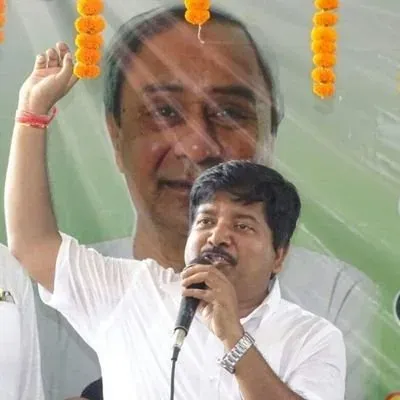
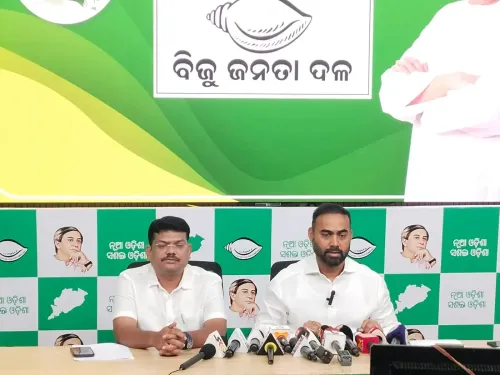
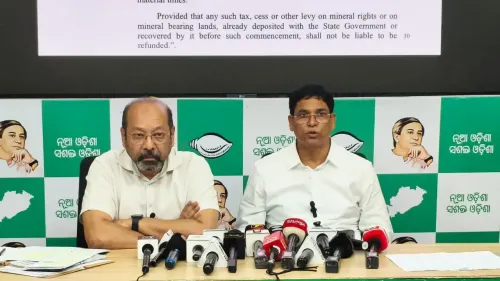
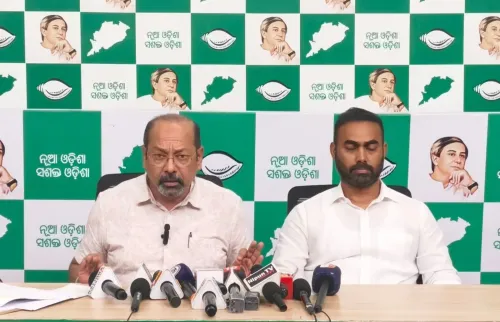
Opposition Chief Whip and senior BJD leader Pramila Mallik told reporters after the meeting that the party has submitted a formal motion seeking a detailed discussion on the MMDR Amendment. 'As the opposition, we, on behalf of the BJD, have demanded a discussion in the House on the losses suffered by the state due to the MMDR Amendment. We have submitted a motion demanding a detailed discussion on the issue,' Mallik said.
BJD's Demands and Conditions
Mallik further pressed the government to either allow a debate on the BJD's motion directly or facilitate a discussion through a motion of thanks. She noted that Speaker Padhy had assured her that the matter would be given due consideration, adding that the party's next steps — including the possibility of disruption — would depend entirely on the Speaker's ruling.
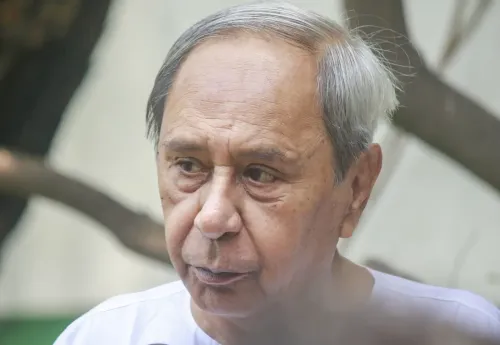
This is a significant development given that the BJD, under former Chief Minister Naveen Patnaik, governed Odisha for over two decades before losing power. Its pivot to aggressive Opposition tactics, including formal legislative motions, signals an attempt to rebuild political relevance through parliamentary accountability.
Congress Also Flags MMDR Concerns
The BJD is not alone in its concerns. Senior Congress MLA Ashok Das confirmed that the Congress will also raise the MMDR Amendment Act on the floor of the House during the session, alongside other issues of concern to Odisha's interests. This rare alignment between the BJD and the Congress on a legislative issue adds pressure on the ruling Bharatiya Janata Party (BJP) government to permit a substantive discussion.
Government's Position
Parliamentary Affairs Minister Mukesh Mahaling said the state government is prepared to engage with any issue raised during the session. 'Whatever Bills and issues come up during the session should be discussed constructively,' Mahaling said. On the MMDR Amendment specifically, he indicated that the final call rests with the Speaker. 'The matter is under the jurisdiction of the Speaker. The Speaker will decide the priority and the form in which the discussion will be allowed. Whatever form the Speaker permits, we are ready to discuss it,' he added.
Mahaling also noted that the Assembly has so far received notices for six Bills, with the Advisory Committee set to determine the priority order and time allocation for each.
What the MMDR Row Is About
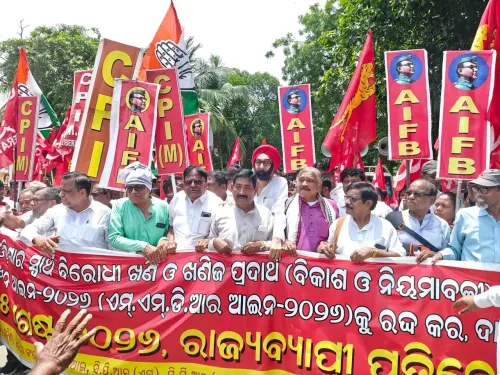
The MMDR Amendment Act has been a flashpoint between Odisha and the Centre, with the state government and Opposition both arguing that changes to the law have adversely affected Odisha's revenue share from its mineral resources — one of the state's most critical economic levers. Odisha is among India's most mineral-rich states, home to significant deposits of iron ore, coal, and bauxite. Critics of the amendment argue that it shifts the balance of benefit away from mineral-rich states, though the ruling government at the Centre has maintained that the revisions were necessary for broader sectoral reform. How the Speaker structures the debate — if at all — will set the tone for the rest of the nine-day session.
Point of View
Time-bound debate rather than a procedural adjournment motion — the quality of that space will determine whether the session produces any policy accountability or merely theatre. Given that Odisha's mineral revenues underpin its fiscal headroom, the outcome of this debate could have consequences beyond the Assembly chamber.
NationPress
21 Sept 2026
Frequently Asked Questions
What is the BJD's demand ahead of the Odisha monsoon session 2026?
The BJD has submitted a formal motion demanding a detailed floor discussion on the MMDR Amendment Act and the revenue losses it allegedly caused Odisha. The party's Opposition Chief Whip Pramila Mallik said the party's future legislative strategy will depend on whether the Speaker permits such a debate.
When does the Odisha Assembly monsoon session 2026 begin?
The seventh session of the 17th Odisha Assembly is scheduled to begin on 22 September 2026 and continue until 3 October 2026, covering nine working days.
What is the MMDR Amendment and why is it controversial in Odisha?
The Mines and Minerals (Development and Regulation) Amendment Act revised the federal framework governing India's mineral sector. Critics in Odisha, including the BJD and Congress, argue the changes have reduced the state's share of mineral revenues, adversely affecting one of the state's most significant income sources.
What was the government's response to the MMDR discussion demand?
Parliamentary Affairs Minister Mukesh Mahaling said the state government is ready to discuss the issue in whatever form the Speaker permits. He clarified that the priority and format of the discussion are at the Speaker's discretion.
How many Bills are expected during the Odisha Assembly session?
As of the all-party meeting on 21 September, the Assembly had received notices for six Bills. The Advisory Committee will determine the priority and time allocation for each during the nine-day session.