CM Mohan Yadav Hosts Tribal Representatives Conference in Bhopal
Synopsis
Chief Minister Dr. Mohan Yadav convened a Tribal Representatives Conference at his Bhopal residence on November 5, 2026, reaffirming the Madhya Pradesh government's commitment to tribal dignity, rights, education, and all-round development.
Key Takeaways
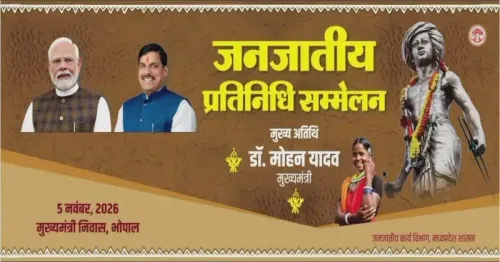
Mohan Yadav hosted the Tribal Representatives Conference (जनजातीय प्रतिनिधि सम्मेलन) at the Chief Minister's residence, Bhopal , on November 5, 2026 .
The CM pledged continuous state commitment to tribal dignity, rights, education, employment, and all-round development .
Madhya Pradesh has one of India's largest Scheduled Tribe populations, making this a politically and developmentally significant pledge.
The state has maintained a Tribal Sub-Plan since the Fifth Five Year Plan era to ring-fence resources for tribal-majority districts.
The constitutional mandate under Articles 46 and 275 underpins central and state obligations toward Scheduled Tribe welfare.
Budget allocations and new scheme guidelines for tribal education and employment in the next fiscal cycle remain the key metrics to watch.
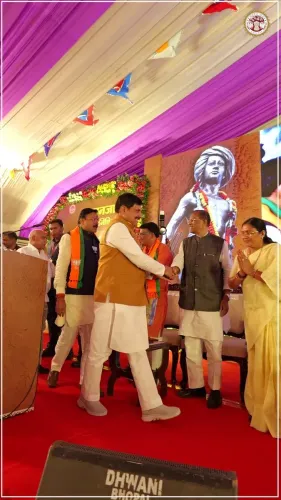
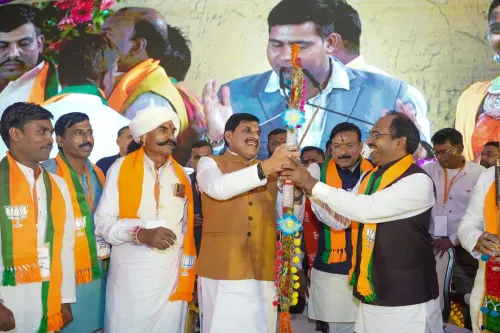
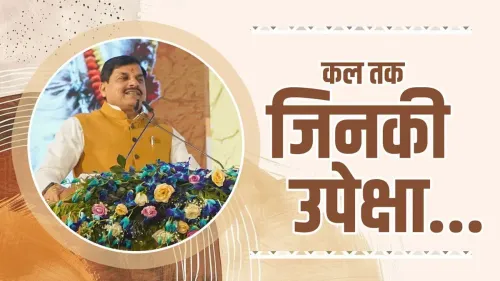
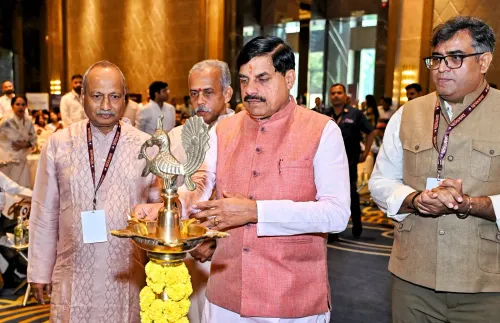
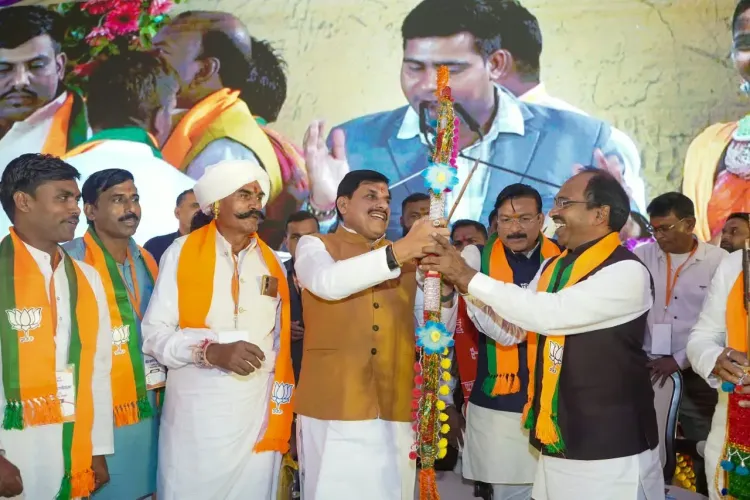
Tribal empowerment moved from a policy pledge to a public platform on Thursday, November 5, 2026, as Chief Minister Dr. Mohan Yadav convened a जनजातीय प्रतिनिधि सम्मेलन (Tribal Representatives Conference) at the Chief Minister's residence in Bhopal — a signal from the Madhya Pradesh government that it intends to keep the state's large Scheduled Tribe population at the centre of its governance agenda.
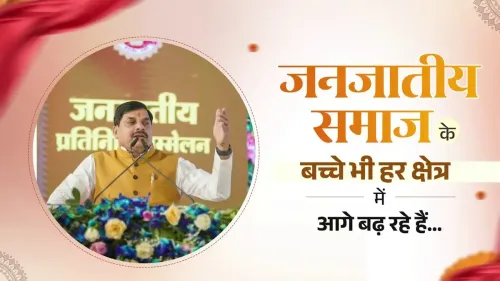
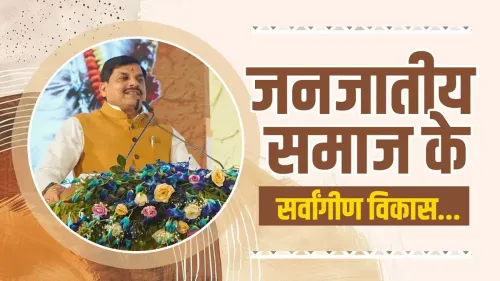
Addressing the gathering, Dr. Yadav stated that the state government 'is continuously committed to the dignity, rights, education, employment and all-round development of the tribal community.' The conference brought tribal representatives directly into the Chief Minister's residence, a deliberate setting that underscored the administration's framing of this as a matter of honour, not merely administration.
MP's Tribal Population and the Weight of the Promise
Madhya Pradesh is home to one of the largest Scheduled Tribe populations of any Indian state, making tribal welfare not a niche concern but a defining political and developmental question. Successive state governments have maintained a Tribal Sub-Plan — a ring-fenced budget mechanism dating to the Fifth Five Year Plan era — specifically to channel resources into tribal-majority districts for education, livelihoods, and infrastructure. The constitutional foundation runs deep: Articles 46 and 275 of the Indian Constitution mandate promotion of Scheduled Tribe interests and special central grants to states for that purpose.
Dr. Yadav, who took charge as Chief Minister in December 2023, has consistently framed inclusive development — with explicit emphasis on tribal communities — as a cornerstone of his administration's public identity. The सम्मेलन (conference) format, drawing representatives from across the state to a single high-visibility forum, is a recognisable tool for signalling political priority and gathering ground-level feedback simultaneously.
Four Pillars: Dignity, Rights, Education, Employment
The Chief Minister's remarks carved out four explicit areas of focus: dignity (सम्मान), rights (अधिकार), education (शिक्षा), and employment (रोजगार). That sequencing matters. Placing dignity and rights ahead of economic deliverables signals a framing that goes beyond welfare-as-subsidy toward recognition-as-policy — a distinction that tribal advocacy groups have long pressed for across India.
Watchers of the state's budget cycle will note that the real test of these commitments arrives with the next fiscal allocation, when scheme guidelines for tribal education and employment translate words into rupees. The Madhya Pradesh Tribal Welfare Department remains the primary institutional vehicle for that translation.
Point of View
Letting the administration map ground-level grievances before they calcify into opposition narratives. Whether the rhetoric converts into measurable budgetary moves in the next fiscal year will determine whether this sम्मेलन is remembered as a turning point or a photo opportunity.
NationPress
6 Nov 2026
Frequently Asked Questions
What is the जनजातीय प्रतिनिधि सम्मेलन in Madhya Pradesh?
It is a Tribal Representatives Conference convened by Chief Minister Dr. Mohan Yadav at the Chief Minister's residence in Bhopal on November 5, 2026, to discuss tribal empowerment, rights, education, and employment with community representatives from across the state.
What did CM Mohan Yadav say about tribal welfare?
Dr. Mohan Yadav stated that the Madhya Pradesh government is continuously committed to the dignity, rights, education, employment, and all-round development of the tribal community.
What is the Tribal Sub-Plan in Madhya Pradesh?
The Tribal Sub-Plan is a budget mechanism introduced during the Fifth Five Year Plan era that ring-fences state resources specifically for the development of tribal-majority districts in Madhya Pradesh.
Which constitutional articles protect tribal welfare in India?
Articles 46 and 275 of the Indian Constitution mandate the state to promote the educational and economic interests of Scheduled Tribes and provide special central grants to states for tribal welfare.
How large is the tribal population in Madhya Pradesh?
Madhya Pradesh has one of the largest Scheduled Tribe populations of any state in India, making tribal welfare a central concern of state governance and electoral politics.