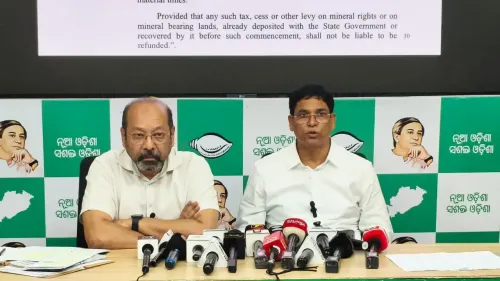
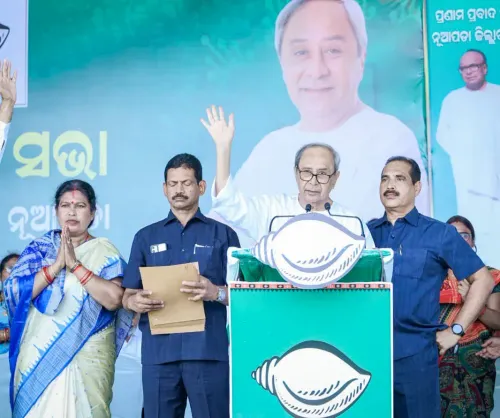
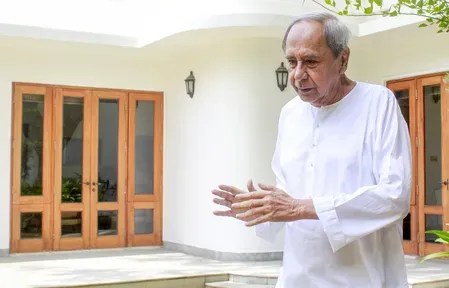
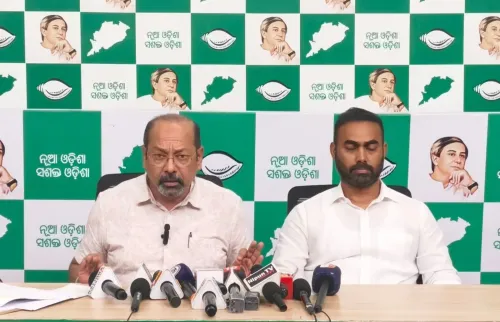
Naveen Patnaik slams MMDR Bill 2026, calls Aug 13 a 'black day' for Odisha
Synopsis
Naveen Patnaik's letter to Odisha's BJP MPs is more than a political rebuke — it is a states' rights alarm. With Odisha holding 44% of India's mineral wealth and potentially losing ₹12,000 crore annually under the MMDR Amendment, Patnaik is framing the bill as a historic dispossession, passed in under ten minutes of Lok Sabha debate, and daring the BJP's own MPs to choose Odisha over party.
Key Takeaways
BJD chief Naveen Patnaik wrote to Odisha BJP MPs on 29 August , condemning their support for the MMDR Amendment Bill, 2026 .
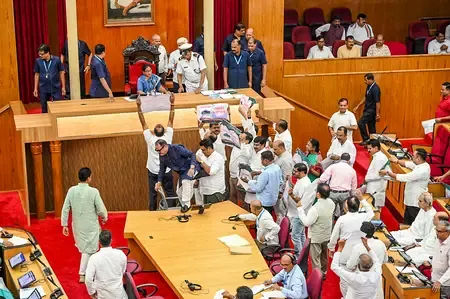
The bill was passed in the Lok Sabha on 13 August with less than ten minutes of debate, according to Patnaik.
The legislation restricts states from imposing differential taxes and cesses on mineral rights and mineral-bearing lands.
Patnaik estimates an annual revenue loss of more than ₹12,000 crore for Odisha, compounding to lakhs of crores over time.
Odisha accounts for nearly 44 per cent of India's mineral wealth, making it among the most exposed states to the amendment.
Patnaik urged BJP MPs to demand a reversal, warning that 'history will judge' them by whether they stood up for Odisha.
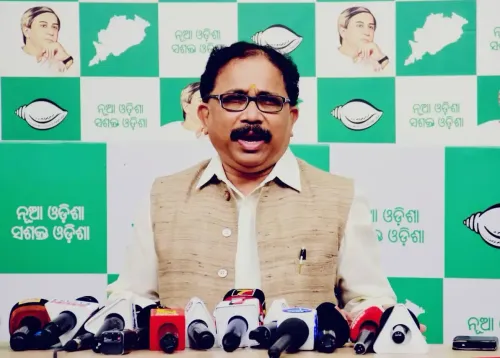
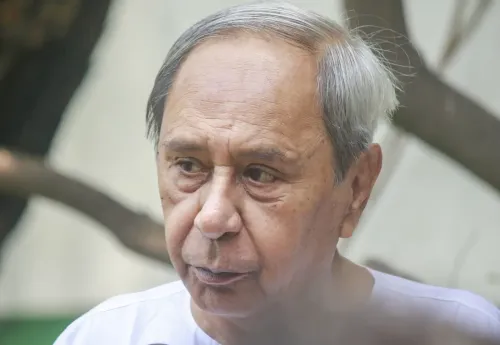
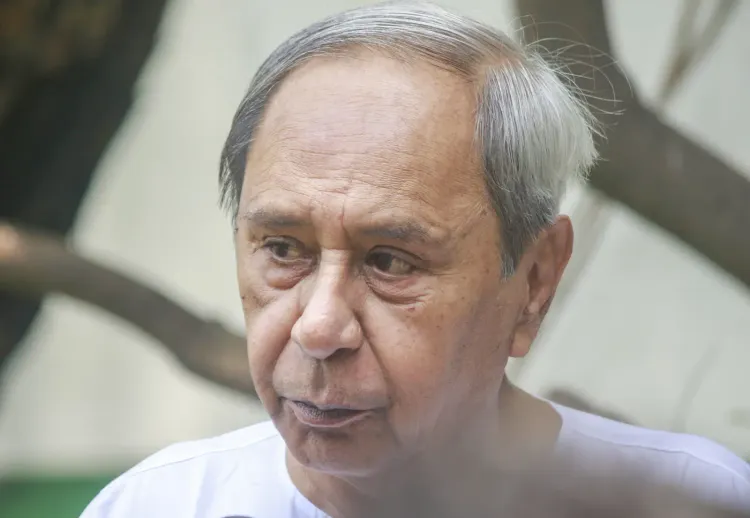
Biju Janata Dal (BJD) chief and Leader of Opposition in the Odisha Assembly, Naveen Patnaik, on Saturday, 29 August, wrote a sharp open letter to Odisha's BJP Members of Parliament, condemning their support for the Mines and Minerals (Development and Regulation) Amendment Bill, 2026 — passed in the Lok Sabha on 13 August — and calling the day a 'black day' for the state. Patnaik warned that the legislation carries 'far-reaching adverse implications' for Odisha's people and its resource-dependent future.
What the MMDR Amendment Bill Changes
The Mines and Minerals (Development and Regulation) Amendment Bill, 2026 was passed by Parliament during the Monsoon Session with provisions designed to restrict state governments from imposing differential taxes, cesses, and levies on mineral rights and mineral-bearing lands. Critics argue this effectively strips states of a key fiscal lever over their own natural resources.
Patnaik pointed out that the bill cleared the Lok Sabha with less than ten minutes of debate — a procedural concern that he said was disproportionate to the scale of its consequences for mineral-rich states like Odisha.
Odisha's Stake in India's Mineral Economy
The BJD chief underscored that Odisha accounts for nearly 44 per cent of India's mineral wealth and has been a foundational contributor to the country's steel, power, mining, and infrastructure sectors for decades. He argued that the amendment, in a 'single legislative stroke', removes state control over minerals and mineral-bearing lands — a move he described as historically consequential.
According to Patnaik, the legislation could result in an estimated annual revenue loss of more than ₹12,000 crore to Odisha — a figure he said could compound to lakhs of crores of rupees over time. He also flagged the human cost: communities bearing the burden of pollution, displacement, and environmental degradation from mining would lose the state's capacity to compensate or protect them adequately.
Patnaik's Charge Against BJP MPs
In his letter, Patnaik directly challenged the Odisha BJP MPs' accountability to their constituents. 'The people of Odisha elected you in good faith to protect and further their interests,' he wrote, adding that voting in favour of the bill amounted to a betrayal of that mandate.
He described the MMDR Amendment as an 'injustice to the children and youth of Odisha, whose future is linked to the resources and opportunities of this state' — and extended that framing to the state's broader aspiration of becoming 'an empowered state capable of determining its own future.'
Invoking historical accountability, Patnaik warned: 'History will judge you not by the party you stood with, but by whether you stood up for Odisha when it mattered most.' He called on the MPs to challenge the amendment and demand its reversal.
Political Context and What Comes Next
The letter marks one of Patnaik's most direct confrontations with the Bharatiya Janata Party (BJP) since the BJD lost power in Odisha in the 2024 state elections. Now heading the principal opposition, Patnaik is positioning the MMDR amendment as a states' rights issue — one that cuts across party lines and appeals to regional sentiment.
This comes amid a broader national debate over Centre-state fiscal relations, with several non-BJP-governed states also raising concerns about the bill's implications. Whether Odisha's BJP MPs respond to Patnaik's appeal — or the BJP government revisits the provisions — will be closely watched in the coming weeks.
Point of View
But the underlying grievance is substantive. Passing a bill with sweeping Centre-state fiscal implications in under ten minutes of Lok Sabha debate is a legitimate procedural concern, not just opposition rhetoric. Odisha's 44% share of national mineral wealth means any dilution of state levying power hits it harder than virtually any other state — and ₹12,000 crore in projected annual losses is not a figure that can be waved away. The deeper issue is structural: the MMDR amendment continues a decade-long pattern of the Centre consolidating control over revenue streams that states depend on to fund welfare and infrastructure. Whether Odisha's BJP MPs act on Patnaik's appeal is unlikely — but the letter puts them on record, and that is precisely the point.
NationPress
13 Oct 2026
Frequently Asked Questions
What is the MMDR Amendment Bill 2026 and why is it controversial?
The Mines and Minerals (Development and Regulation) Amendment Bill, 2026 restricts state governments from imposing differential taxes, cesses, and levies on mineral rights and mineral-bearing lands. Critics, including BJD chief Naveen Patnaik, argue it strips mineral-rich states like Odisha of fiscal control over their own natural resources, passed with less than ten minutes of Lok Sabha debate during the Monsoon Session.
Why does Naveen Patnaik call 13 August a 'black day' for Odisha?
Patnaik calls 13 August a 'black day' because that is when the MMDR Amendment Bill was passed in the Lok Sabha with the support of Odisha's BJP MPs. He argues the legislation — rushed through in under ten minutes of debate — will cost Odisha more than ₹12,000 crore annually and remove state control over its mineral wealth.
How much revenue could Odisha lose under the MMDR Amendment?
According to Naveen Patnaik, the amendment could result in an estimated annual revenue loss of more than ₹12,000 crore for Odisha. He warned this figure could translate into lakhs of crores of rupees in cumulative losses over time, significantly affecting the state's capacity to fund public services.
What share of India's mineral wealth does Odisha hold?
Odisha accounts for nearly 44 per cent of India's mineral wealth, according to Patnaik's letter. The state has been a major contributor to India's steel, power, mining, and infrastructure sectors for decades, making it among the most affected by any change to mineral taxation policy.
What is Naveen Patnaik asking Odisha's BJP MPs to do?
Patnaik is appealing to Odisha's BJP MPs to challenge the MMDR Amendment and call for a reversal of the provisions that curtail state government powers over mineral rights. He invoked historical accountability, urging them to prioritise Odisha's interests over party loyalty.