Afghan police bust meth lab, seize 48 kg of crystal meth in Uruzgan
Synopsis
Afghan police have dismantled a meth lab and seized 48 kg of crystal methamphetamine in Uruzgan — but the more alarming figure is the 23,000 kg of drug precursor chemicals recovered separately in Helmand and Ghazni, pointing to organised industrial-scale synthetic drug production networks operating across Afghanistan's south and east.
Key Takeaways
Afghan police raided a clandestine drug lab in Uruzgan province on 20 September , seizing 48 kg of crystal methamphetamine.
Separate operations netted 23,000 kg of drug precursor chemicals in Helmand and Ghazni provinces.
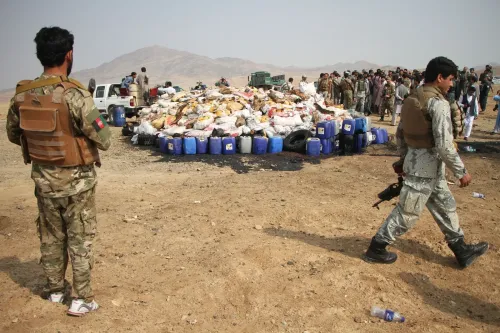
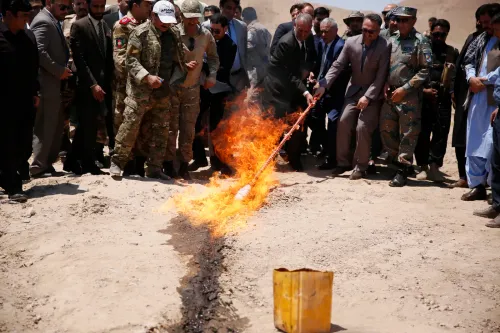
On 27 August , Afghan police burned over 2.5 tonnes of narcotics — including 2,000 kg of opium — in Takhar province .
A drug smuggler was arrested on 24 August in Wardak province with 48 kg of opium-type drugs concealed in a vehicle.
Six suspects were arrested on 8 August in Takhar province while allegedly transporting concealed narcotics; preliminary investigations are underway.
The ministry did not confirm any arrests in the Uruzgan raid but reiterated zero tolerance for drug production and trafficking.
Afghan police have dismantled a clandestine drug-processing laboratory and seized 48 kg of crystal methamphetamine in southern Uruzgan province, Afghanistan's Ministry of Interior Affairs announced on Sunday, 20 September. Acting on a tip-off, officers raided a site on the outskirts of the province, destroying the facility and recovering the illicit consignment, according to a ministry statement.
Key Developments
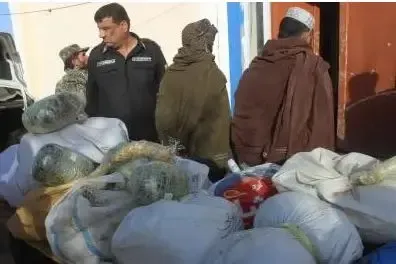
In separate operations conducted around the same period, counter-narcotics units confiscated an additional 23,000 kg of precursor materials used in drug manufacturing across southern Helmand and eastern Ghazni provinces. The sheer volume of precursor chemicals points to organised, large-scale drug production networks operating across Afghanistan's southern and eastern belts.
The ministry did not disclose whether any arrests were made in connection with the Uruzgan raid, but reiterated that police will not tolerate the production, trade, or trafficking of illegal narcotics anywhere in the country.
Pattern of Enforcement Operations
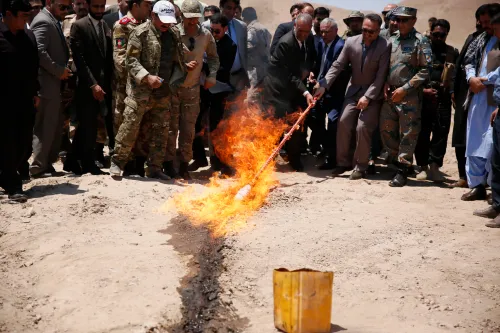
The latest bust is part of a sustained enforcement drive in recent weeks. On 27 August, Afghan police burned more than 2.5 tonnes of illicit narcotics in northern Takhar province. The destroyed stockpile included 2,000 kg of opium, 335 kg of hashish, and over 200 kg of methamphetamine, according to provincial police office spokesman Naqibullah Masroor, who warned of stern action against anyone producing or trafficking narcotics in the province.
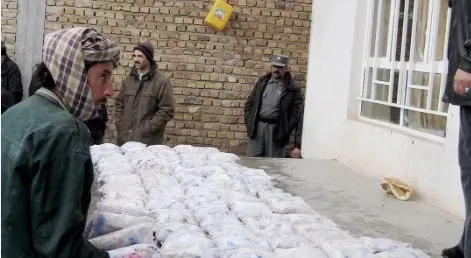
On 24 August, police in eastern Wardak province seized 48 kg of opium-type drugs from a vehicle and detained its driver, who was reportedly attempting to move the contraband from northern Balkh province to western Farah before onward trafficking to an unknown destination. A tip-off led officers to intercept the vehicle.
Earlier Raids in August
On 22 August, police in northern Takhar province reported the recovery of 190 kg of opium and the arrest of a drug smuggler. Just days earlier, on 8 August, officers in Takhar seized an undisclosed quantity of narcotics and arrested six individuals who were allegedly transporting drugs concealed inside vehicles. Those cases were referred to relevant authorities, with preliminary investigations reportedly underway, according to provincial police spokesman Nizamuddin Omir.
Broader Context
Afghanistan has historically been the world's largest producer of opium, and the country's drug trade has increasingly diversified into synthetic narcotics such as methamphetamine in recent years. The growing seizures of precursor chemicals — materials used to manufacture synthetic drugs — suggest that production capacity is being built or sustained despite enforcement pressure. Critics argue that without addressing underlying economic drivers and cross-border trafficking networks, isolated laboratory busts and seizure operations offer only a partial solution to the country's entrenched narcotics problem.
How effectively Afghanistan's security apparatus can disrupt supply chains at scale, rather than individual nodes, will be the defining measure of these operations going forward.
Point of View
000-kg precursor seizure reveal a critical and underreported shift: Afghanistan's drug trade is no longer solely an opium story. The pivot toward synthetic methamphetamine production requires far less agricultural infrastructure, making it harder to eradicate and more lucrative per kilogram. Enforcement operations that destroy individual labs without dismantling supply chains or precursor import routes risk being asymmetric — visible in output but limited in structural impact. The absence of any arrest disclosure for the Uruzgan raid also raises accountability questions that deserve scrutiny.
NationPress
20 Sept 2026
Frequently Asked Questions
What did Afghan police seize in the Uruzgan province raid?
Afghan police dismantled a clandestine drug-processing laboratory and seized 48 kg of crystal methamphetamine in southern Uruzgan province on 20 September. The raid was conducted on a tip-off, and the facility was destroyed.
How much precursor material was recovered in the separate operations?
Counter-narcotics units confiscated 23,000 kg of precursor chemicals used in drug manufacturing in southern Helmand and eastern Ghazni provinces. These materials are used to produce synthetic narcotics such as methamphetamine.
Were any arrests made in connection with the Uruzgan drug lab bust?
Afghanistan's Ministry of Interior Affairs did not disclose whether any arrests were made in the Uruzgan raid. The ministry reiterated its zero-tolerance stance on the production, trade, and trafficking of illegal narcotics.
What other major drug seizures has Afghanistan reported recently?
On 27 August, Afghan police burned over 2.5 tonnes of narcotics in Takhar province, including 2,000 kg of opium and 200 kg of methamphetamine. On 24 August, a drug smuggler was arrested in Wardak province with 48 kg of opium-type drugs, and on 22 August, police seized 190 kg of opium in Takhar province.
Why is the rise of methamphetamine production significant in Afghanistan?
Afghanistan has long been the world's dominant opium producer, but a growing shift toward synthetic drugs like crystal methamphetamine signals a structural change in its narcotics economy. Synthetic drug production requires fewer agricultural inputs, making it harder to detect and disrupt compared to poppy cultivation.