CBSE Talkathon 2026: Friendship and passion as frontline tools against youth drug abuse
Synopsis
At a CBSE Talkathon in New Delhi, students, psychiatrists, and NCB officials converged on a striking consensus: the most powerful drug-prevention tools are not government campaigns but genuine friendships, safe school spaces, and passions that give young people a real 'kick' — with experts warning that even a single use of today's synthetic drugs can permanently damage an adolescent brain.
Key Takeaways
A CBSE Talkathon on 20 September 2026 in New Delhi brought together school leaders, AIIMS psychiatrists, NCB officials, and students to discuss youth drug prevention.
Nand Kumar of AIIMS New Delhi warned that drugs hijack the brain's reward circuit, making supportive peer environments more effective than awareness lectures alone.
NCB Additional Director Anish C cautioned that modern synthetic drugs are highly potent — even a single use can severely damage a developing brain.
Student speakers Rohit and Samya emphasised quiet peer support and reassurance over condemnation for those struggling with substance use.
Panellists stressed the need for safe school spaces and early, age-appropriate conversations to counter the social normalisation of alcohol, hookah, and vapes.
The NCB helpline 1933 was highlighted as a key early-reporting channel under the Nasha Mukt Yuva initiative.
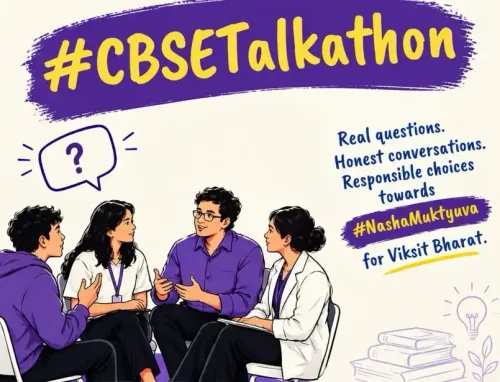
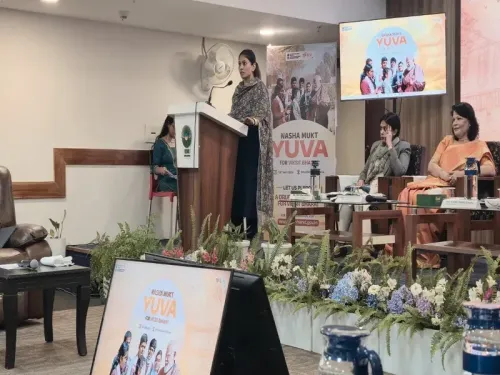
Friendship, positive peer influence, and the active pursuit of genuine passions emerged as the most effective shields against substance abuse at a CBSE Talkathon held in New Delhi on 20 September 2026, bringing together school principals, psychiatry experts, narcotics officials, and students in a wide-ranging conversation on building a Nasha Mukt Yuva.
Experts Explain the Science of Addiction
Prof. Nand Kumar, from the Department of Psychiatry at AIIMS New Delhi, explained that every drug hijacks the brain's reward circuit, generating intense pleasure that everyday activities simply cannot replicate. He stressed that supportive environments — not lectures alone — and the courage to say 'no' are what genuinely protect developing minds. His remarks underlined a growing clinical consensus that peer environment shapes behaviour far more than information campaigns.
Anish C, Additional Director of the Narcotics Control Bureau (NCB), issued a sharp warning: illicit drugs in circulation today are largely synthetic and highly potent, with even a single instance of use capable of causing severe damage to an adolescent brain. He urged young people to find their real 'kick' in sports, creative pursuits, and extra-curricular activities.
Students Lead the Conversation
Class 12 student Rohit articulated a nuanced understanding of peer responsibility, saying a true friend's role is to understand the underlying mental stress or peer pressure that pushes someone toward substances — and then offer quiet, steady support, involving trusted adults or school authorities when needed.
Classmate Samya made a pointed observation: condemnation only isolates users further, while reassurance — 'You are not alone; we will support you' — builds community resilience. Both students' interventions drew applause from the panel, reinforcing the view that student-led campaigns carry greater credibility among peers than adult-driven ones.
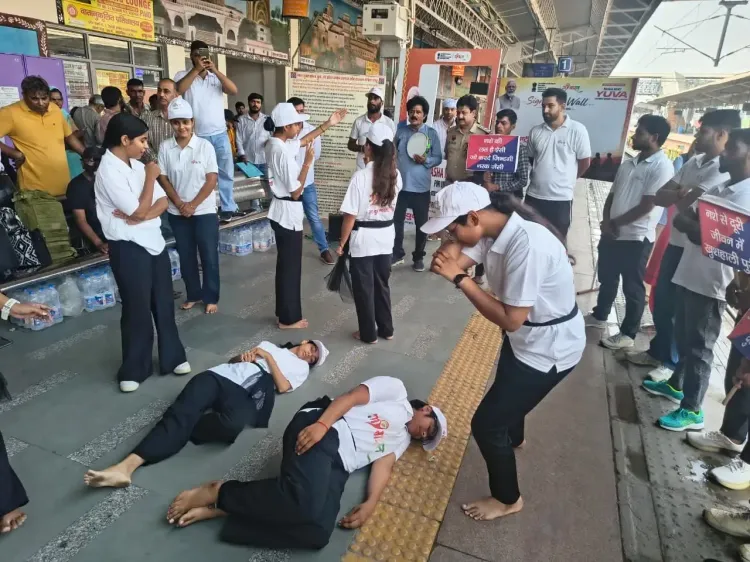
Principal Alka Awasthi of Mayur School, Noida, joined students in showcasing posters designed by schoolchildren bearing messages such as 'Healthy Youth Equal to Strong Nation', 'Break the Roots of Habit Before They Break You', and 'Wipe Out the Drugs Before They Wipe You Out.'
The Social Normalisation Problem
The panel raised particular concern about the normalisation of alcohol, hookah, and vapes at parties and weddings. Experts observed that adolescent brains are still developing impulse-control capacities, and exposure at this stage directly interferes with healthy neurological growth. They recommended that schools initiate age-appropriate conversations early enough for young people to themselves influence adults around them to change harmful social practices — a form of reverse peer pressure that panellists said has been underutilised.
Safe Spaces and What Comes Next
A recurring theme across the session was the critical importance of safe spaces — environments where students can ask questions and seek help without fear of harsh consequences. Panellists noted that non-verbal gestures of support, such as a reassuring presence, often open doors to disclosure more effectively than words. Willpower to refuse substances, they added, strengthens measurably when young people are surrounded by friends who actively respect boundaries.
The Talkathon concluded with a collective call to advance the vision of a 'Nasha Mukt Yuva' for a developed India, combining awareness campaigns, strong peer networks, early reporting through channels such as the NCB helpline 1933, and the courage to seek help without embarrassment.
Point of View
And policymakers appear to know it. The emphasis on 'safe spaces' implicitly acknowledges that schools have historically been places of punishment rather than disclosure, a structural failure no poster campaign can fix. The social normalisation of alcohol and hookah at weddings and parties is the elephant in the room that adults rarely address with the same urgency they bring to illicit drugs. Until that double standard is confronted honestly, student-led campaigns risk being seen as performance rather than policy.
NationPress
21 Sept 2026
Frequently Asked Questions
What is the CBSE Talkathon on Nasha Mukt Yuva?
The CBSE Talkathon is a structured dialogue session that brought together school principals, medical experts from AIIMS, Narcotics Control Bureau officials, and Class 12 students in New Delhi on 20 September 2026 to discuss practical strategies for preventing youth substance abuse. It forms part of the broader Nasha Mukt Yuva initiative aimed at building a drug-free young India.
What did AIIMS psychiatrist Prof. Nand Kumar say about drug addiction?
Prof. Nand Kumar explained that every drug hijacks the brain's reward circuit, producing intense pleasure that ordinary activities cannot match. He stressed that supportive peer environments and the courage to say 'no' protect young minds more effectively than information lectures alone.
What warning did the NCB official issue about modern drugs?
NCB Additional Director Anish C warned that illicit drugs in circulation today are largely synthetic and highly potent, with even a single use capable of severely damaging a developing adolescent brain. He urged students to seek their 'kick' from sports and creative pursuits instead.
Why do experts say safe spaces matter in schools?
Panellists at the Talkathon stressed that children will not seek help if they fear punishment or judgment. Safe spaces — environments where students can ask questions without harsh consequences — and non-verbal gestures of support were identified as more effective than formal counselling sessions in encouraging early disclosure.
How can students or parents report drug-related concerns?
The panel highlighted the NCB helpline 1933 as a key early-reporting channel. Students and parents can use it to seek guidance or report concerns confidentially as part of the Nasha Mukt Yuva outreach framework.