Chadivayal Elephant Camp near Coimbatore to open for eco-tourism
Synopsis
A ₹8 crore elephant rehabilitation centre near Coimbatore's Siruvani foothills is on the verge of opening to tourists — and its star resident is a former crop-raider nicknamed 'Arisi Raja', now being trained to drive wild elephants away from farmlands. If approved, Chadivayal could reshape eco-tourism along one of Tamil Nadu's busiest weekend routes.
Key Takeaways
The Tamil Nadu Forest Department is preparing a proposal to open the Chadivayal Elephant Camp near Coimbatore to eco-tourists.
The facility was built at a cost of ₹8 crore and can accommodate up to 18 elephants ; it currently houses four .
The camp is located on the route to Kovai Kutralam waterfalls , which draws up to 2,000 visitors on weekends .
The proposed visitor model will follow the regulated-access pattern at Theppakadu and Kozhikamuthi elephant camps.
Resident elephant Muthu ('Arisi Raja'), 24 , is being trained as a kumki elephant for conflict-mitigation duties in Coimbatore district.
The Forest Department plans to bring more elephants to Chadivayal in the coming months .
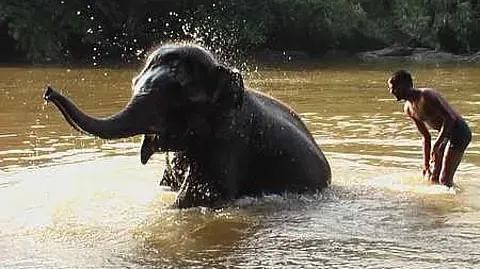
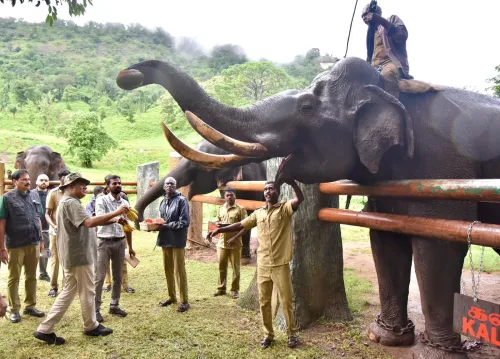
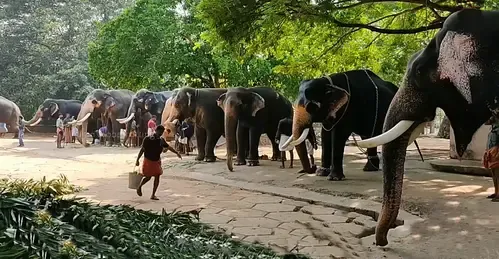
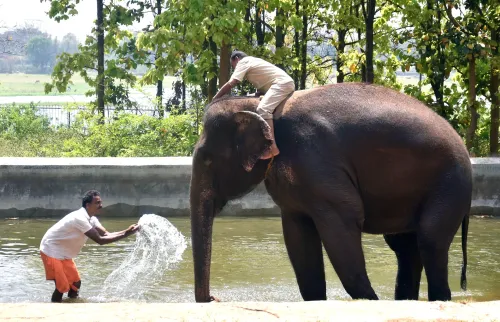
The Tamil Nadu Forest Department is finalising a proposal to open the Chadivayal Elephant Camp, situated near the Siruvani foothills in Coimbatore district, to the public — allowing visitors to watch captive elephants being fed and bathed in a regulated setting. If approved, the facility is poised to become a significant eco-tourism draw in the region while advancing awareness about elephant conservation and human-elephant conflict management.
A ₹8 Crore Facility Built for Rehabilitation
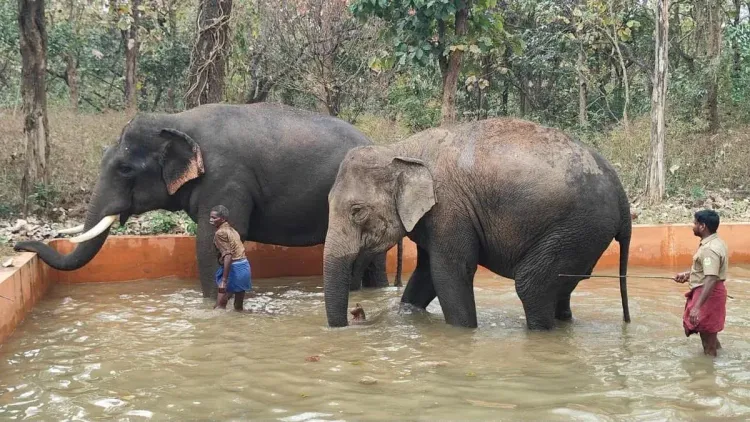
Developed at a cost of ₹8 crore and inaugurated by former Deputy Chief Minister Udhayanidhi Stalin, the Chadivayal camp has been transformed into a modern captive elephant rehabilitation and conflict-management centre. The facility can accommodate up to 18 elephants and is equipped with elephant shelters, mahout quarters, bathing areas, a natural pond, a kraal for training, and dedicated kitchens for preparing specialised diets. At present, the camp houses four elephants.
Strategic Location Along a Popular Tourist Route
The camp sits on the route to the Kovai Kutralam waterfalls, a destination that draws an estimated 2,000 visitors on weekends and around 500 on weekdays, according to forest officials. Authorities believe that integrating the elephant camp into the tourism circuit will substantially enhance the area's appeal. However, because Kovai Kutralam operates between 10 a.m. and 4.30 p.m. and the elephants are typically fed at 8.30 a.m. and 5.30 p.m., officials are exploring adjusted viewing schedules so tourists can safely witness feeding and bathing sessions without disrupting the animals' welfare.
The Model: Regulated Access, Welfare First
Chief Conservator of Forests and Field Director of the Anamalai Tiger Reserve, D. Venkatesan, confirmed that officials and veterinarians are actively discussing the modalities for regulated public access. The proposed framework is expected to mirror the approach adopted at the Theppakadu Elephant Camp in Mudumalai and the Kozhikamuthi Elephant Camp in the Anamalai Tiger Reserve, where tourists observe elephants only during designated hours under supervised conditions.
Meet the Residents: Four Elephants With Distinct Histories
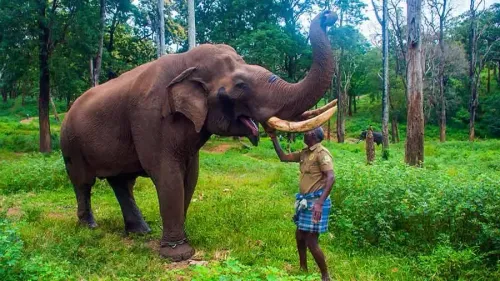
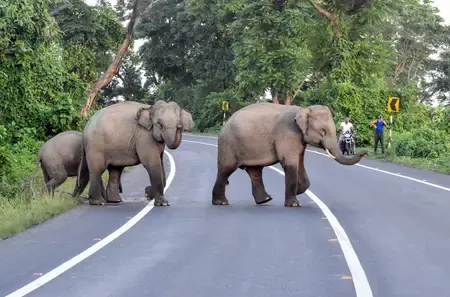
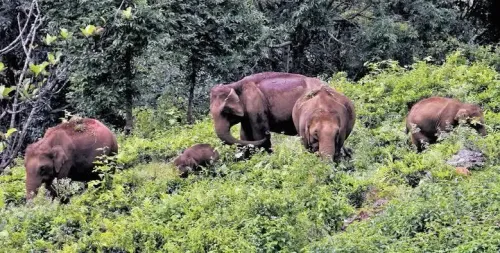
Muthu, a 24-year-old male elephant transferred from the Kozhikamuthi Elephant Camp, is among the camp's most notable residents. Previously nicknamed 'Arisi Raja' after repeatedly straying into human settlements near Pollachi in search of food, Muthu is now undergoing training as a kumki elephant — a role that will see him assist in driving wild elephants away from farmlands and residential areas in Coimbatore district.
Kaveri, a 17-year-old female also brought from Kozhikamuthi, will remain at the camp for care and management and will not be deployed for conflict-mitigation duties. John, a 35-year-old male transferred from Theppakadu, has prior experience managing human-elephant conflict along Coimbatore's forest fringes. Sumangala, an adult female rescued as an orphaned calf in 1988 and shifted from Mudumalai after recovering from a leg injury, rounds out the current cohort.
What Comes Next
The Forest Department plans to bring additional elephants to Chadivayal in the coming months. Officials maintain that public access, if implemented carefully, will not only deliver a distinctive wildlife experience but also educate visitors on the realities of elephant rehabilitation and the ongoing challenges of managing human-elephant conflict across Tamil Nadu. A formal proposal is awaiting approval before any visitor schedule is announced.
Point of View
And any compromise that bends elephant routines to suit visitor convenience risks the welfare standards the facility was built to uphold. The Theppakadu model works because it was designed with tourism in mind from the outset; Chadivayal was not. Whether officials can thread that needle will determine if this becomes a genuine conservation asset or just another photo-op stop on a weekend drive.
NationPress
20 Oct 2026
Frequently Asked Questions
What is the Chadivayal Elephant Camp and where is it located?
The Chadivayal Elephant Camp is a captive elephant rehabilitation and conflict-management centre built at a cost of ₹8 crore, situated near the Siruvani foothills in Coimbatore district, Tamil Nadu. It lies on the route to the popular Kovai Kutralam waterfalls and can house up to 18 elephants.
Why is the Tamil Nadu Forest Department planning to open the camp to tourists?
Officials believe the camp's location on a busy tourist route — Kovai Kutralam draws up to 2,000 visitors on weekends — makes it well-placed to become an eco-tourism attraction. The Forest Department also hopes public access will raise awareness about elephant conservation and the challenges of managing human-elephant conflict in Tamil Nadu.
Who is 'Arisi Raja' and what is his role at the camp?
'Arisi Raja' is the nickname for Muthu, a 24-year-old male elephant who repeatedly strayed into human settlements near Pollachi in search of food before being captured and transferred to Chadivayal. He is now being trained as a kumki elephant to help drive wild elephants away from farmlands and residential areas in Coimbatore district.
Which other elephant camps is the Chadivayal visitor model based on?
The proposed model is expected to follow the regulated-access framework at the Theppakadu Elephant Camp in Mudumalai and the Kozhikamuthi Elephant Camp in the Anamalai Tiger Reserve, where tourists observe elephants only during designated hours under supervised conditions.
Has the proposal been approved, and when will visitors be allowed in?
As of now, the proposal is still being finalised and has not received formal approval. Chief Conservator of Forests D. Venkatesan has confirmed that officials and veterinarians are working out the modalities for regulated access, including a visitor schedule that does not disrupt the elephants' daily routines.