TN farmers oppose elephant camp revival at Thekkampatti, cite corridor risk
Synopsis
A ₹3 crore state-funded elephant rejuvenation camp near Mettupalayam sits on a wild elephant migration corridor — and farmers from seven villages say reviving it during breeding season, amid drought, could be the spark that turns a simmering human-elephant conflict into a crisis.
Key Takeaways
The Tamil Nadu government has allocated ₹3 crore to revive the elephant rejuvenation camp at Thekkampatti near Mettupalayam , unused for five years .
Farmers from Thekkampatti and Nellithurai panchayats warn the site lies within a wild elephant migration corridor and near key watering points.
Seven villages — including Dasanur , NG Pudur , RG Pudur , and Kittampalayam — are identified as being at heightened risk of elephant incursion.
The camp is planned during the breeding season and will house mainly female temple elephants, which farmers say could attract wild male elephants.
Drought conditions have already stressed farmland in the area; crop-damage compensation is reportedly delayed or inadequate.
Residents have urged the Forest Department to conduct an ecological and safety assessment and identify an alternative site.
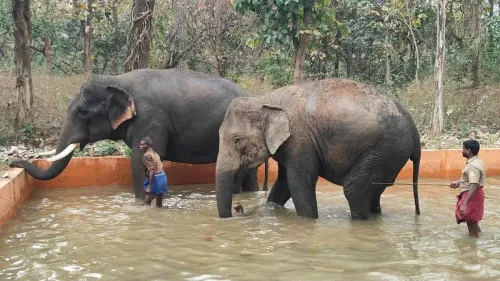
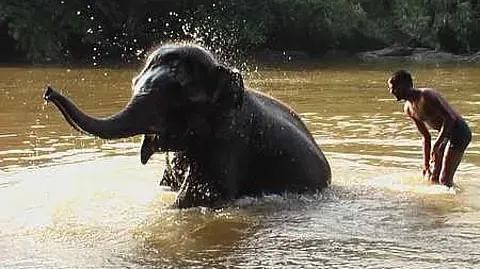
Farmers in Thekkampatti village near Mettupalayam, Coimbatore, have urged the Tamil Nadu government to relocate a proposed elephant rejuvenation camp, warning that restarting the facility on the banks of the Bhavani River could intensify human-elephant conflict in an already drought-stressed region. The appeal comes after the state's Hindu Religious and Charitable Endowments Minister recently announced in the Assembly that ₹3 crore had been allocated to revive the camp at Thekkampatti — a site that has remained unused for the past five years.
Why Farmers Are Alarmed
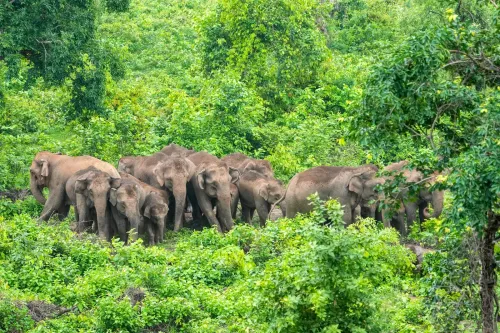
Residents of Thekkampatti and Nellithurai panchayats argue that the chosen site falls squarely within a traditional migration corridor used by wild elephant herds. The area also contains watering points that elephant groups regularly visit as they move through the forest landscape. Farmers warn that construction activity, temporary enclosures, and the surge in human presence associated with the camp could obstruct these established routes and cut off the animals' access to water.
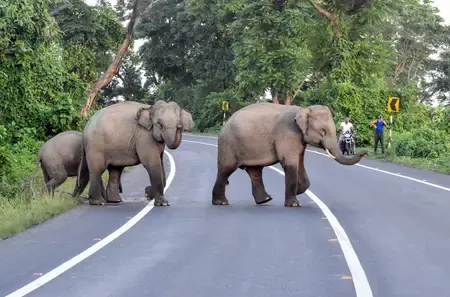
Should that happen, wild elephants may be forced to seek alternative passages through nearby settlements and agricultural fields. Villages identified as potentially at risk include Thekkampatti, Dasanur, NG Pudur, RG Pudur, Thottadasanur, Nellithurai, and Kittampalayam. According to local accounts, elephant straying from the forest already causes frequent crop raids and occasional attacks on residents across these areas.
Breeding Season and Wild Elephant Attraction
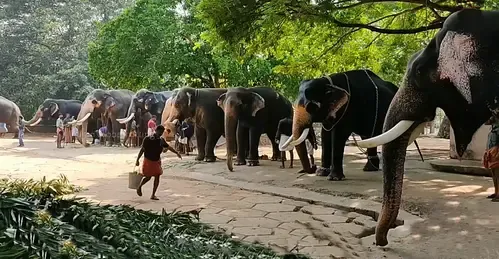
A separate concern centres on timing and composition. The camp is expected to be conducted during the breeding season and will predominantly house female temple elephants. Farmers fear that the presence of captive females could draw wild male elephants toward the campsite and adjoining farmlands, compounding the risk of dangerous encounters. Previous incidents in which wild elephants entered earlier editions of the rejuvenation camp and confronted captive elephants and mahouts have heightened community anxiety.
Drought, Crop Losses, and Compensation Gaps
Agricultural fields surrounding the proposed venue are already under severe stress due to prevailing drought conditions. Any uptick in elephant movement, farmers argue, would translate into further crop losses — losses for which compensation is reportedly often delayed or considered inadequate by affected growers. The economic vulnerability of the farming community makes the stakes of a poorly sited camp particularly acute.
Traffic and Safety Concerns
Beyond wildlife conflict, residents have flagged the prospect of serious traffic congestion on the Thekkampatti–Vanapathirakali Amman Temple road. The arrival of visitors, vehicles, and temporary roadside vendors during the camp period could disrupt local movement and, critically, slow emergency response times in an area where rapid evacuation may sometimes be necessary.
What Farmers Are Demanding
The farming community has formally requested the state government and the Forest Department to commission a thorough ecological and safety assessment before any work begins. They have also asked authorities to identify an alternative site — one that is clear of elephant corridors, villages, and cultivated land — to allow the rejuvenation programme to proceed without endangering either wildlife or livelihoods. The government is yet to publicly respond to the relocation demand.
Point of View
During breeding season, in a drought year, is a convergence of risk factors that wildlife managers should have caught before the Assembly announcement. Tamil Nadu has seen a steady rise in human-elephant conflict fatalities over the past decade; adding a flashpoint in a known corridor without an ecological audit is precisely the kind of administrative shortcut that turns preventable incidents into tragedies. The Forest Department owes these seven villages a transparent site-assessment report — not a post-hoc justification.
NationPress
8 Oct 2026
Frequently Asked Questions
Why are Thekkampatti farmers opposing the elephant rejuvenation camp?
Farmers say the proposed camp site on the banks of the Bhavani River falls within a traditional wild elephant migration corridor and near watering points used by elephant herds. They fear the camp will obstruct animal movement, pushing wild elephants into nearby settlements and farmland and worsening an already active human-elephant conflict zone.
How much has the Tamil Nadu government allocated for the camp?
The state's Hindu Religious and Charitable Endowments Minister announced in the Assembly that ₹3 crore has been set aside to restart the rejuvenation camp at Thekkampatti. The camp, which hosts temple and mutt elephants annually, has not been held at this location for the past five years.
Which villages could be affected if the camp goes ahead?
According to farmers, seven villages are at elevated risk: Thekkampatti, Dasanur, NG Pudur, RG Pudur, Thottadasanur, Nellithurai, and Kittampalayam. These areas already report frequent crop raids and occasional attacks by elephants straying from the forest.
Why is the breeding season timing a concern?
The camp is expected to operate during the breeding season and will house predominantly female temple elephants. Farmers apprehend that captive females could attract wild male elephants to the campsite and surrounding farmland, significantly raising the risk of dangerous encounters for both people and animals.
What are farmers asking the government to do?
Farmers have requested the Tamil Nadu government and the Forest Department to conduct a detailed ecological and safety assessment before restarting the programme. They are also asking authorities to identify an alternative site away from elephant corridors, villages, and cultivated land.