Bhupender Yadav visits Kozhikamudi Elephant Camp in Annamalai Reserve
Synopsis
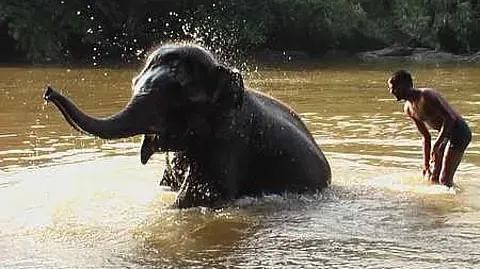
Union Environment Minister Bhupender Yadav visited Kozhikamudi Elephant Camp in Tamil Nadu's Annamalai Tiger and Elephant Reserve on 9 July 2026, interacting with Malasar mahouts who carry a century-old tradition of captive elephant care inside the Annamalai hills forests.
Key Takeaways
Union Environment Minister Bhupender Yadav visited Kozhikamudi Elephant Camp on 9 July 2026 .
The camp is located inside the Annamalai Tiger and Elephant Reserve in Tamil Nadu and has maintained captive elephants for nearly 100 years .
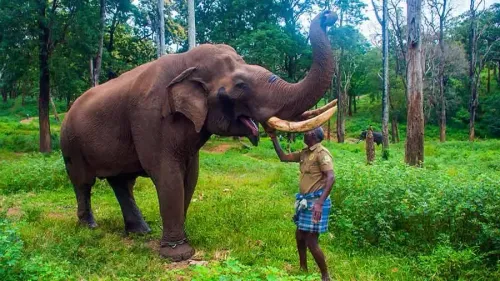
The Malasar community — an Adivasi group — has provided mahouts and cavadies for the camp across generations, living inside the Annamalai forests.
The Tamil Nadu Forest Department has built dedicated infrastructure at the camp for both elephants and their handlers.
Project Elephant , launched in 1992 , provides Central Government support for captive elephant management at facilities such as Kozhikamudi.
The visit signals continued Central attention ahead of annual wildlife budget discussions on elephant corridor and camp modernisation proposals.
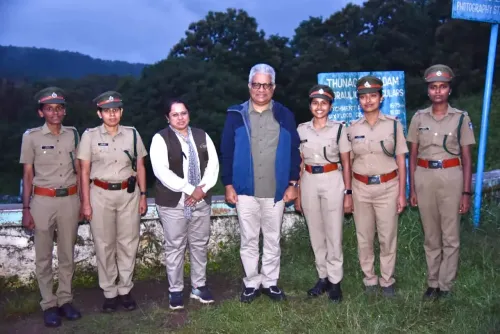
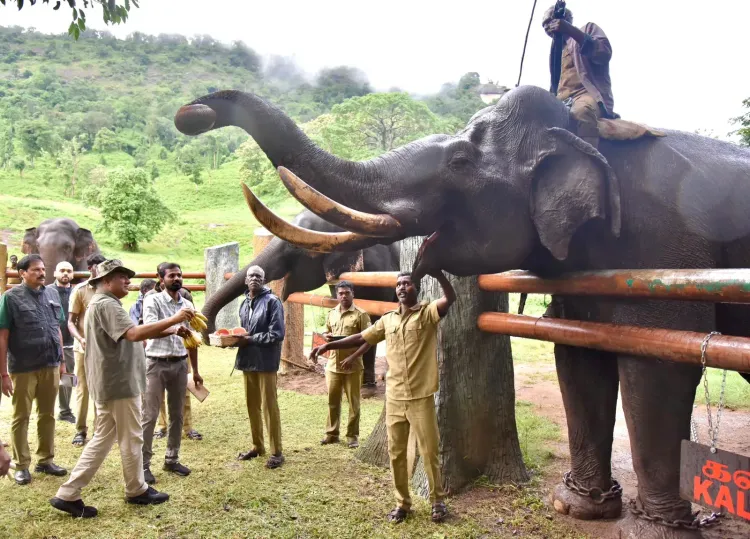
Union Environment Minister Bhupender Yadav on Thursday, 9 July 2026, visited the Kozhikamudi Elephant Camp inside the Annamalai Tiger and Elephant Reserve in Tamil Nadu, inspecting a facility that has maintained captive elephants for nearly a century and serves as a living model of forest-department and tribal-community partnership.
Context
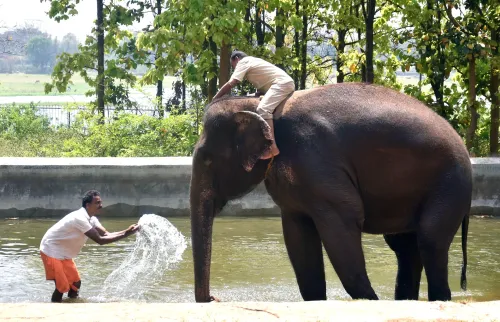
The Minister walked through the camp and held direct interactions with mahouts and cavadies drawn from the Malasar community, an Adivasi group whose members have lived inside the forests of the Annamalai hills for generations, passing down the specialised craft of elephant handling. Yadav described the facility built by the Tamil Nadu Forest Department for both the elephants and their handlers as 'worth seeing', underscoring the state agency's investment in integrated care infrastructure.
The Kozhikamudi camp is notable for sustaining an unbroken tradition of captive elephant management spanning roughly 100 years, making it one of the older continuously operating elephant camps in peninsular India.
Policy Backdrop
Project Elephant, launched by the Central Government in 1992, provides financial and technical support to states for elephant conservation — covering wild populations, habitat protection, and the management of captive animals in forest department camps. The Wildlife (Protection) Act, 1972 lists elephants under Schedule I, the highest protection category, and governs the legal framework for their captivity and upkeep.
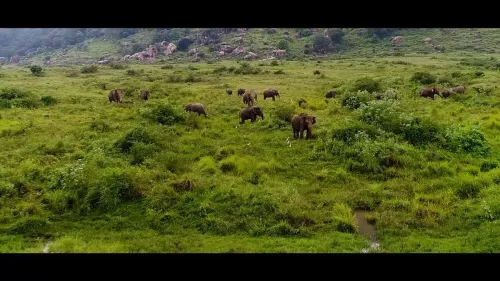
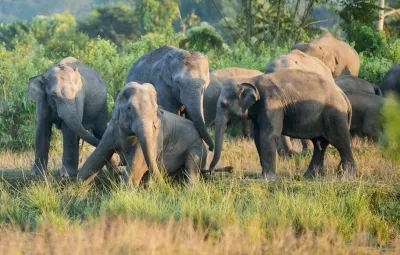
India manages captive elephants through a network of state forest department camps that blend departmental infrastructure with traditional ecological knowledge held by communities such as the Malasar. The Annamalai Tiger and Elephant Reserve, spread across the Western Ghats of Tamil Nadu, is one of the country's key landscapes for wild Asian elephants and is also home to this long-standing captive management tradition.
Stakeholders and Impact
The Malasar community's role at Kozhikamudi represents a broader national pattern in which Adivasi groups serve as the primary custodians of captive elephant welfare, a relationship that successive governments have sought to formalise and support. Their centuries-old knowledge of elephant behaviour, diet, and health is considered irreplaceable by wildlife managers.
The Tamil Nadu Forest Department has constructed dedicated facilities at the camp for both the animals and their handlers, a model that conservation practitioners argue improves animal welfare outcomes while also securing the livelihoods of mahout families. The Minister's visit signals continued Central Government attention to this integrated approach ahead of the next annual wildlife budget cycle.
What's Next
State proposals for elephant corridor notifications and camp modernisation funds are expected to feature in the upcoming annual wildlife budget discussions. The Central Government's engagement, reflected in the Minister's on-ground visit, is likely to inform policy decisions around Project Elephant allocations and the formal recognition of traditional mahout communities in conservation planning. Observers will watch whether the visit accelerates pending proposals for infrastructure upgrades at similar camps across the Western Ghats region.
Point of View
Particularly in states where the party is in opposition — Tamil Nadu being a Congress-DMK governed state. By spotlighting the Malasar community's traditional knowledge, the visit also aligns with the government's recurring narrative of integrating Adivasi communities into mainstream conservation policy. The timing, ahead of annual wildlife budget deliberations, could lend political momentum to pending proposals for camp modernisation and elephant corridor notifications in the Western Ghats. Whether the visit translates into concrete Central funding commitments will be the metric conservationists and state forest officials will track.
NationPress
8 Oct 2026
Frequently Asked Questions
What is the Kozhikamudi Elephant Camp?
Kozhikamudi Elephant Camp is a facility inside the Annamalai Tiger and Elephant Reserve in Tamil Nadu, managed by the Tamil Nadu Forest Department, that has housed and cared for captive elephants for nearly 100 years.
Who are the Malasar community?
The Malasar are an Adivasi community from the Annamalai hills in Tamil Nadu who have traditionally served as mahouts and cavadies, living inside the forests and passing down elephant-handling skills across generations.
Why did Bhupender Yadav visit Annamalai Tiger Reserve?
Union Environment Minister Bhupender Yadav visited to inspect the Kozhikamudi Elephant Camp and interact with Malasar mahouts, highlighting the century-old tradition of captive elephant management and the facilities built by the Tamil Nadu Forest Department.
What is Project Elephant and how does it relate to camps like Kozhikamudi?
Project Elephant is a centrally sponsored scheme launched in 1992 to protect elephants and their habitats and to support the management of captive elephant populations; camps such as Kozhikamudi receive financial and technical support under this programme.
What is the significance of the Annamalai Tiger and Elephant Reserve?
The Annamalai Tiger and Elephant Reserve in Tamil Nadu's Western Ghats is one of India's key protected areas for wild Asian elephants and tigers, and it also hosts one of the country's oldest continuously operating captive elephant management camps.