Chennai Police enforce 10 pm TASMAC shutdown, issue city-wide law and order directives
Synopsis
Chennai's Police Commissioner has gone beyond routine liquor regulation — the new order ties officer accountability directly to TASMAC compliance, sets hard 90-day deadlines on murder investigations, and mandates 60-day charge sheets for commercial narcotics cases. It is one of the most operationally detailed law and order directives the city has seen in recent memory.
Key Takeaways
Chennai Police Commissioner issued a comprehensive law and order order on 17 May covering liquor regulation and crime control.
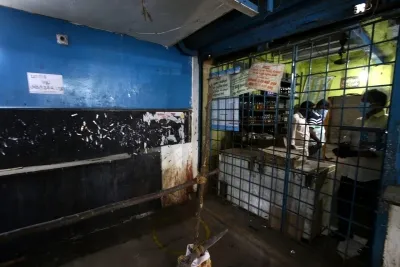
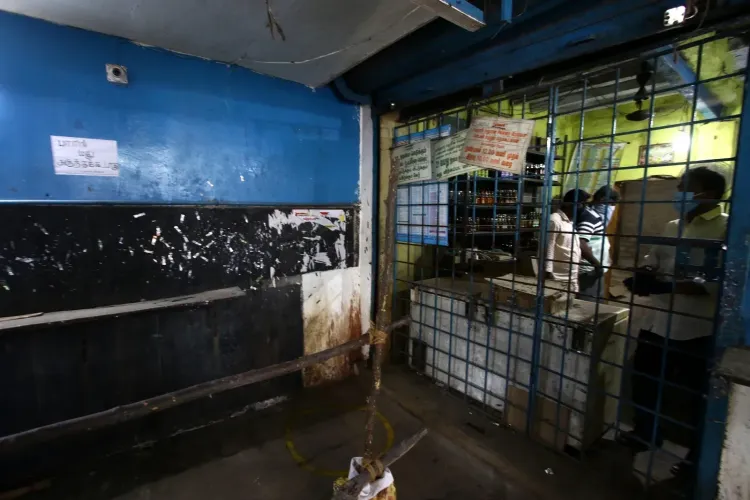
FL1 and FL2 liquor outlets, including TASMAC and Elite TASMAC , must close by 10 pm ; FL3 outlets by midnight .
Loose selling of liquor is strictly prohibited; monitoring officers face personal action for violations.
Murder investigations must not remain pending beyond 90 days ; NDPS commercial-quantity charge sheets must be filed within 60 days .
Patrol duties in crowd-prone areas are mandated from 6 pm onwards for all eligible personnel.
Officers found harassing complainants at police stations face strict disciplinary action.
The Chennai Police Commissioner has issued a comprehensive order to all police stations across the city, mandating strict enforcement of TASMAC operating hours and laying down a sweeping set of directives covering crime control, public conduct, and policing standards. The order, circulated on 17 May, signals a firm push to tighten liquor regulation and improve law and order management across Chennai.
Liquor Sale Timings and Enforcement
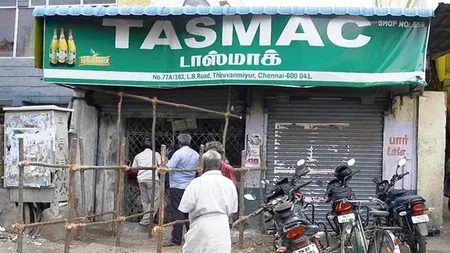
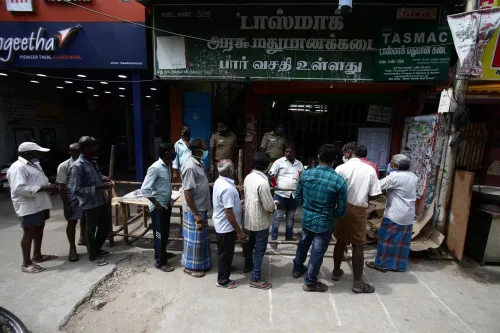
Under the directive, all FL1 category liquor outlets — including TASMAC and Elite TASMAC shops — must shut operations by 10 pm without exception. FL2 establishments are bound by the same 10 pm deadline, while FL3 outlets must adhere to their designated closing time of midnight.
Officials have been instructed to ensure that liquor sales occur only at authorised locations and strictly within prescribed hours. The order explicitly prohibits 'loose selling' of liquor — the practice of dispensing alcohol outside licensed packaging or premises — and makes clear that violations will invite action against the monitoring officers themselves.
Patrol teams — including regular patrol units, gypsy patrol vehicles, additional patrol teams, and sector beat officers — have been directed to monitor compliance closely and upload photographic evidence of enforcement measures to designated police groups.
Crime Control and Case Management
Assistant Commissioners of Police have been directed to carefully vet cases recommended under the Tamil Nadu Prevention of Dangerous Activities Act (Goondas Act), proceeding only in matters capable of withstanding scrutiny before advisory committees and the High Court.
The order sets firm timelines for investigations: murder cases must not remain pending beyond 90 days, and cases involving identified rowdy elements must be pursued systematically to secure convictions. Police have also been asked to profile narcotics offenders flagged through ANIU alerts and expedite charge sheets in commercial-quantity NDPS cases within 60 days based on available reports.
Strict timelines have been set for POCSO cases, while matters related to SC/ST communities are to undergo periodic reviews to ensure progress.
Patrol Duties and Public Conduct
Police personnel — excluding sentries and station writers — have been instructed to carry out patrol duties in crowd-prone areas from 6 pm onwards. The Commissioner stressed the need for courteous treatment of the public at police stations, warning that strict action would be taken against any personnel found harassing complainants.
This comes amid broader concerns about public confidence in urban policing, with the directive explicitly calling for clean police station premises and disciplined, efficient conduct as non-negotiable standards.
Significance of the Order
The directive is notable for its breadth — going well beyond routine liquor regulation to encompass investigation timelines, narcotics enforcement, and officer accountability. Notably, the Commissioner's decision to hold monitoring officers personally liable for violations marks a sharper accountability mechanism than typical standing orders. Whether consistent ground-level enforcement follows the directive will be the real measure of its impact.
Point of View
If enforced, could change ground-level compliance culture. The 90-day murder investigation deadline and 60-day NDPS charge-sheet mandate are ambitious targets for a force managing caseloads at scale. The real question is whether these directives carry consequence or remain paper orders — a pattern that has historically blunted similar initiatives in Tamil Nadu's urban policing.
NationPress
20 Sept 2026
Frequently Asked Questions
What are the new TASMAC closing times ordered by Chennai Police?
Under the new order, FL1 category outlets including TASMAC and Elite TASMAC must close by 10 pm. FL2 outlets also face a 10 pm deadline, while FL3 establishments must shut by midnight.
What is 'loose selling' of liquor and why is it banned?
Loose selling refers to the dispensing of alcohol outside licensed packaging or authorised premises. The Chennai Police Commissioner's order strictly prohibits the practice to prevent unregulated alcohol consumption and ensure sales occur only at authorised locations within prescribed hours.
What action can officers face for violating the liquor enforcement order?
The Commissioner has warned that officers responsible for monitoring areas where violations occur could face direct disciplinary action. Patrol teams are required to upload photographic evidence of enforcement to designated police groups.
What are the new timelines set for criminal investigations in Chennai?
Murder investigations must not remain pending beyond 90 days. Charge sheets in commercial-quantity NDPS cases must be filed within 60 days. POCSO cases have separate strict timelines, and SC/ST-related cases are subject to periodic reviews.
Who is covered by the patrol duty instructions in the order?
All police personnel except sentries and station writers are required to carry out patrol duties in crowd-prone areas from 6 pm onwards, as part of the broader law and order directions issued by the Chennai Police Commissioner.