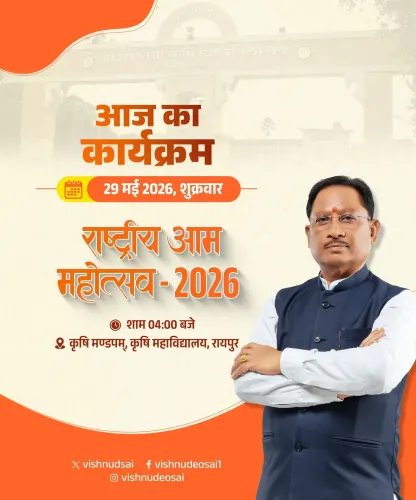
Chhattisgarh CMO announces Rashtriya Aam Mahotsav 2026
Synopsis
The Chhattisgarh Chief Minister's Office has announced the Rashtriya Aam Mahotsav 2026, a national mango festival designed to showcase the state's mango cultivation, connect farmers with buyers, and boost agri-tourism and rural incomes.
Key Takeaways
The Chhattisgarh CMO officially announced the Rashtriya Aam Mahotsav 2026 on 29 May 2026 .
The festival carries a national-level designation, reflecting the state's ambition to promote its mango produce across India .
Mango growers and the tourism sector are the primary stakeholders expected to benefit.
The event fits within Chhattisgarh's broader strategy to diversify its economy from minerals toward value-added horticulture.
Detailed programme schedules, venue, and participation details are yet to be officially announced.
GI registrations for regional mango varieties and state horticulture budget allocations remain key areas to watch.
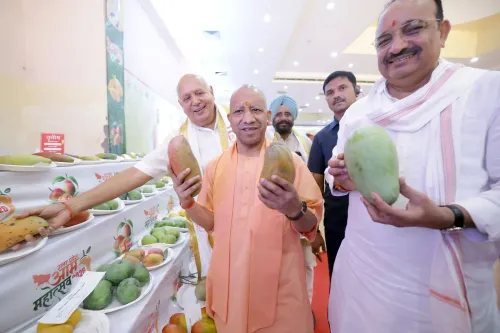
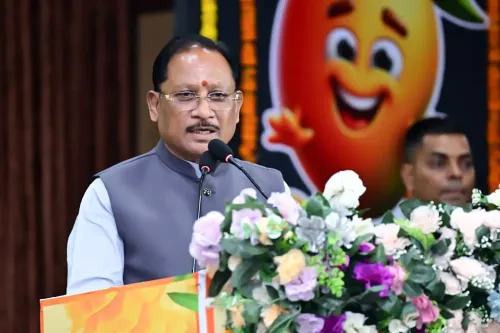
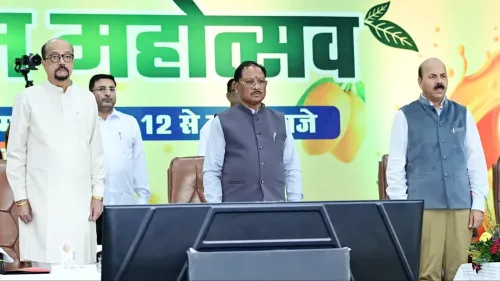
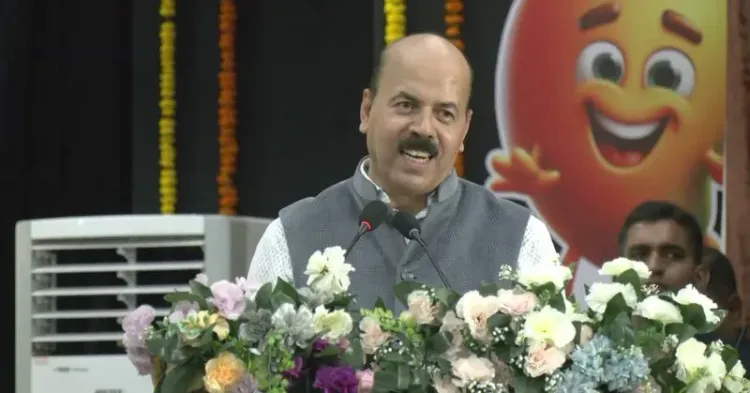
The Chief Minister's Office of Chhattisgarh announced the Rashtriya Aam Mahotsav 2026 (National Mango Festival 2026) on Friday, 29 May 2026, sharing details of the upcoming state-backed celebration of mango cultivation and culture.
Context
The post, shared by the official Chhattisgarh CMO account, promotes the Rashtriya Aam Mahotsav-2026 — the National Mango Festival — signalling the state government's active role in organising and publicising the event. Mango is among India's most commercially and culturally significant fruits, and dedicated festivals have become a key vehicle for states to spotlight their regional varieties and connect growers directly with buyers and consumers.
Chhattisgarh has a substantial mango-growing belt, with horticulture increasingly central to the state's economic diversification strategy beyond its mineral sector. State-backed festivals of this kind combine agricultural trade with cultural programming, giving farmers and processors a high-visibility platform.
Policy Backdrop
Across India, state governments have institutionalised crop-specific festivals as tools of rural economic promotion. These events typically feature mango variety exhibitions, farmer stalls, culinary competitions, and cultural performances, drawing urban consumers, traders, and agri-tourism visitors to a single venue. For Chhattisgarh, positioning such a festival at the national level — as the 'Rashtriya' prefix indicates — reflects an ambition to place the state's mango produce on a pan-India map.
The broader policy context includes state horticulture department schemes aimed at improving post-harvest handling, cold-chain logistics, and market linkages for fruit growers. Geographical Indication registrations for distinctive regional mango varieties are also a watch area, as GI tags can significantly enhance a variety's commercial value and recognition.
Stakeholders and Impact
Mango growers across Chhattisgarh stand to benefit most directly, gaining access to a large, organised marketplace and media attention that individual farmers cannot generate on their own. Processors, packagers, and exporters also use such festivals to scout new supply relationships and assess variety quality firsthand.
The tourism sector is a secondary but meaningful beneficiary: food-and-culture festivals generate hotel bookings, transport demand, and footfall for local vendors. For the state government, the event reinforces a narrative of agricultural prosperity and administrative initiative ahead of any forthcoming budget or policy cycle.
What's Next
The state government's horticulture and agriculture departments are expected to follow up with detailed programme schedules, venue announcements, and registration processes for participating farmers and vendors. Observers will watch whether the 2026 edition expands trade volumes compared with prior years and whether any new GI applications for Chhattisgarh mango varieties are filed in the coming fiscal period. The festival's national branding also raises the question of central government co-sponsorship or participation by the National Horticulture Board.
Point of View
Signalling that the state sees its mango sector as capable of competing for pan-India attention and investment. This fits a wider pattern among BJP-governed states of using high-profile agricultural festivals to demonstrate developmental governance and rural outreach ahead of electoral cycles. The emphasis on horticulture also reflects a structural push to reduce Chhattisgarh's fiscal dependence on mining royalties by building value chains in agriculture. Whether the 2026 edition translates into measurable gains for farmers — through better prices, GI recognition, or export linkages — will be the real test of the initiative's policy substance.
NationPress
13 Oct 2026
Frequently Asked Questions
What is the Rashtriya Aam Mahotsav 2026?
The Rashtriya Aam Mahotsav 2026 is a national mango festival announced by the Chhattisgarh Chief Minister's Office, aimed at showcasing the state's mango varieties, connecting farmers with buyers, and promoting agri-tourism.
When was the Rashtriya Aam Mahotsav 2026 announced?
The festival was announced by the Chhattisgarh CMO on 29 May 2026 .
Who benefits from the Chhattisgarh mango festival?
Mango growers, agricultural processors, traders, and the tourism sector in Chhattisgarh are the primary beneficiaries, as the festival provides a high-visibility marketplace and cultural platform.
Why does Chhattisgarh host a national mango festival?
Chhattisgarh has significant mango cultivation areas and the state government uses such festivals to diversify its economy toward horticulture, improve farmer incomes, and attract agri-tourism investment.
What should I watch for after the Aam Mahotsav announcement?
Watch for official announcements on the festival venue, dates, and programme schedule, as well as any GI tag filings for Chhattisgarh mango varieties and state budget allocations for horticulture marketing.