Chhattisgarh CMO celebrates Rajyotsav 2026 at Nava Raipur
Synopsis
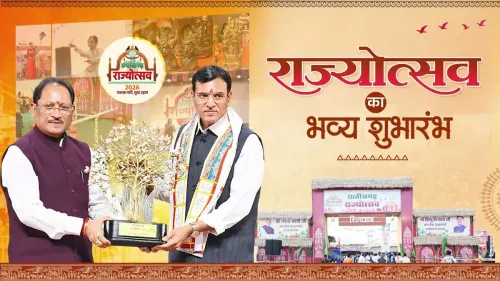
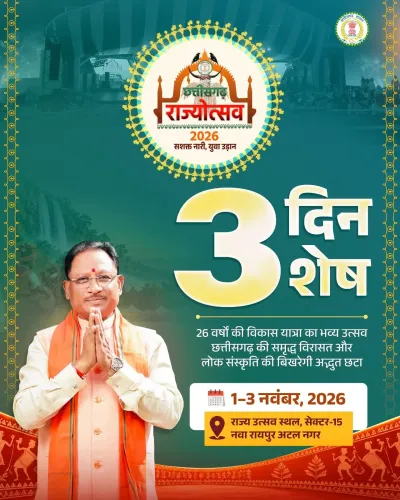
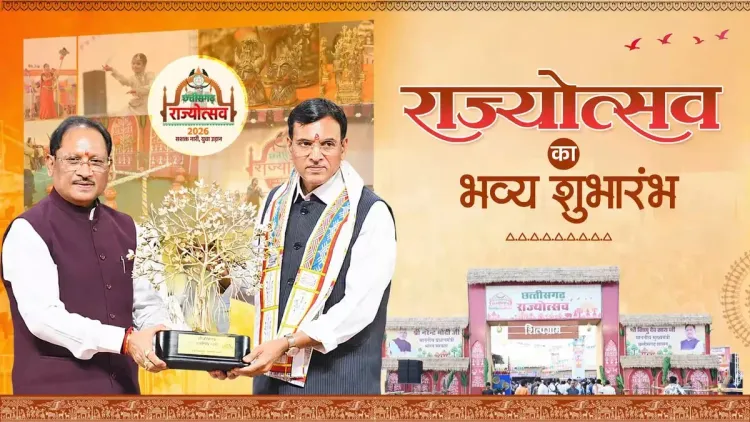
Chhattisgarh marks its 26th statehood anniversary with Rajyotsav 2026 at Rajyotsav Maidan, Nava Raipur. The CMO described the festival as a celebration of heritage, people's aspirations, and two-and-a-half decades of development under the hashtag #CGRajyotsav2026.
Key Takeaways
Chhattisgarh Rajyotsav 2026 is being held at Rajyotsav Maidan, Nava Raipur on 2 November 2026 .
The festival marks 26 years since Chhattisgarh became India's 26th state on 1 November 2000 .
The CMO framed the event as a celebration of 'rich and glorious heritage, people's aspirations, and 26 years of development.' The hashtag #विकसित_छत्तीसगढ़ ('Developed Chhattisgarh') links the cultural festival explicitly to a development narrative.
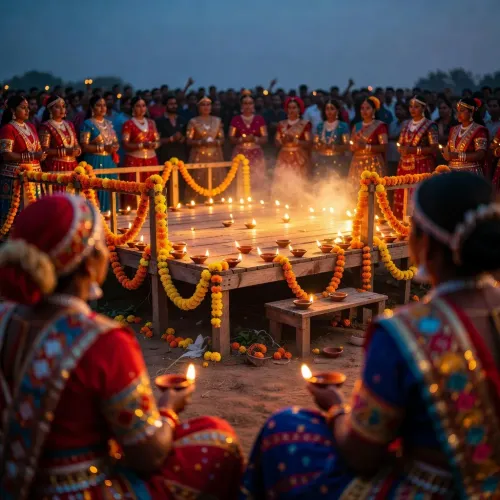
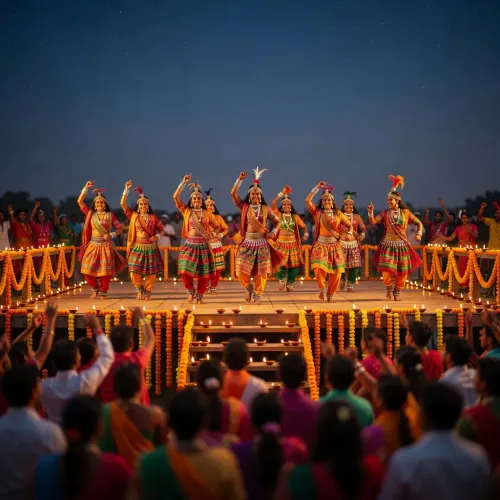
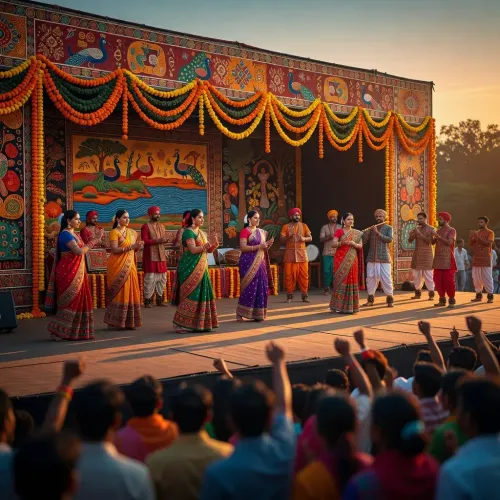
Folk artists and cultural groups from across the state's districts are central participants in the annual programme.
Twenty-six years after a new state was carved out of the heart of India, Chhattisgarh threw open the gates of its grandest annual festival — and this year, the celebration carries the weight of a quarter-century milestone. The Chief Minister's Office of Chhattisgarh announced the Rajyotsav 2026 festivities on 2 November 2026, calling them a tribute to the state's 'rich and glorious heritage, the aspirations of the people, and 26 years of the development journey.'
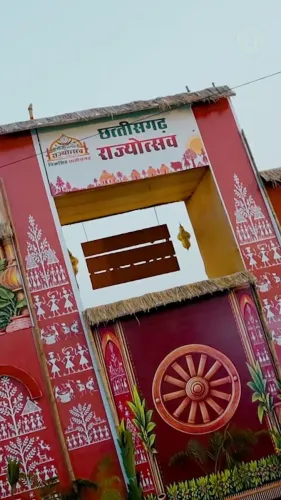
Rajyotsav Maidan, Nava Raipur: the stage for 26 years of statehood
The celebration is anchored at Rajyotsav Maidan, Nava Raipur — the planned administrative capital that itself symbolises the state's forward march since 1 November 2000, when Chhattisgarh became India's 26th state, separated from Madhya Pradesh. The CMO's post captured the mood in lyrical Hindi: 'Umang aur ullas ke rang, lok-sanskriti ki madhur tarang aur apni maati ki gaurav ke sang' — 'the colours of joy and exuberance, the sweet wave of folk culture, and the pride of one's own soil.' It is hard to find a more compact summary of what this festival means to the region.
Folk culture, heritage, and a development report card
Chhattisgarh's Rajyotsav is not merely a pageant. Since the state's formation, successive editions have served as a dual canvas — showcasing tribal and folk traditions unique to the region while presenting a public reckoning of governance milestones. The 2026 edition, marking the exact 26th anniversary, amplifies that dual purpose: the hashtag #विकसित_छत्तीसगढ़ ('Developed Chhattisgarh') woven into the announcement signals that the cultural celebration is explicitly paired with a development narrative. Folk artists, cultural groups, and communities from across the state's districts are the beating heart of these multi-day programmes.
Indian states routinely organise formation-day festivals, but Chhattisgarh's holds a particular resonance — the state was born from a long-standing demand for a separate identity rooted in Gondi and Chhattisgarhi culture, distinct from the broader Madhya Pradesh mainstream. Every Rajyotsav is, in a sense, a reaffirmation of that original argument.
What the 26th edition puts on the map
The choice of Nava Raipur as the venue is itself a statement. The planned city — conceived after statehood as a modern administrative centre — now hosts the very festival that commemorates the decision to build something new. As #CGRajyotsav2026 trends across the state, all eyes will be on the scale of performances, district-level participation, and any infrastructure or welfare announcements that traditionally accompany the main event.
A state that began as an idea in 2000 is now celebrating the maturity of that idea — and doing it with folk songs, maati ki khushbu, and the quiet confidence of a place that knows exactly who it is.
Point of View
And Chhattisgarh's is no exception. How the state's development narrative lands with citizens — particularly in its predominantly tribal hinterland — will determine whether this milestone resonates beyond the ceremonial.
NationPress
2 Nov 2026
Frequently Asked Questions
When is Chhattisgarh Rajyotsav 2026?
Chhattisgarh Rajyotsav 2026 is being held on and around 1-2 November 2026 , marking the state's 26th formation day at Rajyotsav Maidan, Nava Raipur.
Where is Chhattisgarh Rajyotsav 2026 being held?
The 2026 edition is hosted at Rajyotsav Maidan, Nava Raipur , the planned administrative capital of Chhattisgarh.
Why is Chhattisgarh Rajyotsav celebrated?
Chhattisgarh Rajyotsav commemorates the state's formation on 1 November 2000 , when it was carved out of Madhya Pradesh as India's 26th state, and celebrates its folk culture, heritage, and developmental milestones.
What is the significance of Chhattisgarh Rajyotsav 2026?
The 2026 edition is especially significant as it marks the state's 26th anniversary — a quarter-century of statehood — framed under the theme of 'Viksit Chhattisgarh' or Developed Chhattisgarh.
What happens at Chhattisgarh Rajyotsav?
The annual festival features folk-culture performances, showcasing of regional traditions and crafts, and typically includes reviews of governance and development achievements alongside community celebrations.