CM Sai Backs PM-SETU to Wire Chhattisgarh ITIs to Industry
Synopsis
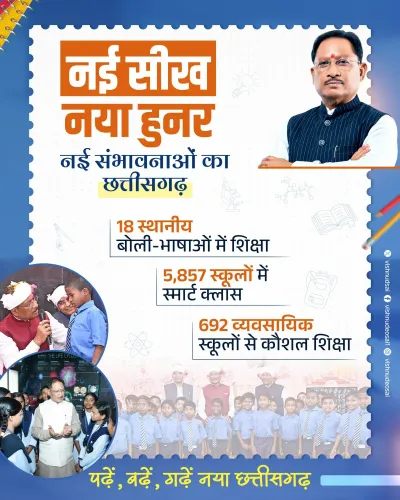
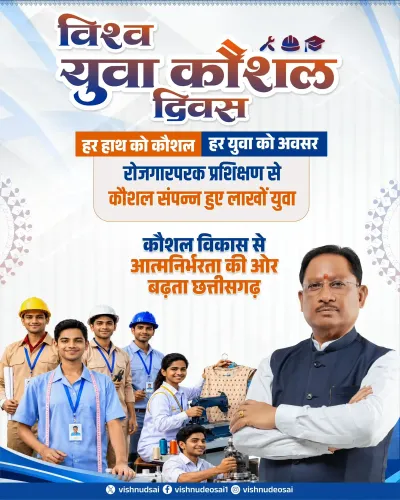
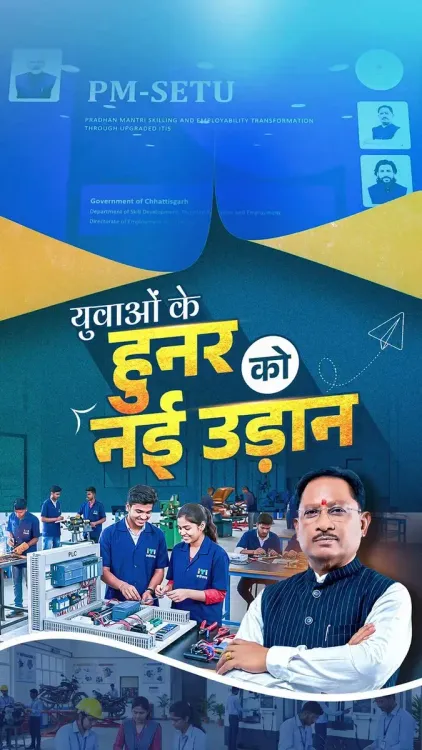
Chhattisgarh CM Vishnu Deo Sai on 2 November 2026 promoted the PM-SETU scheme, which links state ITI training to real industrial experience, aiming to make youth job-ready on modern machinery and contribute to Chhattisgarh's industrial growth.
Key Takeaways
CM Vishnu Deo Sai promoted the PM-SETU scheme on 2 November 2026 , calling for modern, industry-linked vocational training in Chhattisgarh.
PM-SETU is designed to bridge the gap between ITI classroom learning and actual shop-floor industrial experience.
The scheme targets Chhattisgarh's ITIs , equipping trainees to operate modern machines and technologies beyond textbook knowledge.
Chhattisgarh's industrial base in mining, steel, and power creates direct demand for the skilled technicians the scheme aims to produce.
The initiative aligns with the national Skill India Mission (2015) and the National Policy for Skill Development and Entrepreneurship (2015) , adapted at state level.
When classroom drills give way to live factory floors, a trainee stops being a student and starts becoming a technician. Chhattisgarh Chief Minister Vishnu Deo Sai made that case on Monday, 2 November 2026, spotlighting the PM-SETU scheme as the vehicle to close the gap between vocational theory and real industrial practice across the state's Industrial Training Institutes (ITIs).
Writing in Hindi on X, CM Sai framed the challenge in plain terms: 'युवाओं की प्रतिभा को सही दिशा और आधुनिक तकनीक का साथ मिले, तो वे अपनी मेहनत से नए अवसर गढ़ सकते हैं' — 'When young talent gets the right direction and the support of modern technology, they can forge new opportunities through their own hard work.' His core message: book knowledge alone is no longer enough. The state wants its ITI graduates working confidently on modern machines before they ever walk through a factory gate.
What PM-SETU Is Designed to Do
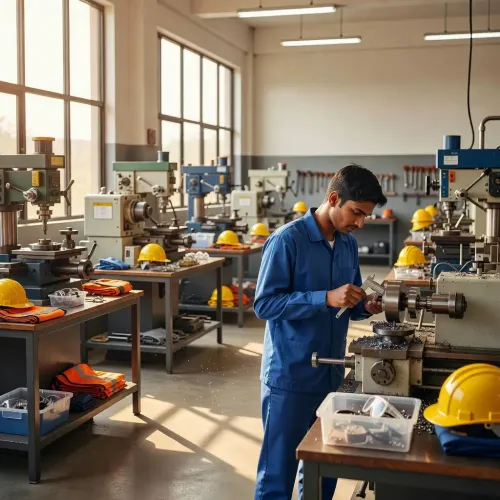
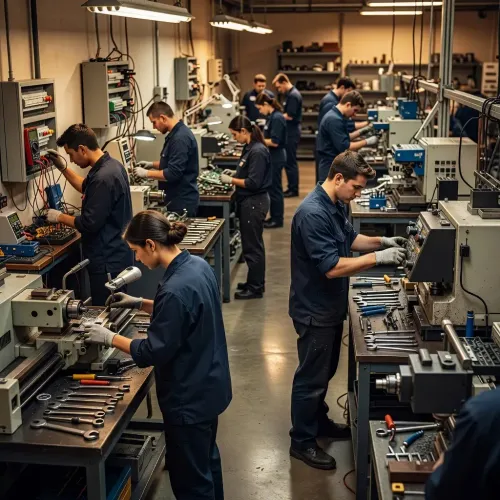
The PM-SETU scheme is a state-level initiative aimed at linking ITI curriculum directly to industrial exposure. The ambition is structural: rather than treating vocational training as a self-contained exercise, it threads actual shop-floor experience into the training cycle so that students build hands-on skills alongside their certificates. CM Sai described the effort as enabling youth to move 'beyond bookish knowledge' and master the skills needed to operate contemporary machinery and technologies.
Chhattisgarh's economy provides a ready context for this push. The state's industrial base — anchored in mining, steel, and power generation — creates a sustained demand for skilled technicians. A well-placed ITI graduate here does not lack for potential employers; the question has always been whether the training matches what those employers actually need.
A State Play on a National Playbook
The broader ambition echoes the Skill India Mission, launched nationally in 2015, and the National Policy for Skill Development and Entrepreneurship of the same year, both of which pushed for industry-linked training modules. Indian states have adapted these frameworks in varied ways, but the persistent gap between certificate holders and job-ready candidates has kept the policy conversation alive for over a decade. PM-SETU is Chhattisgarh's current answer to that persistent gap.
CM Sai closed his post with a pointed aspiration: that every young person in the state should move forward trusting in their own skills and carve out a new identity in Chhattisgarh's progress. It is a political promise, yes — but one tied to a mechanism specific enough to be held accountable.
The test will come in the data: which ITIs go live under PM-SETU first, which industries sign on as partners, and whether placement rates follow. The scheme is only as good as the factory floor it eventually delivers trainees to.
Point of View
Who took office in December 2023, is using vocational infrastructure to signal economic governance depth ahead of what will be a competitive political environment.
NationPress
2 Nov 2026
Frequently Asked Questions
What is the PM-SETU scheme in Chhattisgarh?
PM-SETU is a state-level initiative in Chhattisgarh that links ITI vocational training with actual industrial exposure, so trainees gain hands-on experience on modern machines alongside their formal certification.
What did Chhattisgarh CM Vishnu Deo Sai say about ITI training?
CM Vishnu Deo Sai said that when youth talent is paired with the right direction and modern technology, young people can create new opportunities through hard work, and that PM-SETU will help ITI students move beyond bookish knowledge to real industrial skills.
How does PM-SETU relate to Skill India Mission?
PM-SETU is Chhattisgarh's state-level adaptation of the broader Skill India Mission launched in 2015, which similarly emphasised industry-linked training modules to improve youth employability across India.
Why is industrial training important for Chhattisgarh's youth?
Chhattisgarh has a significant industrial base in mining, steel, and power generation, creating steady demand for skilled technicians — making practical, industry-aligned ITI training directly relevant to local employment opportunities.
When did Vishnu Deo Sai become Chief Minister of Chhattisgarh?
Vishnu Deo Sai became Chief Minister of Chhattisgarh in December 2023 after the BJP's victory in the state assembly elections.