CM Bhajanlal Shares PM Modi's Vision on Clean Energy at BharatRE Summit 2026
Synopsis
At BharatRE Summit 2026, Rajasthan CM Bhajan Lal Sharma quoted PM Modi on India's clean energy mission, noting that over 65 lakh homes have joined the PM Surya Ghar Muft Bijli Yojana — nearly two-thirds of its one-crore target — in just 24-25 months.
Key Takeaways
PM Surya Ghar Muft Bijli Yojana was launched in February 2024 with a target of rooftop solar panels on one crore households .
More than 65 lakh (6.5 million) homes have enrolled in the scheme within 24-25 months of its launch.
PM Modi framed India's renewable innovations as a resource for 'all of humanity', not just domestic beneficiaries.
The scheme provides eligible households with up to 300 units of free electricity per month.
Rajasthan , with high solar irradiation, is a key implementation state for the central scheme alongside its own renewable targets.
India's rooftop solar push builds on a policy lineage dating to the Jawaharlal Nehru National Solar Mission of 2010 .
India's green energy ambitions took centre stage at the BharatRE Summit 2026, where Rajasthan Chief Minister Bhajan Lal Sharma amplified a powerful message from Prime Minister Narendra Modi — that India's innovations in renewable energy are not just for Indians, but for all of humanity. The occasion: a national renewable energy summit that brought India's solar story into sharp, global focus.
PM Modi's Words: From India's Rooftops to the World
Quoting the Prime Minister directly, CM Sharma shared: 'Bharat ke innovation, Bharat ke anubhav — hum chahte hain ki iska labh poori manavta ko mile' ('India's innovations, India's experiences — we want all of humanity to benefit from them'). The statement frames India's renewable push not as domestic policy alone, but as a contribution to the global energy transition.
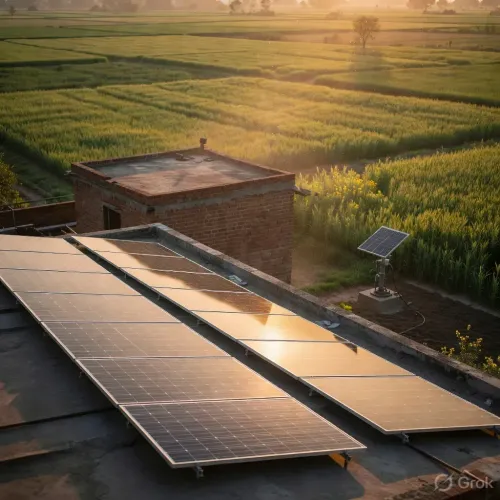
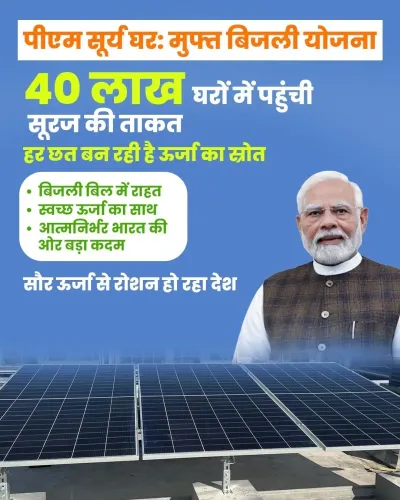
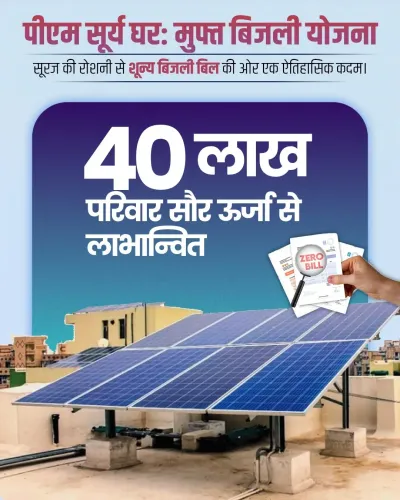
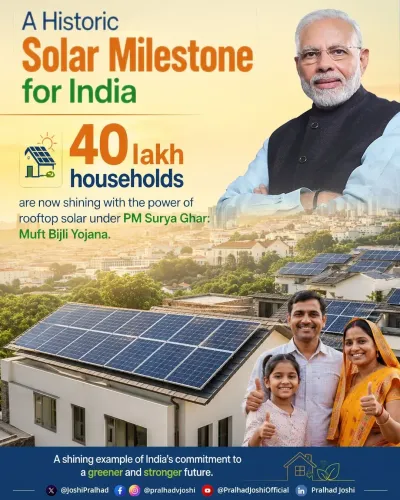
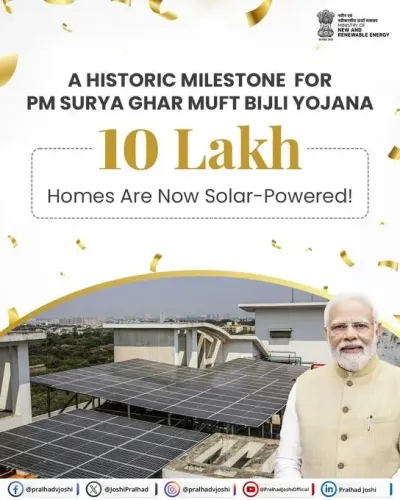
At the heart of that vision is the PM Surya Ghar Muft Bijli Yojana, launched in February 2024. The scheme targets the installation of rooftop solar panels on one crore (10 million) households, delivering up to 300 units of free electricity per month to enrolled families. It is one of the most ambitious decentralised solar programmes in the world.
65 Lakh Homes in 24-25 Months — The Pace of the Rollout
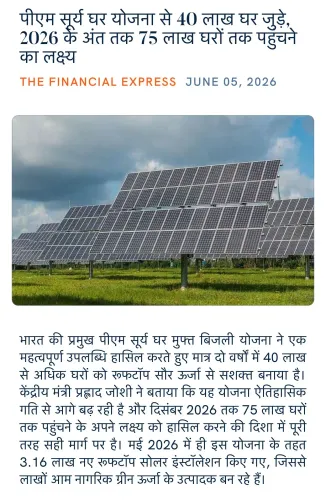
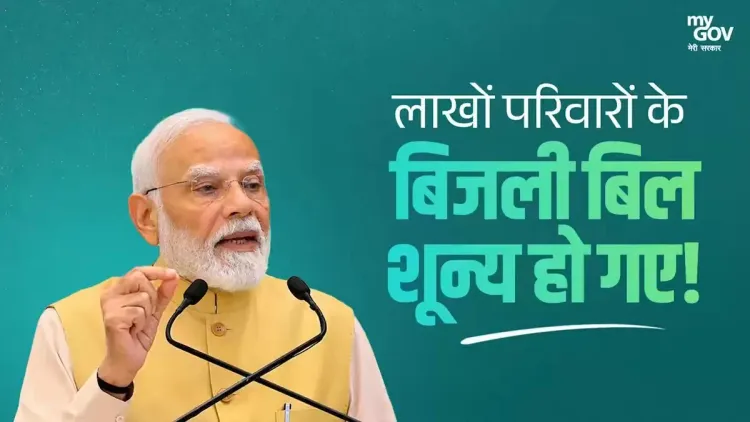
The numbers from the Prime Minister's address are striking: in just 24 to 25 months, more than 65 lakh (6.5 million) households have already joined the scheme. That is nearly two-thirds of the one-crore target, achieved in roughly half the anticipated timeline — a rollout velocity that few national infrastructure programmes have matched.
For Rajasthan — a state with some of India's highest solar irradiation levels and a key implementation partner in the central scheme — the summit and its messaging carry particular weight. The state has its own ambitious renewable energy targets, and the PM Surya Ghar scheme sits squarely within that broader architecture.
Clean Energy as the Core of Energy Security
PM Modi's line — 'Energy Security ka future Clean Energy mein hai' ('The future of energy security lies in clean energy') — distils the strategic logic behind India's solar scale-up. India's electricity demand is rising rapidly, and dependence on fossil fuel imports creates both economic and geopolitical vulnerability. Rooftop solar directly addresses both: it decentralises generation, cuts import bills, and puts power — literally — in the hands of individual households.
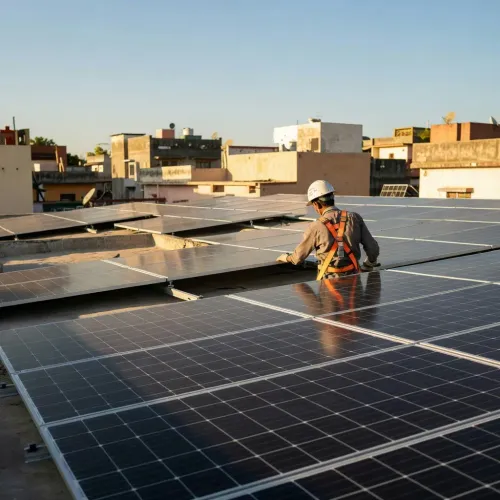
This philosophy has roots going back to the Jawaharlal Nehru National Solar Mission of 2010, which laid the foundation for grid-connected solar in India. The PM Surya Ghar scheme takes that legacy into the household, turning rooftops into power plants and consumers into producers.
India's success in this space, the Prime Minister and CM Sharma both signal, is a model ready for export — especially to emerging economies navigating the same tension between development and decarbonisation. The world is watching the Indian rooftop.
Point of View
Not merely a domestic success story. The 65-lakh household milestone, if sustained, would validate the decentralised solar model as a replicable template for the Global South. For Rajasthan, championing this narrative also serves a state-level interest: the desert state needs federal programme momentum to meet its own renewable commitments. The framing of 'energy security through clean energy' marks a maturation of India's climate diplomacy — from aspirational pledge to measurable delivery.
NationPress
2 Nov 2026
Frequently Asked Questions
What is the PM Surya Ghar Muft Bijli Yojana?
The PM Surya Ghar Muft Bijli Yojana is a central government scheme launched in February 2024 to install rooftop solar panels on one crore Indian households, offering up to 300 units of free electricity per month to enrolled families.
How many homes have joined PM Surya Ghar so far?
According to PM Modi's remarks shared at BharatRE Summit 2026, more than 65 lakh (6.5 million) households had joined the scheme within 24-25 months of its launch.
What is BharatRE Summit 2026?
BharatRE Summit 2026 is a national renewable energy summit in India where the government showcased India's progress in clean and solar energy, with PM Modi and other leaders addressing the gathering.
What did PM Modi say about India's clean energy at BharatRE Summit 2026?
PM Modi stated that India's innovations and experiences in green energy should benefit all of humanity, and declared that the future of energy security lies in clean energy.
Why is Rajasthan important for India's solar energy plans?
Rajasthan has some of the highest solar irradiation levels in India, making it a key implementation state for central schemes like PM Surya Ghar Muft Bijli Yojana alongside its own state-level renewable energy targets.