CM Bhajan Lal: Rajasthan hits 1,000 MW rooftop solar mark
Synopsis
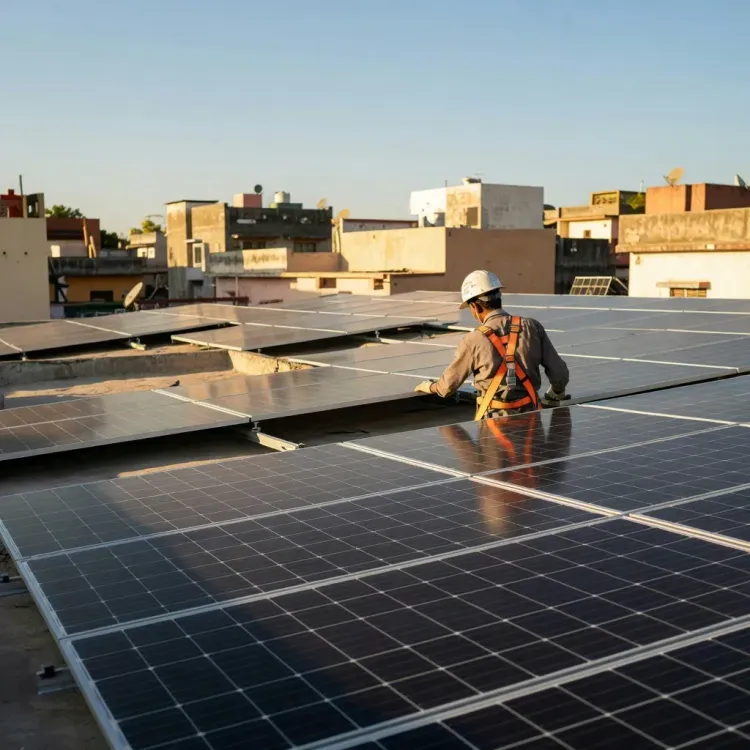
Rajasthan has crossed 1,001.57 MW of rooftop solar installed capacity with over 2,65,000 homes covered under PM Surya Ghar: Muft Bijli Yojana, Chief Minister Bhajan Lal Sharma announced on 15 July 2026, calling it a historic step toward clean energy self-reliance.
Key Takeaways
Rajasthan's total rooftop solar installed capacity has reached 1,001.57 MW , crossing the 1,000 MW mark.
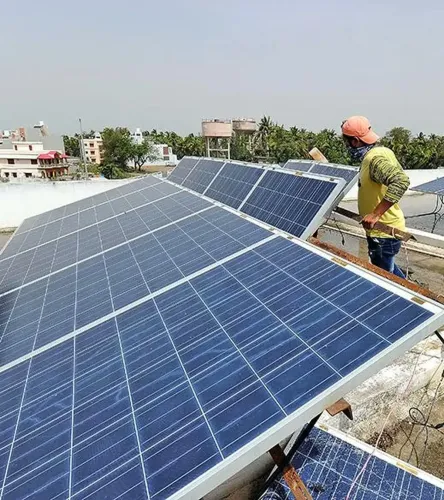
More than 2,65,000 households in the state have had rooftop solar plants installed under the Central scheme.
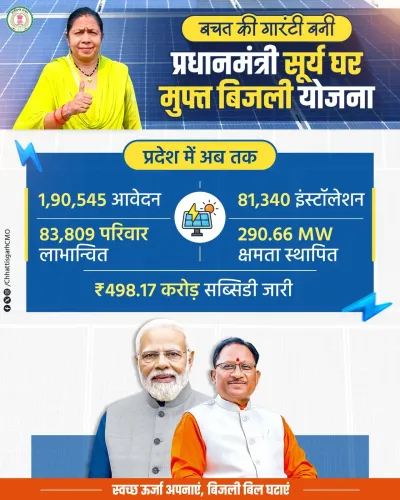
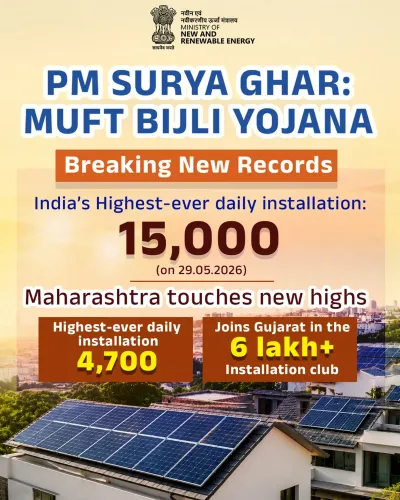
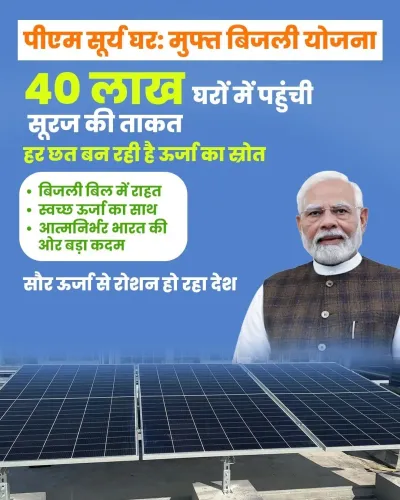
The achievement is attributed to the PM Surya Ghar: Muft Bijli Yojana , launched via Union Budget 2024-25 with a national target of one crore households.
Chief Minister Bhajan Lal Sharma credited Prime Minister Narendra Modi 's guidance and thanked Discom staff and citizens for the milestone.
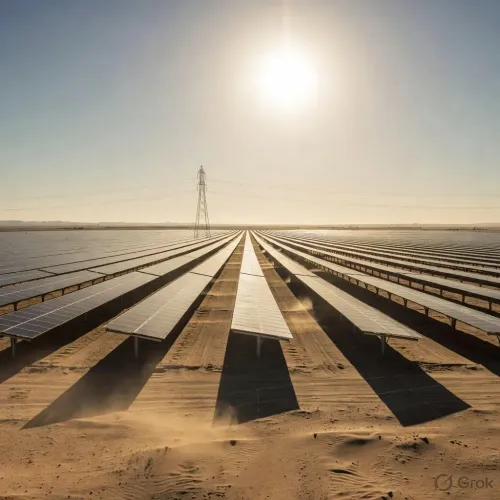
Rajasthan's high solar irradiance makes it a leading state in India's drive toward 500 GW of non-fossil fuel capacity by 2030.
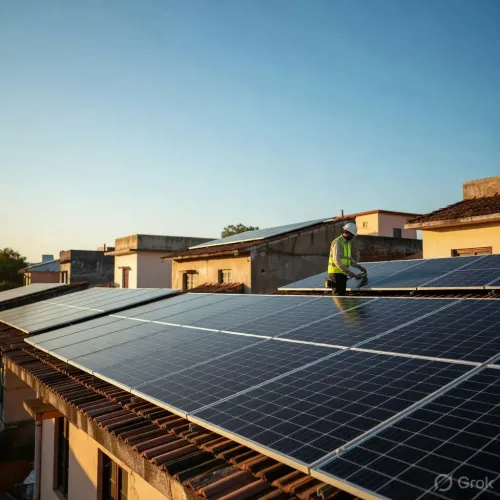
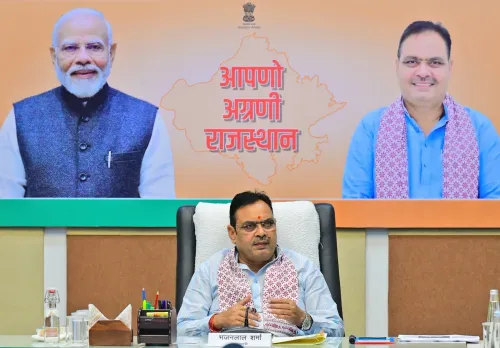
Rajasthan Chief Minister Bhajan Lal Sharma announced on Wednesday, 15 July 2026 that the state has crossed a landmark 1,000 megawatt rooftop solar installed capacity threshold, crediting the achievement to the Central government's PM Surya Ghar: Muft Bijli Yojana and the participation of over 2,65,000 households across the state.
Context
Posting in Hindi on X, Sharma stated that Rajasthan has installed rooftop solar plants on more than 2,65,000 homes, pushing total installed capacity to 1,001.57 MW — a figure he described as a 'naya itihaas' (new history) for the state in the clean-energy sector. He attributed the milestone directly to Prime Minister Narendra Modi's 'visionary guidance' and the transformative design of the PM Surya Ghar: Muft Bijli Yojana. The Chief Minister also extended formal thanks to the state's energy department, distribution company (Discom) staff, and citizens whose 'participation and dedication' made the achievement possible.
Policy Backdrop
The PM Surya Ghar: Muft Bijli Yojana was introduced through the Union Budget 2024-25 with a national target of installing rooftop solar on one crore (10 million) households, offering beneficiaries up to 300 units of free electricity per month. Rajasthan, which benefits from among the highest solar irradiance levels in India, had already established a state-level framework through the Rajasthan Solar Energy Policy 2019, setting targets for both distributed and utility-scale solar generation. The state's Discoms are responsible for net-metering, subsidy disbursement, and integrating the additional distributed capacity into the grid.
The milestone fits within India's broader Panchamrit climate strategy, announced at COP26, which targets 500 GW of non-fossil fuel installed capacity by 2030. Rooftop solar schemes are central to that goal, reducing transmission and distribution losses while decentralising power generation to the household level.
Stakeholders and Impact
The most direct beneficiaries are the 2,65,000-plus Rajasthan households that have installed rooftop systems, who stand to offset or eliminate their monthly electricity bills through net-metering credits. Solar installers and equipment suppliers in the state have also seen sustained demand driven by Central subsidy flows. Discoms, meanwhile, face the dual challenge of managing a growing distributed generation fleet while absorbing the financial impact of reduced retail revenue from prosumer households.
For the BJP government in Jaipur, the figure carries political weight: it demonstrates measurable delivery on a flagship Central scheme at the state level, reinforcing the 'Viksit Bharat – Viksit Rajasthan' (Developed India – Developed Rajasthan) narrative that Sharma has consistently championed since taking office in December 2023.
What's Next
Attention will now turn to quarterly progress updates on the national one-crore household target to see whether Rajasthan's pace of adoption is being matched by other high-irradiance states. Any forthcoming state budget announcements on additional rooftop subsidies, enhanced net-metering tariffs, or Discom financial restructuring will be closely watched as indicators of whether the state can sustain — and accelerate — this trajectory. The 1,000 MW mark in rooftop solar alone, alongside Rajasthan's large utility-scale solar portfolio, positions the state as a key contributor to India's 2030 renewable capacity goals.
Point of View
000 MW rooftop solar threshold is a concrete, quantifiable data point in a policy space often dominated by targets rather than outcomes. For Chief Minister Bhajan Lal Sharma, the announcement serves a dual purpose: it validates the state administration's execution capability on a high-profile Central scheme, and it reinforces the BJP's 'Viksit Rajasthan' brand ahead of future electoral cycles. The explicit crediting of Prime Minister Modi also reflects the standard political choreography of state-Centre alignment within the ruling party, where scheme success is shared upward. More substantively, the milestone signals that demand-side adoption of distributed solar in a large, sun-rich state can move faster than sceptics of household-level schemes had projected.
NationPress
14 Oct 2026
Frequently Asked Questions
What is PM Surya Ghar: Muft Bijli Yojana?
PM Surya Ghar: Muft Bijli Yojana is a Central government scheme launched through the Union Budget 2024-25 that aims to install rooftop solar panels on one crore Indian households, offering beneficiaries up to 300 units of free electricity per month through net-metering arrangements.
How many homes in Rajasthan have rooftop solar under the scheme?
More than 2,65,000 homes in Rajasthan have had rooftop solar plants installed under PM Surya Ghar: Muft Bijli Yojana, according to Chief Minister Bhajan Lal Sharma's announcement on 15 July 2026.
What is Rajasthan's total rooftop solar installed capacity?
Rajasthan's total rooftop solar installed capacity has reached 1,001.57 MW, crossing the 1,000 MW milestone as announced by CM Bhajan Lal Sharma in July 2026.
Why is Rajasthan well-suited for solar energy?
Rajasthan receives among the highest levels of solar irradiance of any Indian state, making it naturally advantageous for both utility-scale solar farms and distributed rooftop solar installations.
What is India's overall renewable energy target by 2030?
Under the Panchamrit strategy announced at COP26, India targets 500 GW of non-fossil fuel installed electricity capacity by 2030, with rooftop solar schemes playing a key role in meeting that goal.