Joshi: PM Surya Ghar Yojana Zeroes Out Power Bills in Kerala, Rajasthan
Synopsis
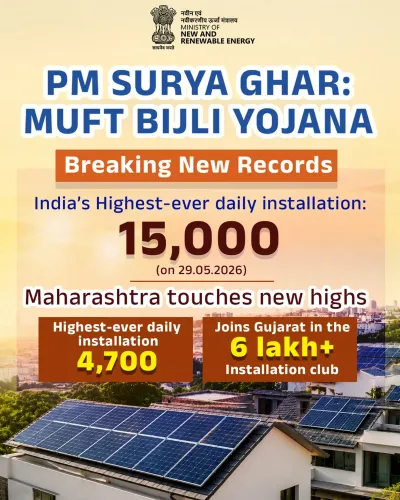
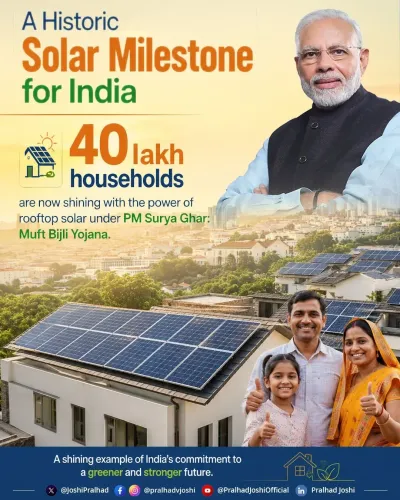
Union Minister Pralhad Joshi on 25 June 2026 highlighted that households in Kerala and Rajasthan are now receiving zero electricity bills under the PM Surya Ghar: Muft Bijli Yojana, a Rs 75,000-crore central scheme targeting one crore rooftop solar installations to advance India's clean energy goals.
Key Takeaways
Union Minister Pralhad Joshi on 25 June 2026 highlighted zero electricity bills for households in Kerala and Rajasthan under the PM Surya Ghar: Muft Bijli Yojana.
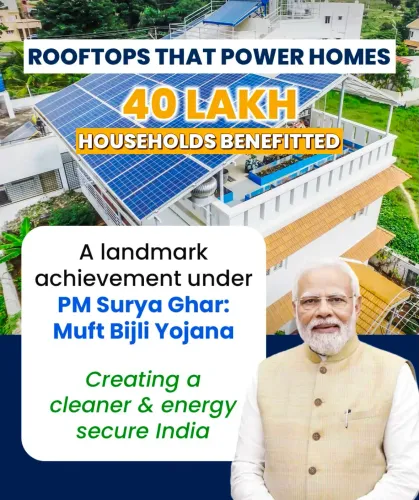
The PM Surya Ghar: Muft Bijli Yojana has an outlay of Rs 75,000 crore and targets one crore households with rooftop solar installations.
Beneficiary families can receive up to 300 units of free electricity per month through the scheme.
The scheme builds on the National Solar Mission (2010) and Rooftop Solar Programme Phase-II (2019) , extending central financial assistance to residential rooftop solar.
India aims for 500 GW of non-fossil power capacity by 2030 and net-zero emissions by 2070 , with distributed rooftop solar a key pillar of that strategy.
State discoms and solar installers are key stakeholders; net-metering and banking regulation updates will shape wider rollout speed.
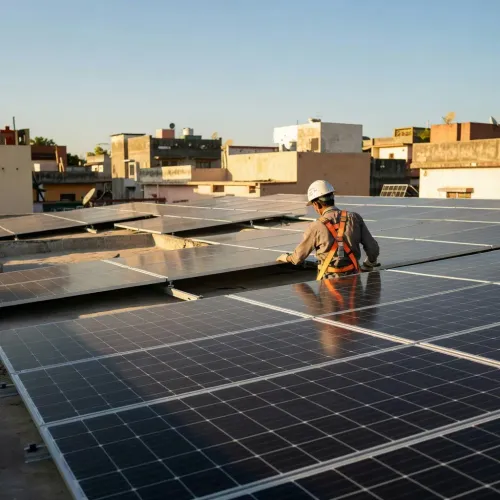
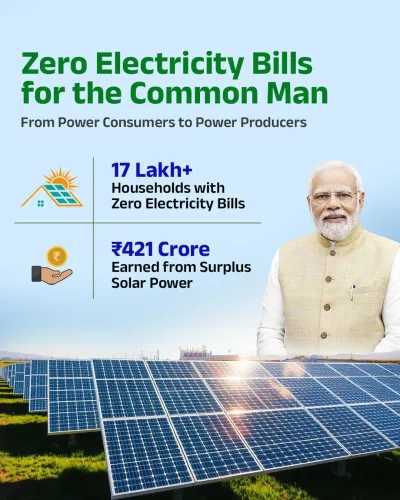
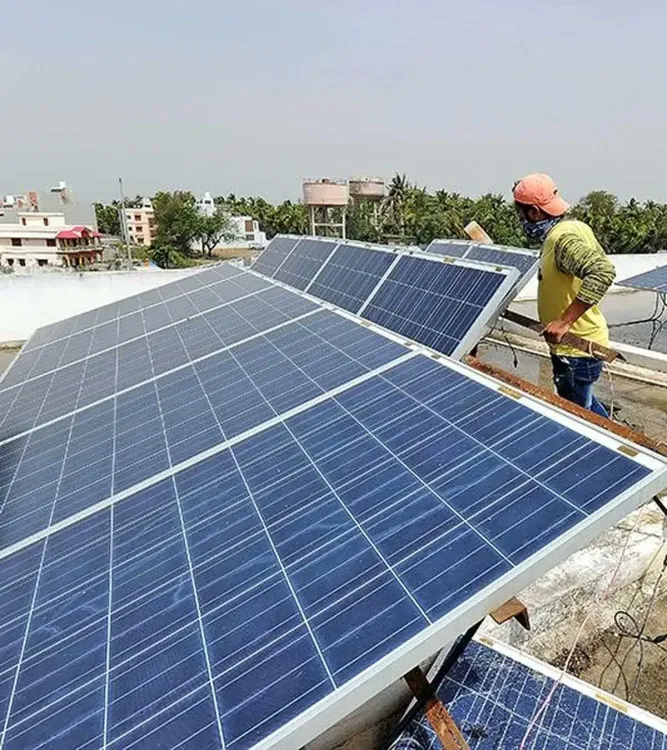
Union Consumer Affairs and New and Renewable Energy Minister Pralhad Joshi on Thursday, 25 June 2026, highlighted the growing impact of the PM Surya Ghar: Muft Bijli Yojana, pointing to households in Kerala and Rajasthan that are now receiving zero electricity bills after installing rooftop solar panels under the central scheme.
Context
Joshi's post described the scheme's outcomes as 'transformative,' noting that rooftop solar installations are 'helping households significantly reduce electricity expenses.' He credited the results to the 'visionary leadership' of Prime Minister Narendra Modi and framed the initiative as a driver of India's clean energy transition.
The minister specifically named Kerala — a southern state that has reported early household-level adoption outcomes — and Rajasthan, a western state with high solar irradiance, as the two states where families are achieving zero monthly power bills.
Policy Backdrop
The PM Surya Ghar: Muft Bijli Yojana was formally announced in Union Budget 2024-25 with an outlay of Rs 75,000 crore and a target of covering one crore households. The scheme provides central financial assistance for rooftop solar installations and is designed to deliver up to 300 units of free electricity per month to beneficiary families.
The scheme builds on a long policy lineage: the National Solar Mission launched in 2010 established the framework for grid-connected rooftop solar, while the Rooftop Solar Programme Phase-II, approved in 2019, expanded central financial assistance and state implementation support for residential installations. The current scheme links adoption directly to monthly bill reduction and reduced peak demand on state grids.
India's broader renewable energy agenda targets 500 GW of non-fossil capacity by 2030 and net-zero emissions by 2070, combining utility-scale solar parks with distributed rooftop generation. Central subsidies, state net-metering rules, and distribution company facilitation have been the principal levers to drive household-level solar uptake.
Stakeholders and Impact
The primary beneficiaries are residential households, particularly those in states with strong solar irradiance or active state-level implementation frameworks. For families that achieve zero bills, the scheme effectively eliminates a recurring monthly expenditure while feeding surplus power back into the grid through net-metering arrangements.
State electricity distribution companies (discoms) stand to benefit from reduced peak demand and a more distributed generation base, though the financial impact on discom revenues from net-metering settlements remains a subject of ongoing regulatory calibration. The solar installation and manufacturing industry is also a key stakeholder, with the scheme generating demand for domestic rooftop solar equipment and certified installers.
What's Next
Quarterly installation and subsidy-release data from the Ministry of New and Renewable Energy will be closely watched as indicators of whether the scheme is on track to meet its one-crore household target. State-level amendments to net-metering and solar banking regulations will also shape how quickly households in other states can replicate the zero-bill outcomes seen in Kerala and Rajasthan.
If the scheme sustains momentum, it could serve as a model for integrating distributed solar generation into India's grid planning, reducing dependence on fossil-fuel-based peak power and accelerating the country's clean energy commitments under its Nationally Determined Contributions.
Point of View
Converting an infrastructure subsidy into a direct household savings story.
NationPress
23 Sept 2026
Frequently Asked Questions
What is PM Surya Ghar Muft Bijli Yojana?
PM Surya Ghar: Muft Bijli Yojana is a central government scheme with a Rs 75,000-crore outlay that provides financial assistance for rooftop solar installations in one crore Indian households, aiming to deliver up to 300 units of free electricity per month to each beneficiary family.
How are households getting zero electricity bills under PM Surya Ghar?
Households install rooftop solar panels with central financial assistance under the scheme. The solar power generated covers their consumption, and surplus units fed back to the grid through net-metering arrangements offset any remaining charges, resulting in a zero monthly electricity bill for many families.
Which states are seeing zero power bills under PM Surya Ghar Yojana?
Minister Pralhad Joshi specifically highlighted Kerala and Rajasthan as states where families are now receiving zero electricity bills after adopting rooftop solar under the scheme.
When was PM Surya Ghar Muft Bijli Yojana launched?
The scheme was formally announced in Union Budget 2024-25, building on earlier rooftop solar programmes including the National Solar Mission of 2010 and the Rooftop Solar Programme Phase-II approved in 2019.
What is India's rooftop solar target under PM Surya Ghar?
The scheme targets one crore households across India, with a total government outlay of Rs 75,000 crore to fund central financial assistance for rooftop solar installations.