How is the PM Surya Ghar Scheme Enabling Zero Electricity Bills for 7.7 Lakh Households?

Synopsis
The PM Surya Ghar Muft Bijli Yojana is transforming energy consumption in India by providing over 7.7 lakh households with zero electricity bills through rooftop solar systems. Launched in February 2024, this initiative aims to promote clean energy and reduce household expenses. Discover how this innovative scheme is reshaping India’s energy landscape.
Key Takeaways
Over 7.7 lakh households are enjoying zero electricity bills.
Launched in February 2024, the scheme aims for one crore installations by 2026–27.
Gujarat is the top state with 4.93 lakh installations .
The government offers financial assistance to make installations affordable.
Promotes energy self-reliance and clean energy transition .
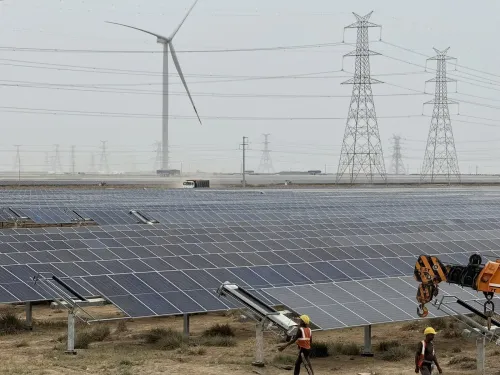
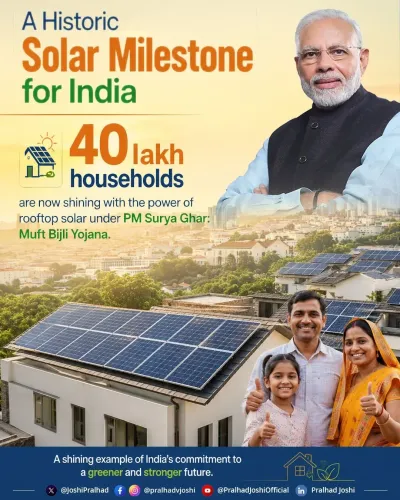
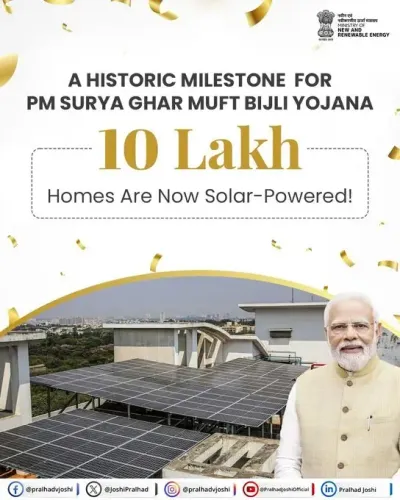
New Delhi, Dec 16 (NationPress) The PM Surya Ghar Muft Bijli Yojana is making significant strides in revolutionizing India's home energy sector. Over 7.7 lakh households are now enjoying zero electricity bills thanks to the installation of rooftop solar systems, as reported by the Ministry of New and Renewable Energy on Tuesday.
Initiated in February 2024, this scheme aims to make clean energy accessible and reduce the financial strain of electricity on families nationwide.
In a recent statement to the Rajya Sabha, Union Minister of State for New and Renewable Energy Shripad Yesso Naik highlighted that by December 9, a total of 19,45,758 rooftop solar systems have been set up across the country.
“These installations have benefitted 24,35,196 households under this flagship initiative,” the ministry added.
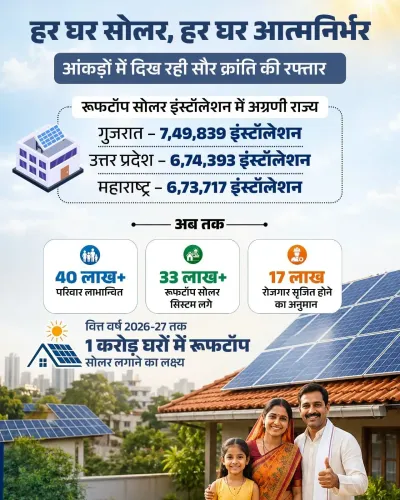
The PM Surya Ghar Muft Bijli Yojana aims to equip one crore households in the residential sector with rooftop solar installations by FY 2026–27, with a budget allocation of Rs 75,021 crore.
This initiative promotes energy self-sufficiency, decreases electricity costs, and facilitates India's transition to clean energy.
According to ministry data, Gujarat leads the way under this scheme, boasting over 4.93 lakh rooftop solar installations that are benefiting more than 7.10 lakh households.
Remarkably, over 3.62 lakh consumers in the state are now enjoying zero electricity bills.
Andhra Pradesh, Assam, and Haryana are demonstrating notable progress as well, with thousands of households reaping the benefits of rooftop solar systems.
To ensure that rooftop solar remains financially feasible, the government is offering Central Financial Assistance and collateral-free loans at a concessional interest rate of 5.75%.
This financial support aims to lower the initial installation costs and encourage broader involvement.
The government is also implementing measures to boost adoption among rural households and economically disadvantaged groups.
Guidelines have been established for the installation of rooftop solar systems under the Utility Led Aggregation and RESCO models, which mitigate financial and operational obstacles for beneficiaries.
Point of View
I believe the PM Surya Ghar Muft Bijli Yojana is a noteworthy step towards India’s energy independence. It not only alleviates the financial burden on households but also promotes environmental sustainability. The commitment to solar energy reflects a progressive approach to energy needs, and it is vital for the nation’s future.
NationPress
22 Sept 2026
Frequently Asked Questions
What is the PM Surya Ghar Muft Bijli Yojana?
The PM Surya Ghar Muft Bijli Yojana is a government initiative launched in February 2024 to promote rooftop solar installations and provide households with zero electricity bills.
How many households are benefiting from this scheme?
As of now, over 7.7 lakh households have reported zero electricity bills due to the installation of rooftop solar systems.
What financial assistance is provided under this scheme?
The government offers Central Financial Assistance and collateral-free loans at a concessional interest rate of 5.75% to make rooftop solar installations more affordable.
Which states are leading in rooftop solar installations?
Gujarat is currently leading with over 4.93 lakh installations, followed by progress in Andhra Pradesh, Assam, and Haryana.
What are the goals of the PM Surya Ghar Muft Bijli Yojana?
The scheme aims to install rooftop solar systems in one crore households by FY 2026–27, promoting energy self-sufficiency and supporting India's clean energy transition.