PM Surya Ghar scheme: 39.7 lakh rooftop solar units installed, 48 lakh homes benefit
Synopsis
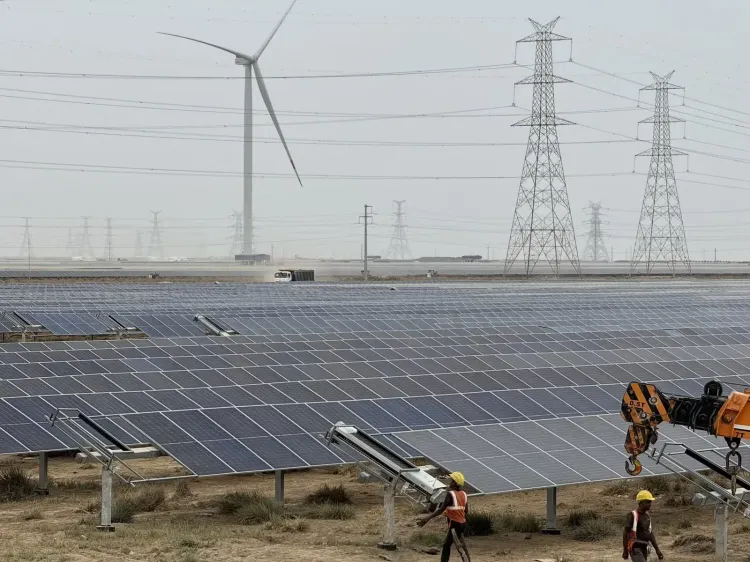
Since its February 2024 launch, PM Surya Ghar: Muft Bijli Yojana has installed over 39.72 lakh rooftop solar systems across India — and more than 18.93 lakh households are now receiving zero electricity bills. With 6.7 GW added in 2025–26 alone and the IEA projecting solar to meet half of India's new power demand by 2030, this scheme is quietly reshaping how millions of Indians access electricity.
Key Takeaways
39.72 lakh rooftop solar systems installed since the scheme's launch in February 2024 , benefitting 48.02 lakh households .
18.71 lakh RTS systems were added in 2025–26 alone, contributing a cumulative capacity of 6.7 GW .
Over 18.93 lakh beneficiaries have received a zero electricity bill for at least one billing period after installation.
The scheme is open to all residential consumers with a grid-connected DISCOM connection; applications are made via the National Portal .
Government and commercial buildings are covered for installation but do not receive Central Financial Assistance (CFA) .
The IEA projects solar to meet nearly half of India's additional electricity demand by 2030 .
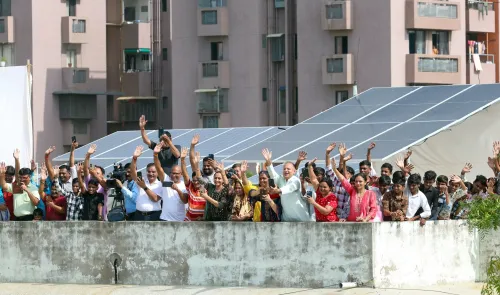
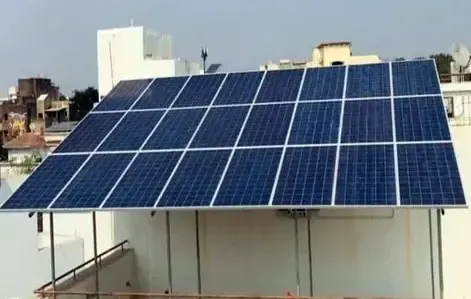
More than 39.72 lakh rooftop solar (RTS) systems have been installed across India since the launch of the PM Surya Ghar: Muft Bijli Yojana in February 2024, benefitting 48.02 lakh households nationwide, Minister of State for New and Renewable Energy Shripad Yesso Naik informed the Rajya Sabha on Tuesday, 28 July 2025. The scheme, which provides free electricity to residential consumers through subsidised rooftop solar installations, has emerged as one of the government's most expansive clean energy rollouts.
Key Installations and Capacity Added
During 2025–26 alone, 18.71 lakh RTS systems were installed, adding a cumulative solar capacity of 6.7 GW and directly benefitting 22.71 lakh households. This single-year addition represents a significant acceleration in the scheme's deployment pace since its inception.
Notably, over 18.93 lakh beneficiaries have been reported by Distribution Companies (DISCOMs) across the country — including rural households — to have received a zero electricity bill for at least one billing period following installation of rooftop solar systems under the scheme.
How the Scheme Works
The PM Surya Ghar: Muft Bijli Yojana is a demand-driven programme open to all residential consumers — including those in rural areas — who hold a grid-connected electricity connection with their local DISCOM. Eligible applicants can register and apply for benefits through the scheme's National Portal.
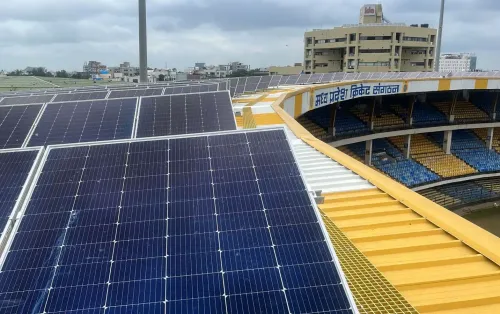
Beyond the residential sector, the scheme also envisages installation of RTS plants in government and commercial buildings, including educational institutions and health facilities. However, Central Financial Assistance (CFA) is not extended to these categories, as the minister noted that rooftop solar installation is already financially viable for them without a subsidy.
India's Solar Trajectory and IEA Projections
The scheme's momentum aligns with broader projections for India's energy future. According to the International Energy Agency (IEA), nearly half of India's additional electricity demand between now and 2030 is expected to be met through solar energy. Another quarter is likely to be sourced from other low-carbon alternatives, including wind, hydroelectric, and nuclear power, according to the IEA report.
This comes amid India's stated ambition to achieve 500 GW of non-fossil fuel-based electricity capacity by 2030 — a target that places rooftop solar at the centre of the country's energy transition strategy.
What Comes Next
With installations accelerating and zero-bill beneficiaries crossing the 18 lakh mark, the government is expected to push for wider rural adoption and deeper DISCOM integration in the coming quarters. The scheme's performance will be a key metric as India approaches its 2030 renewable energy commitments under international climate frameworks.
Point of View
But the more telling metric is the 18.93 lakh households now receiving zero electricity bills — a tangible, verifiable outcome that goes beyond installed capacity figures. The real stress test for PM Surya Ghar will be DISCOM compliance and grid integration at scale; historically, state discoms have been the weakest link in rooftop solar rollouts, often delaying net-metering approvals. With the IEA projecting solar to cover half of India's incremental power demand by 2030, the government cannot afford execution slippage at the distribution layer. Whether rural adoption keeps pace with urban uptake will determine if this scheme truly democratises clean energy or remains concentrated in metros and tier-1 cities.
NationPress
27 Oct 2026
Frequently Asked Questions
What is the PM Surya Ghar: Muft Bijli Yojana?
PM Surya Ghar: Muft Bijli Yojana is a government scheme launched in February 2024 that subsidises rooftop solar installations for residential consumers connected to the grid via their local DISCOM. It aims to reduce electricity bills — and in many cases eliminate them entirely — by enabling households to generate their own solar power.
How many households have benefitted from PM Surya Ghar so far?
As of 28 July 2025, a total of 48.02 lakh households across India have benefitted from the scheme since its February 2024 launch, with 39.72 lakh rooftop solar systems installed cumulatively.
How many beneficiaries are receiving zero electricity bills under the scheme?
Over 18.93 lakh beneficiaries — as reported by DISCOMs across the country, including rural households — have received a zero electricity bill for at least one billing period following installation of a rooftop solar system under the scheme.
Who is eligible for the PM Surya Ghar scheme?
All residential consumers in India, including those in rural areas, who hold a grid-connected electricity connection with their local DISCOM are eligible. Applications can be submitted through the scheme's National Portal. Government and commercial buildings, including schools and hospitals, can install RTS plants under the scheme but do not receive Central Financial Assistance.
What is India's solar energy outlook according to the IEA?
According to the International Energy Agency (IEA), nearly half of India's additional electricity demand between now and 2030 is expected to be met through solar energy. Another quarter is projected to come from other low-carbon sources such as wind, hydroelectric, and nuclear power.