CM Samrat Choudhary hails ₹53,800 Cr Navy corvette deal
Synopsis
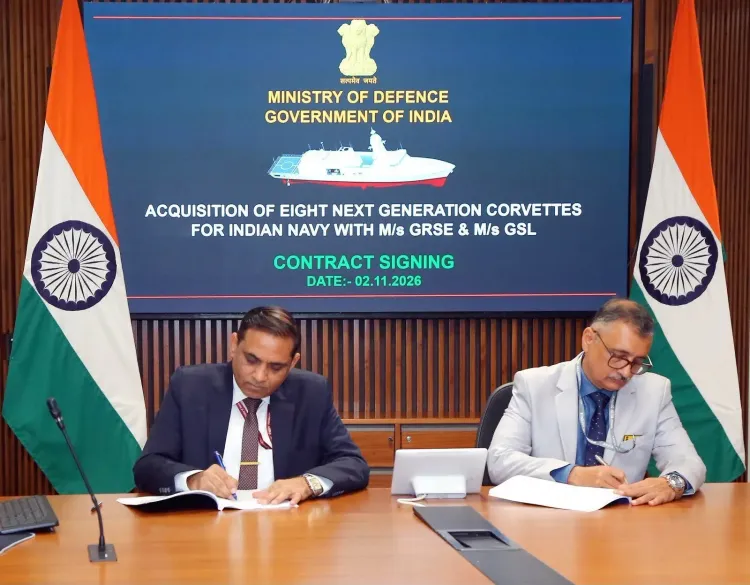
Bihar CM Samrat Choudhary praised the signing of contracts worth over ₹53,800 crore for 8 next-generation corvettes for the Indian Navy, to be built by GRSE and Goa Shipyard, calling it a landmark for Make in India and Aatmanirbhar Bharat.
Key Takeaways
Contracts signed for 8 next-generation corvettes for the Indian Navy at a value exceeding ₹53,800 crore .
Garden Reach Shipbuilders and Engineers Limited (GRSE) , Kolkata, and Goa Shipyard Limited (GSL) will construct the warships.
The order is expected to boost defence MSMEs and generate new employment opportunities across the shipbuilding supply chain.
Bihar CM Samrat Choudhary linked the deal to PM Modi's Make in India (2014) and Aatmanirbhar Bharat (2020) programmes.
The contract advances India's long-term policy of reducing import dependence through indigenous naval platform construction.
Key milestones to follow: keel-laying dates, delivery schedules, and MSME linkage data from the two shipyards.
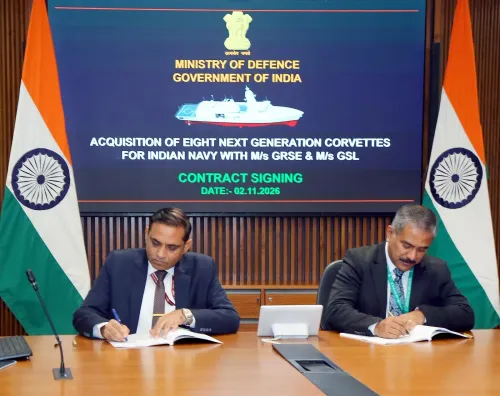
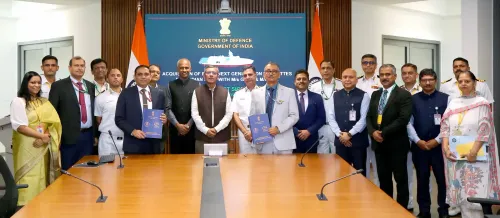
Eight next-generation corvettes, two public-sector shipyards, and a contract worth more than ₹53,800 crore — Bihar Chief Minister Samrat Choudhary on Monday, 2 November 2026 welcomed the signing of one of the largest indigenous naval shipbuilding contracts in recent Indian defence history, calling it a defining milestone for Aatmanirbhar Bharat (self-reliant India).
In a post on X, CM Choudhary wrote: 'New strength for India's maritime power and defence self-reliance. The signing of contracts for the construction of 8 next-generation corvettes worth more than ₹53,800 crore for the Indian Navy is an important achievement in the direction of Make in India.' He added that the warships, to be built by Garden Reach Shipbuilders and Engineers Limited (GRSE) in Kolkata and Goa Shipyard Limited (GSL) in Goa, will energise indigenous shipbuilding, MSMEs, and fresh employment opportunities.
GRSE and Goa Shipyard carry the weight of the order
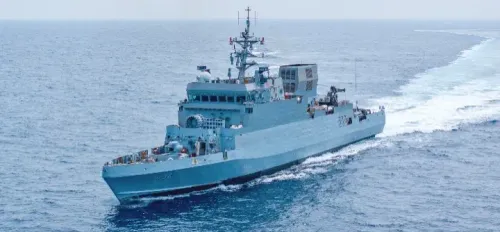
GRSE, the Kolkata-based defence public sector shipyard, has a long track record of delivering naval vessels — from corvettes to frigates — for the Indian Navy. Its partner in this contract, Goa Shipyard Limited, specialises in patrol vessels and corvettes and has steadily expanded its indigenisation footprint. Together, the two yards will now shoulder the construction of eight next-generation corvettes — compact, fast, and heavily armed surface combatants designed for coastal and offshore patrol in high-threat maritime environments.
The scale of the order means significant downstream work for defence MSMEs in the supply chain, from propulsion components to sensors and combat-management systems — amplifying the employment and industrial impact well beyond the two shipyards' own workforces.
Make in India's decade-long defence pivot pays dividends
Prime Minister Narendra Modi's Make in India campaign, launched in September 2014, set domestic defence manufacturing as a cornerstone goal. The Aatmanirbhar Bharat initiative, announced in May 2020, sharpened that ambition further — placing indigenous naval construction at the heart of India's strategic autonomy drive and successive defence budgets have backed it with procurement policies that tilt heavily toward domestic yards over foreign suppliers.
The corvette contract sits squarely inside that arc. India's navy has progressively moved from importing surface combatants to building them at home, reducing foreign-exchange outflows and, critically, building sovereign technological capability. Next-generation corvettes extend that logic — a platform designed and built in India, drawing on Indian industry for the majority of its systems.
What comes next for India's naval build-up
CM Choudhary framed the contracts as proof that Modi's vision of a Viksit Bharat (developed India) is being realised through tangible defence manufacturing achievements. The next markers to watch: keel-laying ceremonies at GRSE and GSL, delivery timelines for the eight hulls, and whether employment and MSME-linkage numbers from the two yards bear out the government's indigenisation promise.
India's maritime frontier is long, its strategic competition intense, and its navy's expansion plans ambitious. Eight corvettes built at home — funded, designed, and assembled on Indian soil — are eight arguments that the country's defence industrial base has come of age.
Point of View
Welcoming this deal carries clear political value: it translates abstract 'Aatmanirbhar' rhetoric into a specific rupee figure and a named shipyard. The real test, however, will be in execution — whether GRSE and GSL can deliver on schedule and whether MSME supply-chain targets are met. If they do, this contract strengthens the case that India's defence industrial base has crossed a strategic threshold.
NationPress
2 Nov 2026
Frequently Asked Questions
What is the value of the Indian Navy next-generation corvette contract?
The contracts are worth more than ₹53,800 crore for the construction of 8 next-generation corvettes for the Indian Navy.
Which shipyards will build the next-generation corvettes for the Indian Navy?
Garden Reach Shipbuilders and Engineers Limited (GRSE) in Kolkata and Goa Shipyard Limited (GSL) in Goa will build the eight next-generation corvettes.
What is a next-generation corvette and why does the Indian Navy need it?
A corvette is a compact, fast surface combatant used for coastal patrol, anti-submarine warfare, and offshore security. Next-generation variants incorporate advanced sensors, weapons, and propulsion systems to counter modern maritime threats.
How does this corvette deal relate to Make in India and Aatmanirbhar Bharat?
The Make in India campaign (2014) and Aatmanirbhar Bharat initiative (2020) both prioritise building defence platforms domestically. Awarding the corvette contract to Indian public-sector shipyards directly fulfils those indigenisation goals and reduces foreign-exchange spending on imported warships.
What employment benefits will the corvette shipbuilding contract generate?
Beyond direct jobs at GRSE and GSL, the contracts are expected to create supply-chain opportunities for defence MSMEs across sectors including propulsion, electronics, and combat systems, though specific employment numbers have not yet been announced.