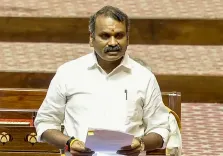
CM Samrat Choudhary Hails Induction of 3 Navy Warships
Synopsis
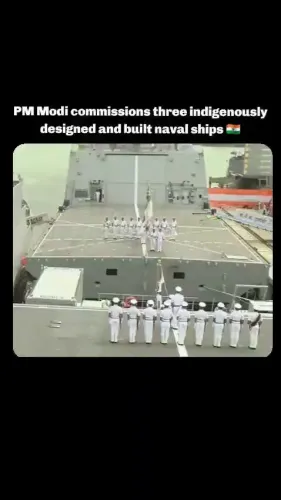
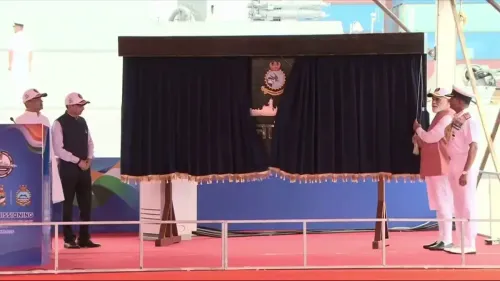
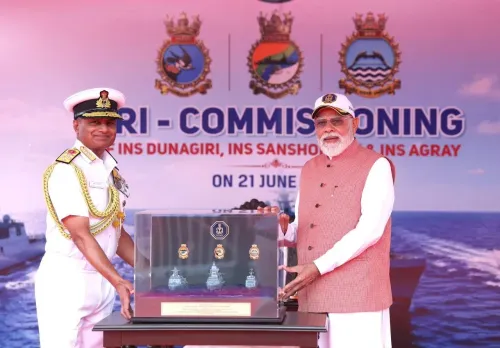
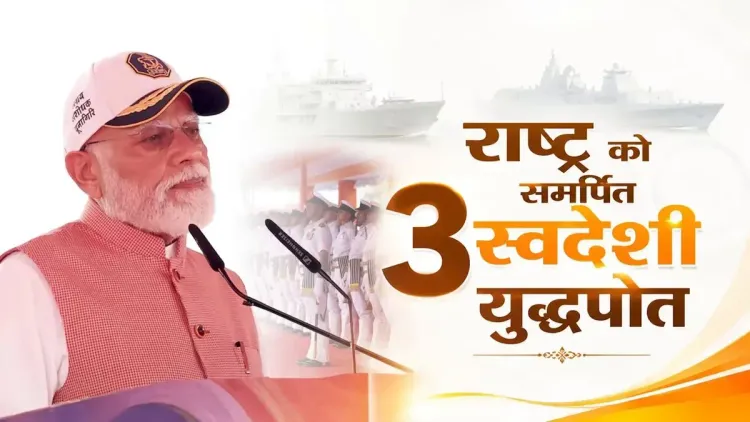
Bihar Chief Minister Samrat Choudhary on June 21, 2026 hailed PM Modi's commissioning of three indigenously built Navy vessels — INS Doonagiri, INS Sanshodhak, and INS Agneya — as a landmark moment for India's self-reliance in defence and maritime security.
Key Takeaways
Bihar CM Samrat Choudhary praised PM Narendra Modi for commissioning three Indian Navy vessels on June 21, 2026 .
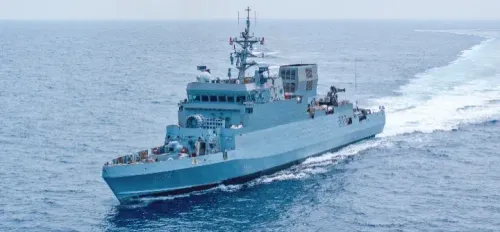
The vessels — INS Doonagiri , INS Sanshodhak , and INS Agneya — are built using indigenous technology under the Aatmanirbhar Bharat framework.
Choudhary said the induction will strengthen the Navy's operational capability, maritime security, and coastal surveillance.
India's indigenous content in naval acquisitions has grown from roughly 40 percent to over 60 percent in the last decade.
The Defence Production and Export Promotion Policy 2020 targets $5 billion in annual defence exports by 2029 .
The commissioning follows India's landmark induction of its first indigenous aircraft carrier, INS Vikrant , in September 2022 .
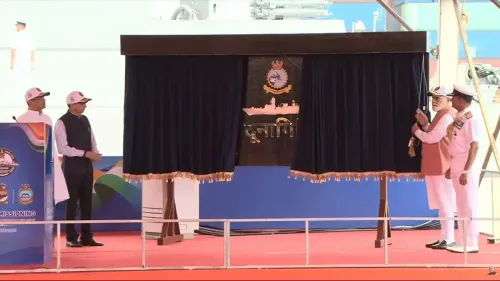
Bihar Chief Minister Samrat Choudhary on Sunday, June 21, 2026, lauded Prime Minister Narendra Modi for commissioning three indigenously built Indian Navy vessels — INS Doonagiri, INS Sanshodhak, and INS Agneya — calling the development a powerful symbol of a self-reliant India's growing defence strength.
In a post on X, Choudhary wrote that the dedication of these warships, built using indigenous technology, represents 'Aatmanirbhar Bharat ki raksha shakti ka sashakt prateek' — 'a strong symbol of self-reliant India's defence power.' He added that the induction of these advanced vessels would lend 'new strength to the Indian Navy's operational capability, maritime security, and coastal surveillance.'
Context
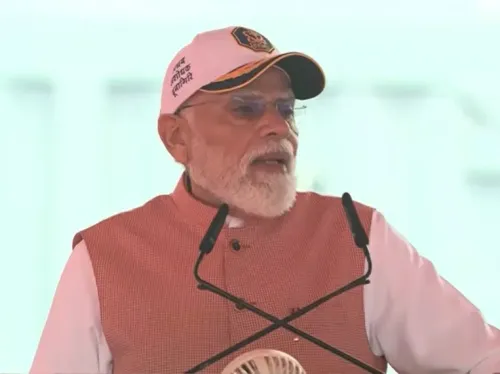
Prime Minister Narendra Modi commissioned the three naval vessels as part of India's continuing push to expand its maritime fleet using domestically designed and manufactured platforms. The event underscores the central government's emphasis on reducing dependence on foreign defence imports and building strategic autonomy in the Indian Ocean Region.
Samrat Choudhary, while based in Patna as Bihar's Chief Minister, has been a vocal supporter of central government defence and economic initiatives, frequently amplifying flagship schemes such as Aatmanirbhar Bharat on social media.
Policy Backdrop
The Aatmanirbhar Bharat Abhiyan, launched in May 2020, placed defence manufacturing at its core, with the Ministry of Defence releasing successive positive indigenisation lists that ban the import of specified platforms and components. The Defence Production and Export Promotion Policy 2020 set an ambitious target of $5 billion in annual defence exports by 2029.
India's indigenous naval programme received a landmark boost in September 2022 with the commissioning of INS Vikrant, the country's first domestically built aircraft carrier. Since then, public-sector shipyards such as Mazagon Dock Shipbuilders and Garden Reach Shipbuilders and Engineers, alongside private partners, have been executing multiple frigate, corvette, and survey-ship programmes.
The indigenous content target in naval acquisitions has risen from roughly 40 percent to over 60 percent in the last decade, reflecting a structural shift in procurement policy.
Stakeholders and Impact
The Indian Navy stands to gain directly in terms of expanded operational reach and reduced logistical dependence on foreign suppliers. Coastal security agencies responsible for surveillance of India's 7,500-kilometre coastline are also expected to benefit from the enhanced monitoring capabilities that survey and patrol vessels bring.
Domestic defence shipyards and their supply chains — spanning steel, electronics, and propulsion systems — represent another key stakeholder group, as indigenous commissioning events translate into sustained order books and employment in the manufacturing sector.
What's Next
Attention will now turn to the induction timelines for the remaining vessels under Project 17A — India's stealth frigate programme — as well as additional survey ships planned under the Navy's modernisation road map. The next Union defence budget and its accompanying indigenisation targets will be closely watched as a signal of the pace at which New India's maritime ambitions will be funded and executed.
As India deepens its strategic footprint in the Indian Ocean, the steady commissioning of domestically built naval assets is likely to remain a centrepiece of both defence diplomacy and domestic political messaging.
Point of View
Where state-level leaders reinforce Centre-driven defence milestones to project a unified 'New India' narrative. The choice to highlight maritime self-reliance is politically calculated — naval indigenisation is one of the few defence sub-sectors where India can show measurable, photogenic progress. By framing the commissioning as a symbol of 'Aatmanirbhar Bharat', the messaging ties a security achievement to an economic doctrine, broadening its resonance beyond strategic affairs. This pattern is likely to intensify ahead of any national electoral cycle, with defence self-reliance emerging as a durable pillar of BJP's governance record.
NationPress
20 Sept 2026
Frequently Asked Questions
What are INS Doonagiri, INS Sanshodhak, and INS Agneya?
INS Doonagiri, INS Sanshodhak, and INS Agneya are Indian Navy vessels commissioned by Prime Minister Narendra Modi as part of India's push for indigenous defence manufacturing under the Aatmanirbhar Bharat initiative.
What did Bihar CM Samrat Choudhary say about the new Navy warships?
Samrat Choudhary called the commissioning of the three vessels a strong symbol of self-reliant India's defence power, saying it would strengthen the Navy's operational capability, maritime security, and coastal surveillance.
What is Aatmanirbhar Bharat in defence?
Aatmanirbhar Bharat in defence refers to India's self-reliance campaign launched in May 2020, which includes import embargo lists for defence equipment and targets to raise indigenous content in military procurement to reduce dependence on foreign suppliers.
How has India's indigenous naval manufacturing grown?
India's indigenous content target in naval acquisitions has risen from roughly 40 percent to over 60 percent in the last decade, with public-sector yards like Mazagon Dock and Garden Reach executing multiple warship programmes.
What was India's first indigenous aircraft carrier?
INS Vikrant, commissioned in September 2022, was India's first domestically designed and built aircraft carrier, and remains a landmark achievement of the Make in India defence programme.