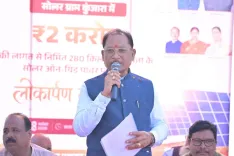
Chhattisgarh CMO flags Kunjara solar on-grid plant opening

Synopsis
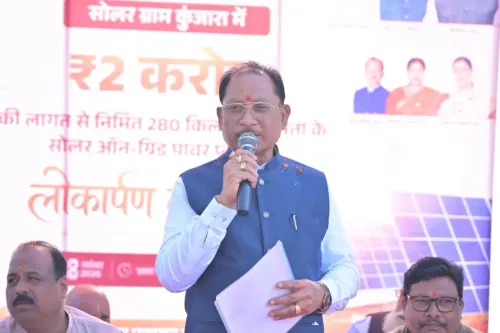
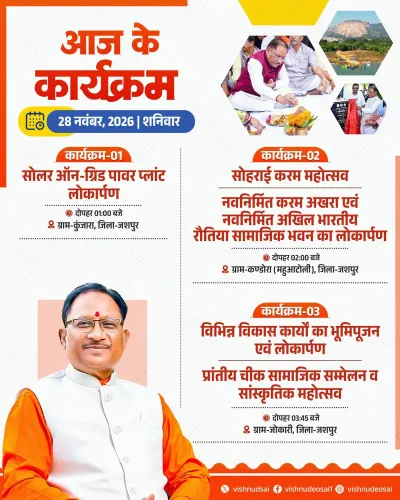
Chhattisgarh's CMO on 28 November 2026 flagged the inauguration of a solar on-grid power plant in village Kunjara, Jashpur, sharing a live broadcast of the programme.
Key Takeaways
The Chief Minister's Office of Chhattisgarh posted on 28 November 2026 about a solar on-grid power plant inauguration in village Kunjara, Jashpur.
The Hindi post called the event a lokarpan karyakram and linked a live broadcast.
On-grid plants feed power into the existing electricity network rather than running off-grid.
Jashpur is a northern Chhattisgarh district with a significant tribal population and a focus on rural infrastructure.
The National Solar Mission of 2010 remains the national frame for grid-connected solar; plant capacity and funding were not stated in the post.
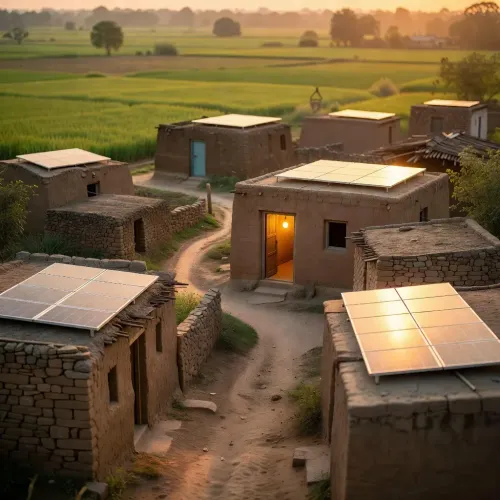
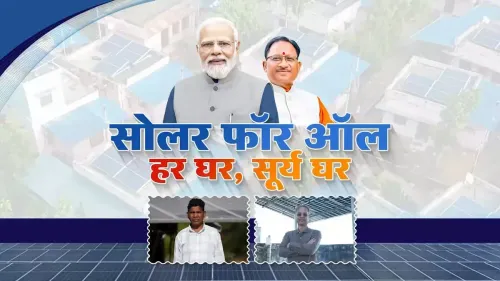
The Chief Minister's Office of Chhattisgarh on Saturday, 28 November 2026 put a tribal-belt power project on the map: the inauguration of a solar on-grid power plant in village Kunjara of Jashpur district. The office posted the lokarpan karyakram (inauguration programme) with a live broadcast link, framing a village switch-on as part of the state's rural clean-energy push.
The Hindi post named the asset in English as a 'Solar On-Grid Power Plant' and pinned it to Gram-Kunjara, Jashpur. An on-grid plant feeds electricity into the existing distribution network rather than running as a stand-alone island. For a village already on the map, that design is meant to add clean generation and ease the load on conventional supply.
Kunjara's plant and what on-grid actually means
The CMO account did not list capacity, cost, or who cut the ribbon. What it did make public is the location and the technology choice. On-grid solar is built to inject power into feeders that already serve homes and farms, not to replace the grid. That is a different bet from off-grid mini-systems in unconnected hamlets.
For residents of Kunjara, the ceremony is only the start. Reliability after dusk, not the live stream, will decide whether the plant changes daily life.
Jashpur's tribal hinterland as the test bed
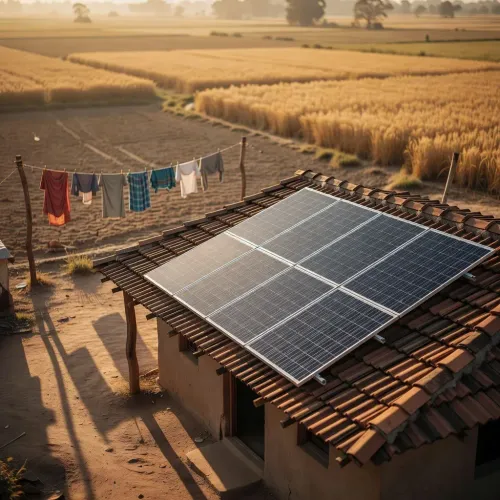
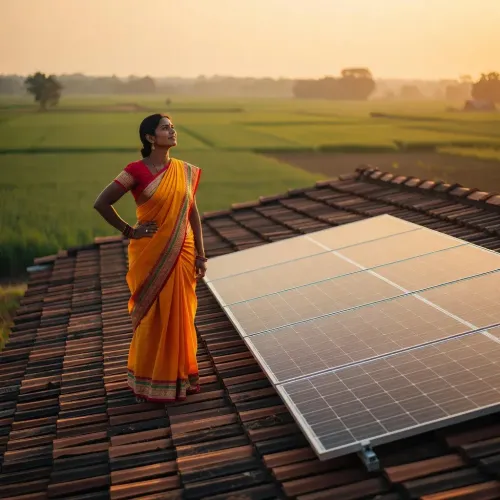
Jashpur, in northern Chhattisgarh, has a large tribal population and has long been a focus of rural infrastructure. The state has been expanding renewable installations to improve access in remote districts. On-grid solar sits inside that pattern: clean megawatts plugged into the same wires that already run through the hills.
India's National Solar Mission, launched in 2010, set the national frame for grid-connected solar across states. The Kunjara programme is a local expression of that lineage — a village plant announced from the CMO handle, not a new national scheme.
One village plant, a wider Chhattisgarh solar pattern
Chhattisgarh's energy story is still associated with coal, but district-level solar additions in tribal belts are how the state has been trying to diversify supply at the edge of the grid. Similar plants in other districts, and measured gains in local reliability, are the obvious next markers. The post itself is a programme notice, not a performance report.
Kunjara's lights will tell the rest of the story. If the feeders hold, expect more of these inaugurations in the north of the state.
Point of View
The policy test is whether Kunjara is a template or a one-off ceremony. Watch for similar plants in other northern districts and for any measured change in local outages.
NationPress
28 Nov 2026
Frequently Asked Questions
Where was the solar on-grid power plant inaugurated in Chhattisgarh?
In village Kunjara in Jashpur district. The Chief Minister's Office of Chhattisgarh posted about the inauguration programme on 28 November 2026.
What is an on-grid solar power plant?
It is a solar installation that feeds electricity into the existing power grid instead of supplying a village as a stand-alone off-grid system.
Which district is Kunjara village in?
Kunjara is in Jashpur district in northern Chhattisgarh, a region with a significant tribal population.
When did the Chhattisgarh CMO announce the Kunjara solar inauguration?
On Saturday, 28 November 2026, via the official Chief Minister's Office of Chhattisgarh account, with a live broadcast link.
How does this plant relate to India's solar policy?
Grid-connected solar at state level sits in the lineage of India's National Solar Mission, launched in 2010. The CMO post did not specify this plant's capacity or funding.