Chhattisgarh CMO greets state on Chhattisgarhi Rajbhasha Diwas
Synopsis
Chhattisgarh's CMO greeted all residents on Chhattisgarhi Rajbhasha Diwas, calling the language, customs and state pride one shared identity.
Key Takeaways
The Chief Minister's Office of Chhattisgarh posted greetings on 28 November 2026 for Chhattisgarhi Rajbhasha Diwas .
The message was in Chhattisgarhi: our speech, our values, our Chhattisgarh's pride, plus hearty wishes to all residents.
Chhattisgarhi is the primary spoken language across much of the state, alongside Hindi in daily life.
Chhattisgarh was formed in 2000 from Madhya Pradesh, with Raipur as capital.
The post was ceremonial and did not announce new language rules for administration or schools.
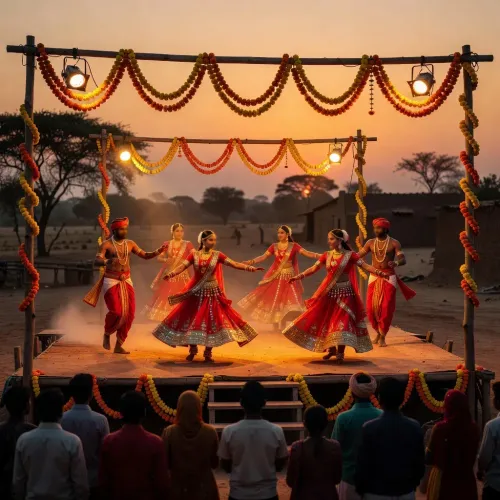
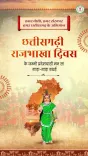
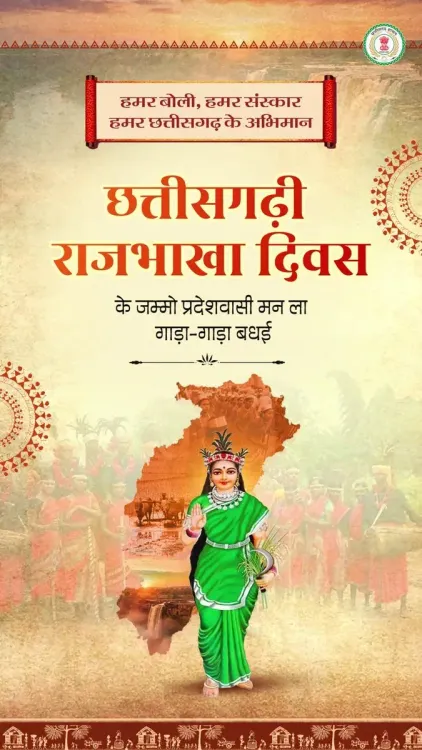
Pride in the mother tongue took the microphone on Saturday, 28 November 2026, as the Chief Minister's Office of Chhattisgarh wished every resident a proud Chhattisgarhi Rajbhasha Diwas. The official X post spoke in the state's own idiom, calling the day a celebration of हमर बोली, हमर संस्कार, हमर छत्तीसगढ़ के अभिमान (our speech, our values, our Chhattisgarh's pride).
The office offered गाड़ा-गाड़ा बधई — hearty congratulations — to जम्मो प्रदेशवासी मन, all people of the state, and tagged the moment to Chhattisgarhi culture. It was a ceremonial greeting, not a new law. Still, it put the spoken language of Chhattisgarh's plains and forests at the centre of the day's official message.
A greeting written in Chhattisgarhi
The wording was the story. Rather than a Hindi or English circular, the office chose Chhattisgarhi phrasing residents would hear as their own. Chhattisgarhi is the primary spoken language across much of the state, living beside Hindi in homes, markets, folk song and everyday talk.
The post braided three claims into one line: speech, custom, and state pride. That triad is the grammar of India's regional-language days, when a date on the calendar becomes a public reminder that identity travels in the tongue people actually use.
Language days in a state born in 2000
Chhattisgarh was carved from Madhya Pradesh in 2000, with Raipur as capital. Like other Indian states, it has used annual observances to affirm a regional language even as Hindi remains the working language of much of government. Tamil, Bengali, Marathi, Kannada and others follow the same pattern: cultural pride, plus a quiet claim on public space.
The CMO note did not announce new rules for classrooms or files. What it did was simpler, and louder in its own way. On Rajbhasha Diwas, the state's highest office chose to speak as the people speak — and to call that speech the pride of Chhattisgarh.
Point of View
A state only since 2000, is following that script: Hindi for much of official work, Chhattisgarhi for belonging. A CMO greeting in the local idiom is soft power, not a gazette. Watch whether later statements move from pride to actual use in classrooms and files.
NationPress
28 Nov 2026
Frequently Asked Questions
What is Chhattisgarhi Rajbhasha Diwas?
It is an annual observance in Chhattisgarh that promotes the Chhattisgarhi language and related cultural practices. The CMO marked it on 28 November 2026 with public greetings to all residents.
What did the Chhattisgarh CMO say on Rajbhasha Diwas?
The office wished all state residents a hearty Chhattisgarhi Rajbhasha Diwas. It described the day as a celebration of the state's language, customs and pride.
What language is Chhattisgarhi?
Chhattisgarhi is the primary spoken language across much of Chhattisgarh. It is used in homes, markets and folk culture alongside Hindi.
When was Chhattisgarh formed as a state?
Chhattisgarh was formed in 2000, carved out of Madhya Pradesh. Raipur is the state capital.
Did the CMO announce a new language policy?
No. The post was a ceremonial greeting and did not set new rules for administration or education. It focused on cultural pride in Chhattisgarhi.