CM Sai's food scheme covers 73 lakh Chhattisgarh families
Synopsis
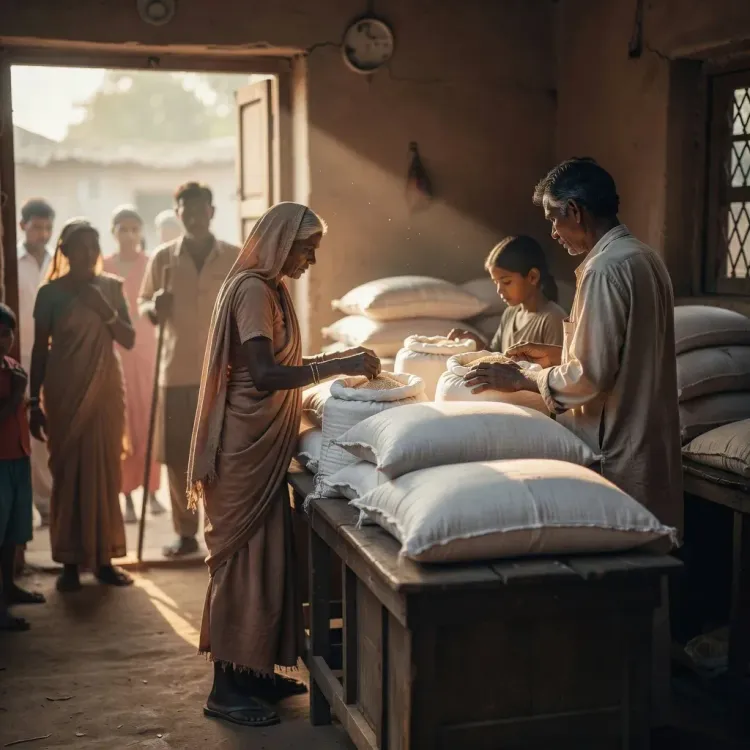
The Chief Minister's Office of Chhattisgarh says over 73 lakh families are receiving free foodgrain and 8.5 lakh more are getting subsidised rice under the Mukhyamantri Khadyann Sahayata Yojana, a state-level welfare programme led by CM Vishnu Deo Sai.
Key Takeaways
73 lakh-plus families in Chhattisgarh are receiving free foodgrain under the Mukhyamantri Khadyann Sahayata Yojana.
An additional 8.5 lakh-plus families receive rice at concessional rates under the same scheme.
The scheme is a state-level supplement to the National Food Security Act, 2013 .
CM Vishnu Deo Sai , in office since December 2023 , is the first tribal Chief Minister of the state and has anchored welfare delivery as a core governance priority.
Chhattisgarh's large tribal and rural population makes food security a perennial policy priority across administrations.
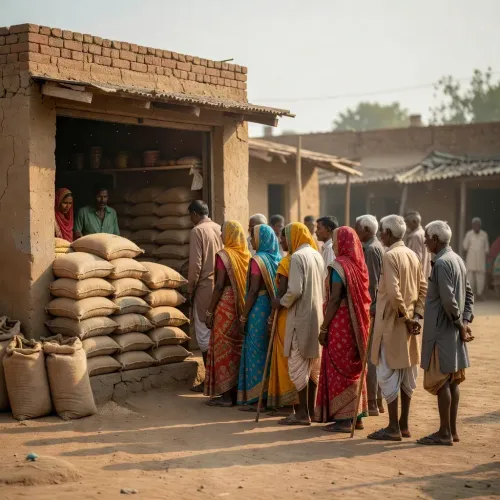
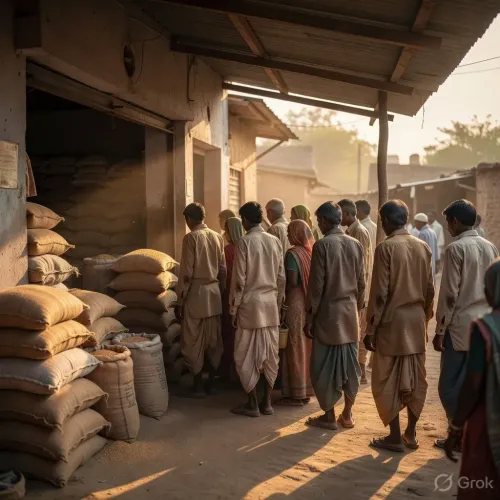
In a state where tribal and rural households have long battled food insecurity, Chief Minister Vishnu Deo Sai's government is extending a critical safety net — free grain to more than 73 lakh families and subsidised rice to over 8.5 lakh more across Chhattisgarh.
The Chief Minister's Office of Chhattisgarh highlighted the reach of the Mukhyamantri Khadyann Sahayata Yojana (Mukhyamantri Khādyānn Sahāytā Yojnā — Chief Minister's Food Assistance Scheme) on Tuesday, 29 September 2026, calling it a 'strong pillar of food security for needy families.'
What the scheme actually delivers
Under the programme, eligible households receive foodgrains at no cost, while a separate tier provides rice at concessional rates to families who fall outside the free-grain bracket but still need support. The dual-tier structure reflects a deliberate effort to cast a wider net — catching both the most vulnerable and the near-poor who would otherwise slip through.
The scheme operates on top of India's National Food Security Act, 2013, which created the baseline framework for subsidised grain distribution nationwide. States routinely layer their own programmes over NFSA entitlements, and Chhattisgarh has a long tradition of doing exactly that — successive governments here have topped up central allocations to address local poverty and persistently high malnutrition rates among its large tribal population.
Sai government's welfare branding in a tribal heartland
Vishnu Deo Sai, who took office in December 2023 as the Bharatiya Janata Party's first tribal Chief Minister of Chhattisgarh, has placed welfare delivery at the centre of his administration's public identity. Hashtags like #ViksitChhattisgarh (Developed Chhattisgarh) and #Sushasansarkar (Good Governance Government) in the official post signal a deliberate attempt to anchor this scheme within a broader development narrative ahead of future electoral cycles.
The numbers — 73 lakh-plus families on free grain and 8.5 lakh-plus on subsidised rice — represent a substantial slice of the state's roughly 65 million people, underlining how central food support remains to governance in one of India's poorer states.
The real test will come in the budget cycle: whether the state sustains — or scales — these allocations as fiscal pressures mount is the number that will matter most.
Point of View
' the BJP is working to own the food-security narrative ahead of future elections, much as competing administrations across India have done. The dual-tier structure — free grain plus subsidised rice — also shows a policy sophistication that tries to capture households just above the poverty line, reducing the exclusion errors that have historically dogged PDS delivery. Whether the fiscal headroom exists to maintain or expand these commitments under tightening state budgets remains the central question for this programme's long-term credibility.
NationPress
29 Sept 2026
Frequently Asked Questions
What is the Mukhyamantri Khadyann Sahayata Yojana in Chhattisgarh?
It is a state-level food assistance scheme launched by the Chhattisgarh government under Chief Minister Vishnu Deo Sai that provides free foodgrain to eligible needy families and rice at subsidised rates to additional households.
How many families benefit from the Chhattisgarh free grain scheme?
According to the Chief Minister's Office, more than 73 lakh families receive free grain and over 8.5 lakh families receive rice at concessional rates under the scheme.
How does Chhattisgarh's food scheme relate to the National Food Security Act?
The National Food Security Act, 2013, provides the baseline framework for subsidised grain distribution across India. Chhattisgarh's state scheme functions as an additional top-up on those central entitlements, a common practice among Indian states.
Who is Vishnu Deo Sai and why is his food scheme significant?
Vishnu Deo Sai is the Chief Minister of Chhattisgarh from the BJP, in office since December 2023 and the state's first tribal Chief Minister. His government has prioritised welfare delivery as central to its governance identity in a state with large tribal and rural populations.
Is the Chhattisgarh free grain scheme different from PM Garib Kalyan Anna Yojana?
Yes. PM Garib Kalyan Anna Yojana is a central government scheme, while the Mukhyamantri Khadyann Sahayata Yojana is a state-level programme that supplements central allocations to extend coverage to additional vulnerable families in Chhattisgarh.