CM Sai's Chhattisgarh Gives Landless Farm Workers ₹10,000 Yearly
Synopsis
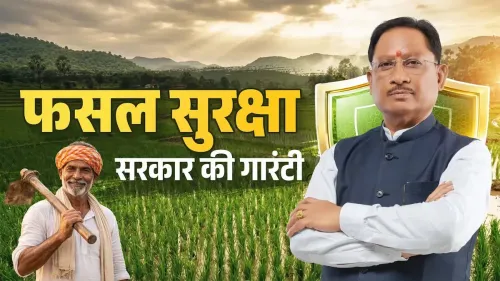
Chhattisgarh's BJP government under CM Vishnu Deo Sai is providing ₹10,000 per year to eligible landless agricultural labour families through the Deendayal Upadhyay Bhumihin Krishi Mazdoor Kalyan Yojana, targeting rural households with no land and no crop income.
Key Takeaways
₹10,000 annual cash assistance is being provided to eligible landless agricultural labour families in Chhattisgarh.
The scheme is named the Deendayal Upadhyay Bhumihin Krishi Mazdoor Kalyan Yojana and is administered by the state government.
Chief Minister Vishnu Deo Sai , in office since December 2023, is identified as the scheme's political sponsor.
The programme targets rural households with no land ownership , a demographic that falls outside land-linked central schemes like PM-KISAN.
The disbursal complements central safety-net programmes like MGNREGA by providing income support rather than wage employment.
The CMO's framing centres on 'sushasan' (good governance), positioning the scheme as a marker of the BJP administration's rural welfare agenda.
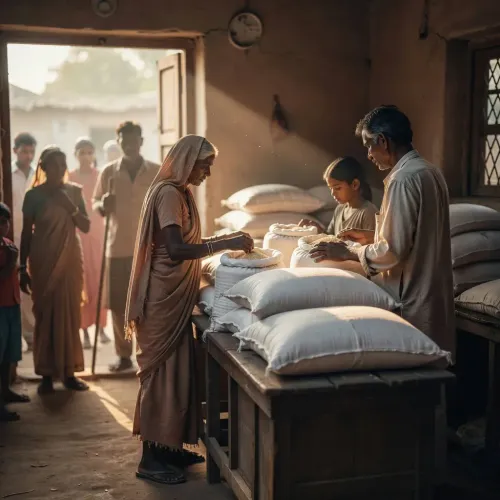
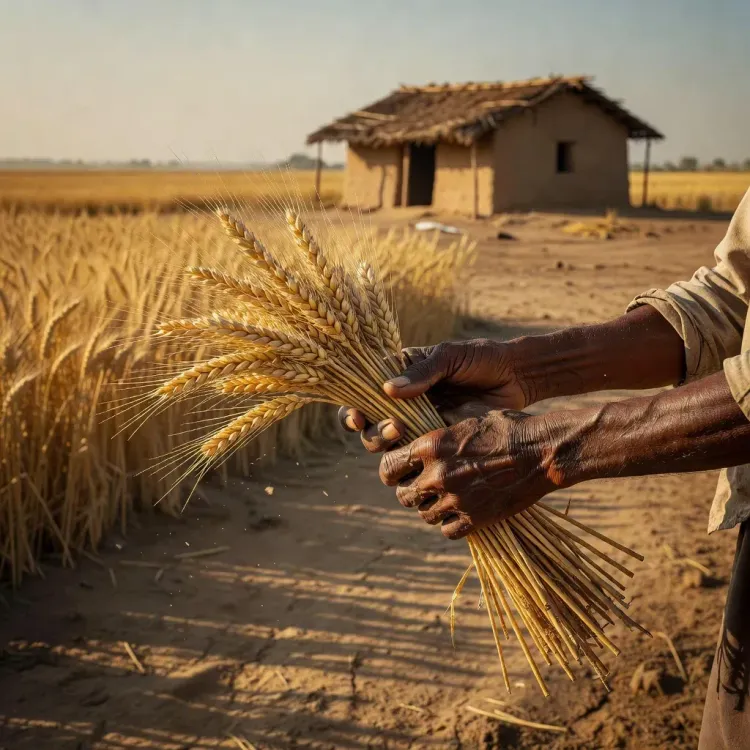
For the landless agricultural labourer in rural Chhattisgarh — no land title, no crop income, no formal safety net — a direct cash transfer of ₹10,000 a year can mean the difference between a debt spiral and a stable season. Under Chief Minister Vishnu Deo Sai, the state is channelling that support through the Deendayal Upadhyay Bhumihin Krishi Mazdoor Kalyan Yojana, and the Chief Minister's Office of Chhattisgarh confirmed the scheme's active disbursal on Tuesday, 27 October 2026.
What the scheme delivers — and who it targets
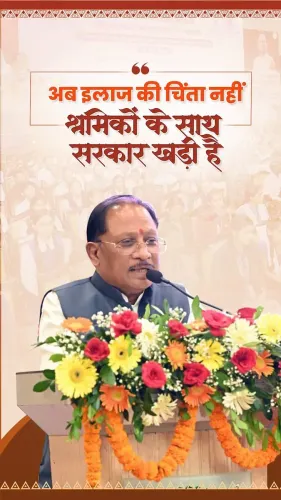
The Deendayal Upadhyay Bhumihin Krishi Mazdoor Kalyan Yojana is a state-run welfare programme that provides eligible landless agricultural labour families an annual direct cash assistance of ₹10,000. The CMO's post framed the initiative in straightforward terms: 'Shramik parivaron ko aarthik sambal, jeevan mein sammaan aur surakshit bhavishy pradan karna' — 'to provide economic support, dignity in life, and a secure future to labour families' — as the defining commitment of what it calls a sushasan sarkar, or good-governance government.
The scheme's target group is the rural poor who fall through the cracks of conventional agricultural support: households with no land of their own, dependent entirely on wage labour in fields owned by others. Chhattisgarh, a central-Indian state with large tribal and rural populations, has a substantial share of exactly this demographic.
The policy lineage behind the ₹10,000 transfer
Chhattisgarh has a longer history with landless-labour welfare than many states. Successive governments — both Congress and BJP — have experimented with targeted support for agricultural workers since the state's formation in the early 2000s. The current scheme carries the name of Pandit Deendayal Upadhyay, the ideological architect of the Jana Sangh and a symbol central to the BJP's political identity, signalling both the programme's policy continuity and its ideological framing under the Sai administration, which took office in December 2023 after the BJP's victory in the Chhattisgarh assembly elections.
Direct-benefit cash transfers to landless farm workers have become a standard tool in India's rural safety-net architecture, sitting alongside central programmes like MGNREGA, which provides wage employment, and PM-KISAN, which targets land-owning small farmers. State schemes like this one fill a specific gap: income support for the worker who owns neither land nor the harvest it yields.
The 'sushasan' signal and what comes next
The hashtags the CMO deployed — #ShramikKalyan, #Sushasansarkar, #ViksitChhattisgarh — reveal the political grammar at work. The Sai government has consistently used the 'sushasan' (good governance) frame to distinguish its tenure from the previous Congress administration, and welfare disbursal announcements are a primary vehicle for that messaging. The real metric, however, will show up in the state's budget allocations for the coming fiscal year: whether beneficiary coverage expands, whether the annual transfer amount is revised upward, and whether linkages to housing or skill programmes are added to the support package.
Point of View
Giving this state initiative real salience in Chhattisgarh's largely agrarian economy. The scheme's BJP-ideological branding — the Deendayal Upadhyay name — also reflects the party's broader effort to fuse welfare delivery with its core ideological identity. Whether the ₹10,000 amount keeps pace with inflation or expands in reach will be the true test of the programme's long-term ambition.
NationPress
27 Oct 2026
Frequently Asked Questions
What is the Deendayal Upadhyay Bhumihin Krishi Mazdoor Kalyan Yojana?
It is a Chhattisgarh state government welfare scheme that provides eligible landless agricultural labour families with an annual financial assistance of ₹10,000 as direct cash support.
Who is eligible for the Bhumihin Krishi Mazdoor Kalyan Yojana in Chhattisgarh?
Eligible beneficiaries are landless agricultural labour families in Chhattisgarh — rural households with no land ownership who depend on wage labour in agriculture.
How much money do landless farm workers get under this Chhattisgarh scheme?
Eligible families receive ₹10,000 per year as direct cash assistance under the Deendayal Upadhyay Bhumihin Krishi Mazdoor Kalyan Yojana.
Who is Vishnu Deo Sai and when did he become Chhattisgarh CM?
Vishnu Deo Sai is the Chief Minister of Chhattisgarh from the BJP, who took office in December 2023 after the party's victory in the state assembly elections.
How is this Chhattisgarh scheme different from PM-KISAN?
PM-KISAN provides income support to small and marginal land-owning farmers, whereas the Bhumihin Krishi Mazdoor Kalyan Yojana specifically targets landless agricultural labourers who own no farmland and are excluded from PM-KISAN benefits.