Akhilesh demands CEC act on UP MLC count delays
Synopsis
Samajwadi Party president Akhilesh Yadav on 27 October 2026 demanded CEC Gyanesh Kumar intervene in UP MLC counting, alleging deliberate delays, no round-wise results, and an information blackout for parties and press, threatening agitation and legal action.
Key Takeaways
Akhilesh Yadav directly addressed Chief Election Commissioner Gyanesh Kumar demanding immediate cognizance of UP MLC counting irregularities on 27 October 2026 .
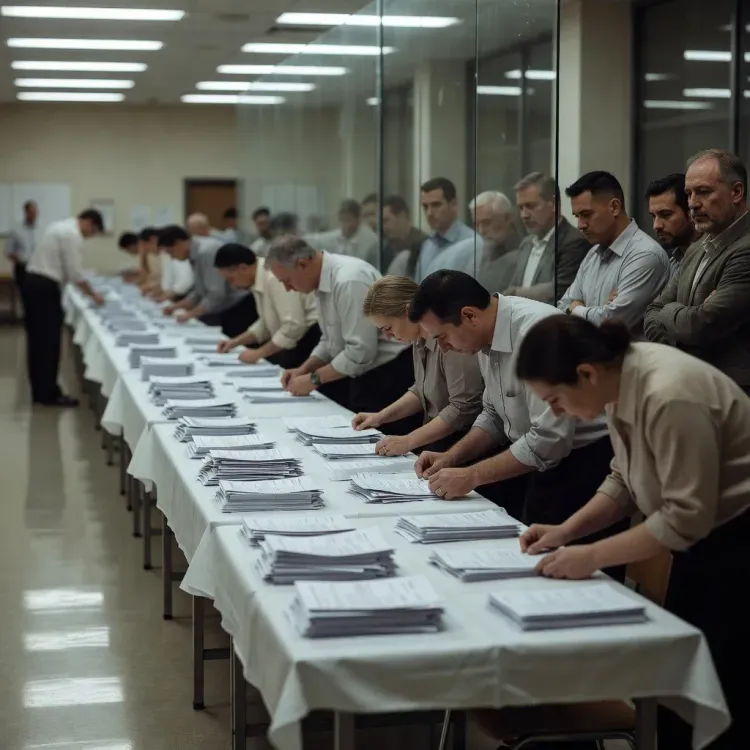
He alleged that ballot counting is being deliberately slowed and that official round-wise results are not being announced.
Neither political parties nor media are reportedly receiving any information from counting centre officials.
SP workers and office-bearers have been instructed to maintain vigil until formal victory certificates are issued.
Akhilesh threatened an agitation and criminal cases against District Magistrates or Commissioners found attempting any dishonesty.
The allegations tap into a recurring pattern of opposition-Election Commission tensions during indirect UP legislative council polls.
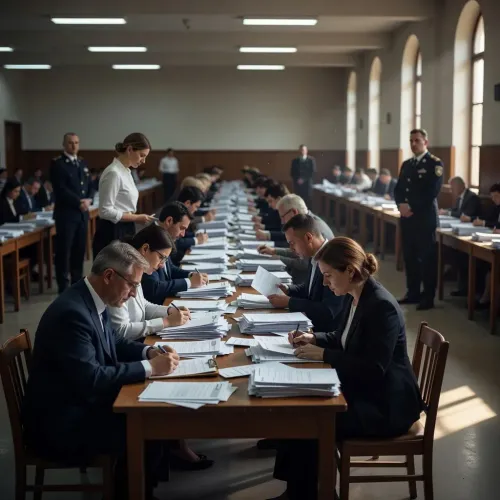
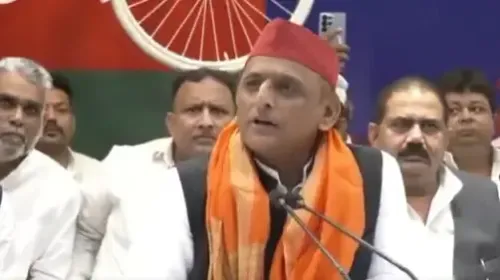
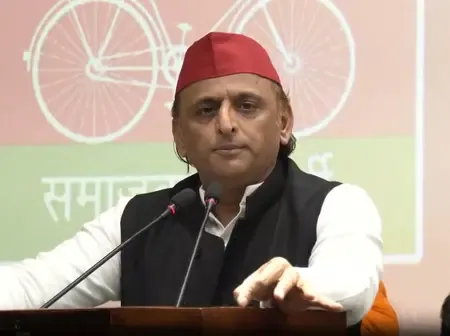
A UP MLC vote count turning opaque mid-way — that is the charge Samajwadi Party president Akhilesh Yadav levelled on Tuesday, 27 October 2026, demanding that Chief Election Commissioner Gyanesh Kumar intervene immediately to restore transparency in the ongoing Uttar Pradesh Legislative Council election tally.
In a sharply-worded post, Akhilesh wrote: 'मुख्य चुनाव आयुक्त श्री ज्ञानेश कुमार तत्काल संज्ञान लें और रिज़ल्ट को पारदर्शी बनाएं' — 'Chief Election Commissioner Shri Gyanesh Kumar should take immediate cognizance and make the results transparent.' His central grievance: vote counting is being deliberately slowed, round-by-round results are not being announced officially, and neither political parties nor the press are being informed.
What Akhilesh is specifically alleging
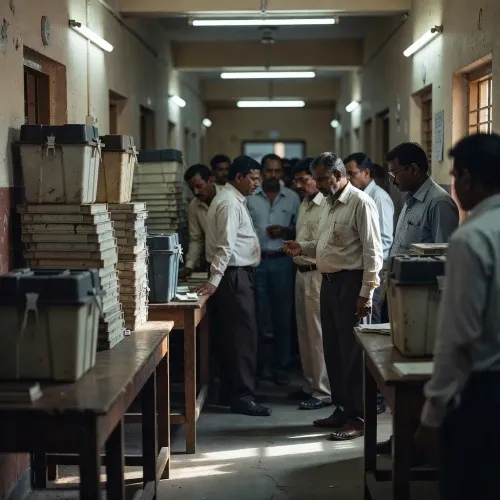
The SP chief listed three distinct failures in a single post. First, ballots are being counted at an artificially slow pace. Second, the Election Commission is not releasing official round-wise results — the standard transparency mechanism in any multi-round counting process. Third, neither party representatives nor media personnel on the ground are receiving any information at all. 'The Election Commission should not make a mockery of democracy,' he warned.
He then issued a direct threat of legal and street-level action: if District Magistrates or Commissioners attempt any dishonesty, the Samajwadi Party will launch an aandolan (agitation) and file criminal cases against them. SP workers and office-bearers, he said, are keeping 'sharp watch' on the counting and will stand firm until victory certificates are formally issued.
The structural tension behind every UP MLC count
UP's Legislative Council elections are indirect — the electorate consists of MLAs and local body members, not the general public. That limited, politically-charged electorate makes these contests intensely susceptible to allegations of influence and procedural manipulation from all sides. The Representation of the People Act mandates specific counting protocols, including round-wise disclosure, which is precisely why the absence of such disclosures is the sharpest edge of Akhilesh's complaint.
This is not an isolated moment. Opposition parties — and occasionally ruling parties in other states — have repeatedly raised procedural transparency concerns with the Election Commission during state-level counting exercises across India. In Uttar Pradesh, where the Samajwadi Party and the BJP are locked in near-permanent electoral combat, such allegations carry significant political weight and can quickly escalate from social media posts to court filings.
The clock now ticks for the Election Commission
Akhilesh's post effectively puts the Election Commission of India on notice in real time. An official response — or the absence of one — will itself become part of the story. SP cadres are already mobilised on the ground; any further counting delays or information blackouts will likely trigger the agitation he has publicly threatened.
The moment the Commission publishes verified round-wise data, the pressure deflates. The moment it does not, the SP has its next move ready — and Akhilesh has already told everyone what it is.
Point of View
He pre-emptively frames any unfavourable result as procedurally compromised. This fits a well-worn pattern in Indian opposition politics: using transparency demands as both a genuine safeguard and a political insurance policy. The real test is institutional: how swiftly the Election Commission responds will determine whether this stays a social media allegation or grows into a formal legal challenge. In the high-stakes arithmetic of Uttar Pradesh politics, even an MLC seat can shift local power balances significantly.
NationPress
27 Oct 2026
Frequently Asked Questions
What is the UP MLC election and how is voting done?
The UP MLC election refers to contests for seats in the Uttar Pradesh Legislative Council, the upper house of the state legislature. Unlike assembly elections, UP MLC polls are indirect — the electorate is made up of elected MLAs or local body members, not the general public.
What exactly is Akhilesh Yadav alleging about the UP MLC counting?
Akhilesh Yadav alleged on 27 October 2026 that counting was being deliberately slowed, that the Election Commission was not releasing official round-wise results, and that neither political parties nor media were being given any information during the count.
Who is Gyanesh Kumar and why is Akhilesh addressing him?
Gyanesh Kumar is the Chief Election Commissioner of India, the top constitutional officer responsible for overseeing free and fair elections. Akhilesh addressed him directly to demand he take immediate cognizance and ensure the UP MLC results are made transparent.
What action has Akhilesh Yadav threatened if irregularities continue?
Akhilesh said the Samajwadi Party will launch a public agitation and file criminal cases against District Magistrates or Commissioners found attempting any dishonesty in the counting process.
Is it mandatory for the Election Commission to release round-wise results in MLC counting?
Counting procedures under the Representation of the People Act include round-wise disclosure as a standard transparency mechanism. The absence of such announcements is the core procedural complaint Akhilesh has raised.