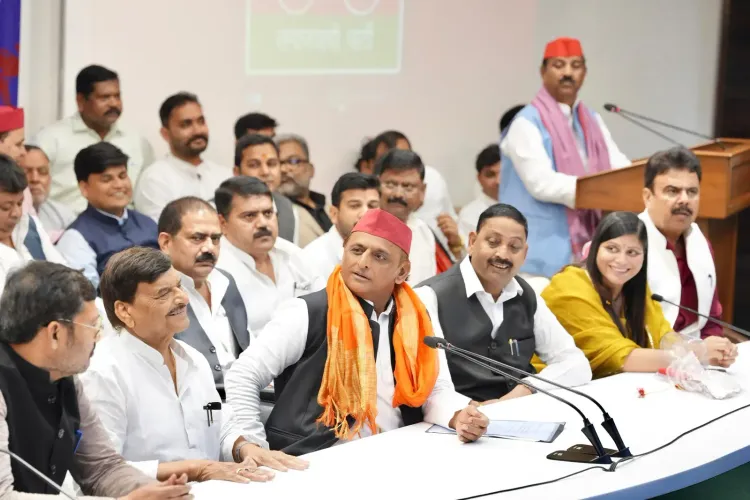
Akhilesh Yadav welcomes Dharmendra Kashyap into PDA fold
Synopsis
Samajwadi Party chief Akhilesh Yadav hails former MP Dharmendra Kashyap and his daughter Kirti Kashyap joining the PDA movement, calling it a major boost for the party in Bareilly, Rohilkhand, and across Uttar Pradesh ahead of the 2027 assembly elections.
Key Takeaways
Former MP Dharmendra Kashyap and his daughter Kirti Kashyap have joined Samajwadi Party's PDA movement , as announced by Akhilesh Yadav on 27 October 2026 .
Akhilesh says the development has 'multiplied several times over' the party's strength in Bareilly , Rohilkhand , and across Uttar Pradesh .
The PDA (Pichhda, Dalit aur Alpsankhyak) coalition operates under the slogan 'Sabko Samman, Sabko Sthan' and aims to unite OBC, Dalit, and minority communities.
Akhilesh specifically highlighted that the new entrants were once direct electoral opponents, framing their unity as a symbol of PDA's broader purpose.
Samajwadi Party has declared that the PDA will 'write the final chapter of BJP's dominance' in Uttar Pradesh.
The move is part of ongoing opposition coalition-building ahead of the 2027 Uttar Pradesh assembly elections .
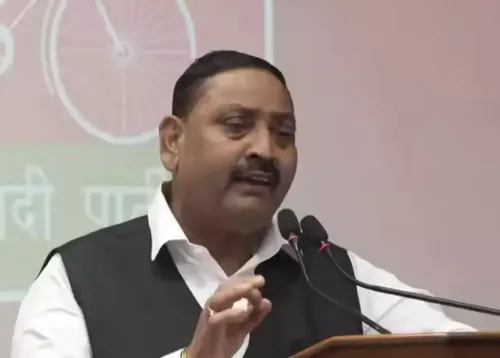
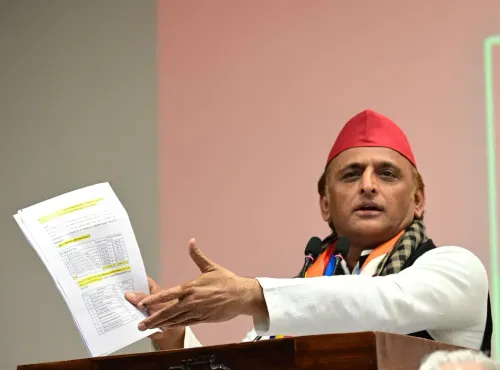
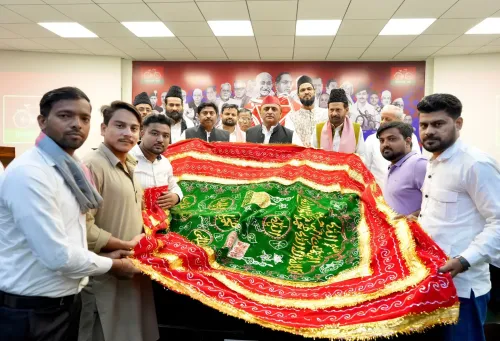
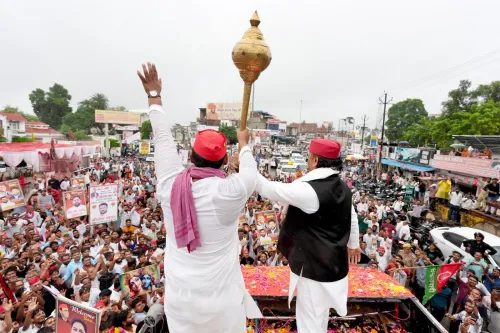
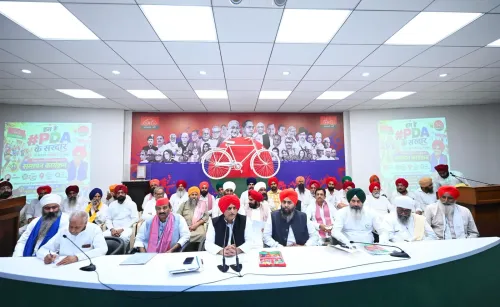
Former rivals shaking hands is a headline in any democracy — but in Uttar Pradesh, it is a political earthquake in slow motion. Samajwadi Party president Akhilesh Yadav on Tuesday, 27 October 2026 announced that former MP Dharmendra Kashyap and his daughter Kirti Kashyap have joined the party's PDA movement, declaring that the development has multiplied the party's strength across Bareilly, Rohilkhand, and all of Uttar Pradesh.
Posting on X, Akhilesh wrote — 'पीडीए ही मिलकर, भाजपा के प्रभुत्ववाद का अंतिम अध्याय लिखेगा' — ('It is PDA alone, together, that will write the final chapter of BJP's dominance'). The post marked what he called a 'special day', noting that leaders who once faced each other in direct electoral contests have now set aside all rivalry to unite under the bigger goals of the PDA.
What the PDA is — and why Rohilkhand matters
The PDA — Pichhda, Dalit aur Alpsankhyak (OBC, Dalit and Minority) — is Samajwadi Party's flagship social-coalition formula, operating under the pledge 'Sabko Samman, Sabko Sthan' ('Dignity for all, a place for all'). The alliance was designed to push the party well beyond its traditional Yadav-Muslim base and into communities that have historically leaned toward the Bharatiya Janata Party.
Rohilkhand — the belt of western UP districts anchored by Bareilly — is a region where OBC and minority voter blocs can decisively swing assembly seats. Bringing in a figure with local organisational roots like Dharmendra Kashyap, a former MP, directly tests whether PDA can convert social messaging into ground-level electoral machinery in a zone the BJP has held firmly since 2017.
Former opponents, same stage — the symbolism Akhilesh is selling
The most pointed detail in Akhilesh's post is not the joining itself but the framing: these are leaders who once stood against each other at the ballot box. That image — old competitors clasping hands — is precisely the narrative Samajwadi Party needs heading into the 2027 Uttar Pradesh assembly elections. It signals that the PDA tent is wide enough to absorb personal histories and electoral grudges.
This pattern — rival defections consolidating an opposition front — has defined UP politics in every cycle since the BJP's sweeping 2017 victory. Regional parties have consistently used high-profile inductions to signal momentum, attract fence-sitters, and pressure sitting legislators. The question, as always in UP, is whether coalition optics translate into booth-level organisation on polling day.
The 2027 countdown and what to watch next
With Uttar Pradesh assembly elections due in 2027, every defection and alliance announcement now carries a clock. Akhilesh's message is deliberate: the PDA is in an active expansion phase, and the Kashyap family's entry is presented as a multiplier, not just a headcount addition. Further candidate announcements and alliance formalisation from Samajwadi Party and its partners will be the real measure of whether today's optics have structural weight.
If PDA's social coalition can genuinely embed in Rohilkhand's OBC and minority pockets, it would mark the most significant opposition territorial gain in western UP in nearly a decade — and signal that 2027 will be a far closer contest than the BJP's current dominance might suggest.
Point of View
Designed to reduce the psychological cost of entry for other fence-sitters. The PDA formula's real test, however, lies in whether its social messaging can be converted into durable booth-level organisation across the state's 403 assembly constituencies. If defections continue at pace into 2027, it will put meaningful pressure on the BJP's OBC consolidation strategy in UP.
NationPress
27 Oct 2026
Frequently Asked Questions
Who are Dharmendra Kashyap and Kirti Kashyap?
Dharmendra Kashyap is a former Member of Parliament. Kirti Kashyap is his daughter. Both have joined Samajwadi Party's PDA movement, as announced by party president Akhilesh Yadav on 27 October 2026. Their specific prior party affiliations have not been officially confirmed in this announcement.
What is the PDA movement of Samajwadi Party?
PDA stands for Pichhda, Dalit aur Alpsankhyak — meaning OBC, Dalit, and Minority communities. It is Samajwadi Party's flagship social coalition initiative, operating under the pledge 'Sabko Samman, Sabko Sthan' (Dignity for all, a place for all), aimed at building a broad anti-BJP front in Uttar Pradesh.
Why does Rohilkhand matter to Samajwadi Party?
Rohilkhand, the belt of western Uttar Pradesh districts centred on Bareilly, has significant OBC and minority voter populations that can swing multiple assembly seats. Strengthening the party's organisational base there is a key part of SP's strategy for the 2027 state elections.
When are the next Uttar Pradesh assembly elections?
The next Uttar Pradesh assembly elections are scheduled for 2027. Samajwadi Party is actively building its PDA coalition and securing defections to challenge the BJP, which has governed the state since 2017.
What did Akhilesh Yadav say about the BJP in his post?
Akhilesh Yadav wrote that 'PDA alone, together, will write the final chapter of BJP's dominance' in Uttar Pradesh, framing the PDA coalition as the decisive political force that will end the ruling party's grip on the state.