Dr. Jitendra Singh: India's Youth Now Lead, Not Just Catch Up
Synopsis
Union Minister Dr. Jitendra Singh quoted PM Modi at ESTIC2026 on October 27, 2026, marking India's shift from decades of S&T catch-up to a new era of youth-led indigenous innovation and national confidence.
Key Takeaways
Union Science and Technology Minister Dr.
Jitendra Singh posted PM Modi's remarks on October 27, 2026 at the #ESTIC2026 event.
PM Modi's quoted remark frames India's past S&T posture as 'catch-up' — a deliberate contrast with today's confident, skilled youth.
India's S&T policy journey runs from the Scientific Policy Resolution of 1958 through the Innovation Policy of 2013 to the current Atmanirbhar Bharat era.
The post signals a government narrative: India's youth now innovate indigenously rather than adapt imported technology.
The ESTIC2026 platform is the forum where this policy self-image is being formally articulated and advanced.
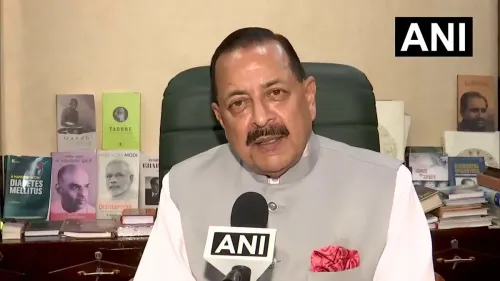
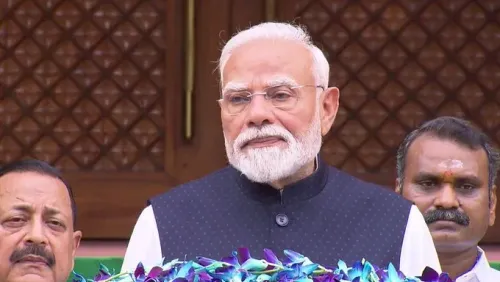
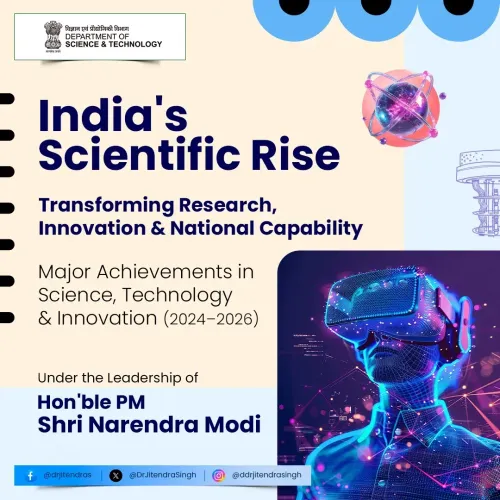
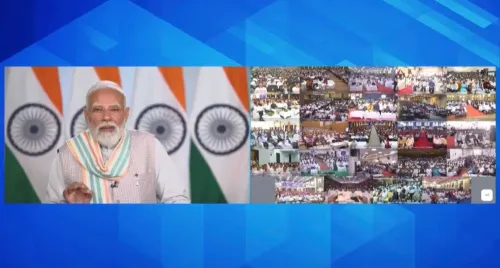
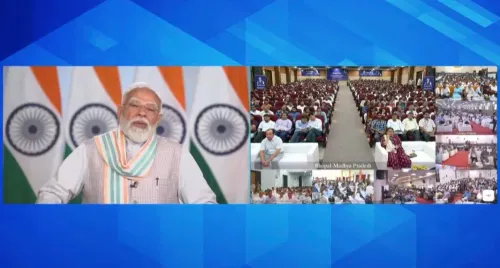
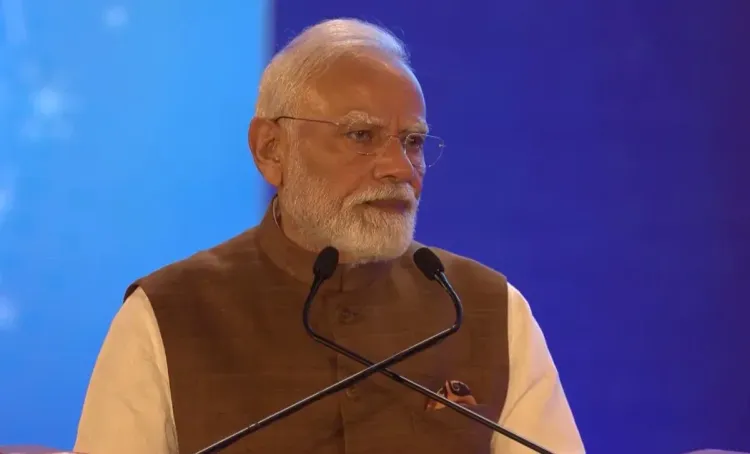
From playing catch-up to setting the pace — that is how Union Science and Technology Minister Dr. Jitendra Singh framed India's generational leap in science and technology on Tuesday, October 27, 2026, quoting Prime Minister Narendra Modi at the #ESTIC2026 event.
The minister's post captured a line that cuts to the heart of a decades-long transformation: 'दशकों पहले एक समय था, जब भारत के लिए साइंस और टेक्नोलॉजी का मतलब था- कैचअप' — 'Decades ago, there was a time when science and technology for India meant catch-up.' The contrast with today's confident, skilled youth was the point PM Modi was driving home.
From the 1958 Science Resolution to Atmanirbhar Ambition
India's relationship with science and technology has always tracked its ambitions as a nation. The Scientific Policy Resolution of 1958 framed the early post-independence mission honestly: build capacity, borrow knowledge, close the gap with industrialised powers. For decades, that is exactly what India did — importing technology, adapting it, and training generations of scientists to master what others had invented.
The pivot came gradually. The Science, Technology and Innovation Policy of 2013 explicitly shifted the language from adaptation to innovation — from catching up to contributing. What PM Modi's remark, as quoted by Dr. Singh, signals is that India now believes it has crossed that threshold. The nation's youth are no longer oriented toward imitation; they are building.
What ESTIC2026 Signals About India's S&T Ambitions
The hashtag #ESTIC2026 places this remark squarely in the context of a major science and technology conclave. While specific proceedings of the event remain unconfirmed, the platform itself — bringing together policymakers, researchers, and innovators — is precisely where such a narrative reset carries weight. Dr. Singh's decision to amplify the Prime Minister's words at this forum is a deliberate signal: the government wants this confidence, this changed self-image, to define India's S&T trajectory going forward.
The enthusiasm Dr. Singh references — 'वह उत्साह बढ़ाने वाला है', 'it is enthusiasm-inspiring' — is not incidental. It is the animating idea behind the Atmanirbhar Bharat push in strategic sectors, from semiconductors and space to deep-tech startups. India's young workforce, the argument goes, no longer needs a foreign blueprint. They arrive with the skill and the swagger to write their own.
The real test of that claim will come in the policy measures that follow conclaves like ESTIC2026 — funding allocations, institutional reforms, and whether the confidence on stage translates into breakthroughs in the lab.
Point of View
Making the contrast with today's youth far sharper and more credible. This kind of self-aware historical pivot is central to the Atmanirbhar Bharat political economy, where confidence itself is treated as a policy input. Whether the institutional scaffolding — R&D funding, patent ecosystems, deep-tech support — matches the rhetorical ambition will ultimately determine whether this shift holds beyond the podium.
NationPress
27 Oct 2026
Frequently Asked Questions
What did PM Modi say about India's science and technology at ESTIC2026?
PM Modi, as quoted by Minister Dr. Jitendra Singh, said that decades ago science and technology for India meant 'catch-up,' contrasting that era with the skill and confidence of today's Indian youth.
How has India's science and technology policy evolved over the decades?
India began with the Scientific Policy Resolution of 1958, focused on building capacity and catching up globally, before shifting toward indigenous innovation through the Science, Technology and Innovation Policy of 2013 and the Atmanirbhar Bharat framework.
What is Atmanirbhar Bharat's role in India's S&T push?
Atmanirbhar Bharat is the government's self-reliance initiative that extends to strategic S&T sectors, encouraging domestic R&D, indigenous manufacturing, and deep-tech entrepreneurship rather than dependence on imported technology.
Who is Dr. Jitendra Singh?
Dr. Jitendra Singh is the Union Minister of State (Independent Charge) for Science and Technology and Earth Sciences, and also holds charge as Minister of State in the Prime Minister's Office and for Personnel.