Dr. Jitendra Singh shares PM Modi's vision for youth global partnerships
Synopsis
Union Minister Dr. Jitendra Singh has shared a statement by PM Narendra Modi underlining that India's growing international partnerships are designed to generate employment, unlock potential, and provide global exposure for the country's youth.
Key Takeaways
Jitendra Singh shared a quote from PM Narendra Modi on 23 May 2026 highlighting India's international partnerships.
PM Modi stated that India is partnering with countries worldwide to ensure youth get opportunities, employment, and global exposure.
The policy is underpinned by the Skill India Mission (launched 2015 ) and bilateral education and research pacts with the UK , Germany , Japan , and the US .
India's demographic dividend — one of the world's largest working-age populations — is central to the government's economic diplomacy strategy.
Upcoming bilateral summits and ministerial announcements may yield new agreements on youth mobility and skill certification recognition.
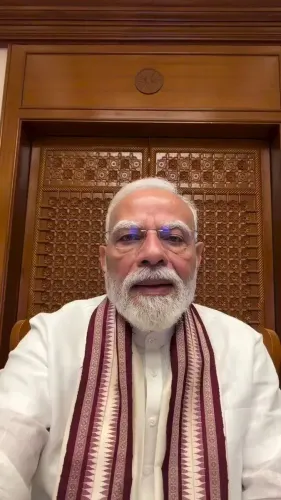
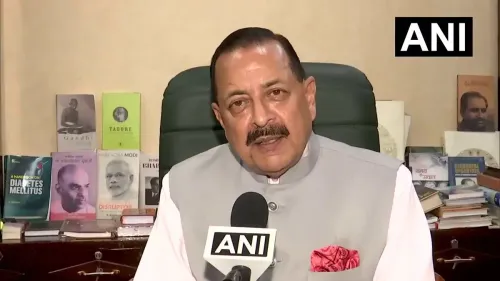
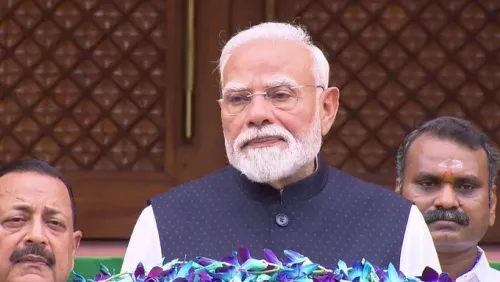
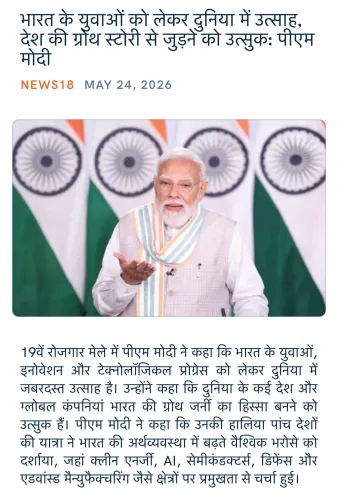
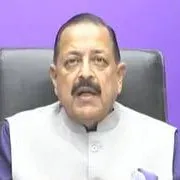
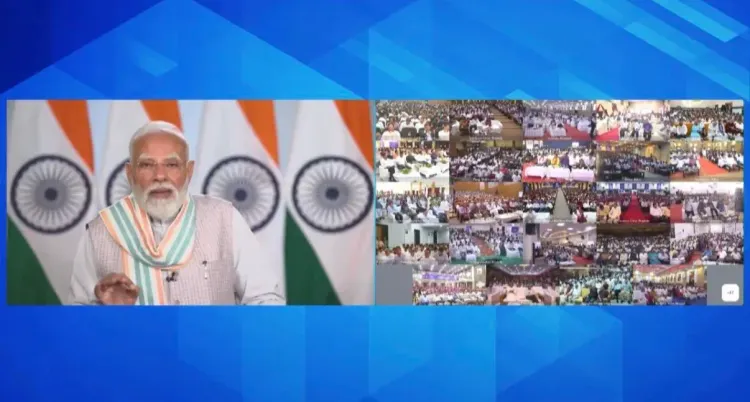
Union Science and Technology Minister Dr. Jitendra Singh on Saturday, 23 May 2026 shared a statement from Prime Minister Narendra Modi on India's expanding international partnerships, emphasising that the goal is to create opportunities, employment, and global exposure for Indian youth.
The post quotes PM Modi directly: 'भारत भी दुनिया के अलग अलग देशों के साथ पार्टनरशिप कर रहा है' ('India is also partnering with different countries across the world'). The Prime Minister added that the purpose is to ensure that 'India's youth get opportunities, get employment, their potential blossoms' — and that he wants the country's young people to gain global exposure as well.
Context
The statement reflects a consistent theme in the current administration's foreign policy: leveraging bilateral and multilateral partnerships to channel opportunities toward India's large and young working-age population. Dr. Jitendra Singh, whose ministerial portfolio spans Science and Technology, Earth Sciences, and the Prime Minister's Office, has frequently highlighted how international science and technology collaborations translate into tangible benefits for Indian youth.
By amplifying PM Modi's words, the minister signals alignment between the S&T ministry's outreach agenda and the broader diplomatic effort to expand youth mobility and employment pipelines abroad.
Policy Backdrop
The thrust of the statement is rooted in a framework built over the past decade. The Skill India Mission, launched in 2015, created the institutional scaffolding for bilateral skill agreements aimed at training Indian youth for both domestic and overseas employment. Since then, India has expanded education and research initiatives with partners including the United Kingdom, Germany, Japan, and the United States, facilitating student and professional mobility at scale.
Successive joint statements from bilateral summits have included provisions on mutual recognition of skill certifications, co-funded research fellowships, and expanded internship schemes — all designed to give Indian professionals a foothold in global labour markets while deepening India's soft-power ties with partner nations.
Stakeholders and Impact
The primary beneficiaries of this policy direction are Indian youth and young professionals, who stand to gain from enhanced access to overseas employment pathways, international internships, and collaborative research programmes. India's demographic dividend — a working-age population that is among the largest in the world — makes this agenda both an economic imperative and a geopolitical asset.
For partner countries, engagement with India's talent pool offers access to a skilled, English-proficient workforce at a moment when many advanced economies face labour shortages. The arrangement is thus framed as mutually beneficial, reinforcing India's positioning as a reliable and capable global partner.
What's Next
Observers will watch for concrete announcements emerging from upcoming bilateral or multilateral summits — particularly new memoranda of understanding on youth mobility, expanded mutual recognition of professional qualifications, or fresh internship and fellowship schemes with partner governments. Dr. Jitendra Singh's amplification of the Prime Minister's statement suggests the Science and Technology ministry may be preparing to announce or follow through on specific international agreements in the near term. The broader arc points toward India deepening its economic diplomacy with a sharper focus on converting global partnerships into measurable employment outcomes for its young population.
Point of View
Connecting foreign policy wins to domestic aspirations ahead of what is likely a busy diplomatic calendar. This approach reflects a broader pattern in which the current administration seeks to make the abstract tangible: bilateral summits are sold not as elite diplomatic exercises but as pipelines for jobs and opportunities for ordinary young Indians. The strategy also serves a soft-power purpose, presenting India's demographic scale as an asset rather than a challenge.
NationPress
19 Sept 2026
Frequently Asked Questions
Why is PM Modi focusing on international partnerships for Indian youth?
PM Modi has stated that India's partnerships with countries worldwide are aimed at ensuring Indian youth get employment opportunities, see their potential flourish, and gain global exposure — framing economic diplomacy as a direct tool for youth development.
What is the Skill India Mission and how does it relate to global partnerships?
The Skill India Mission , launched in 2015 , is a flagship government programme that created the framework for bilateral skill agreements, enabling Indian youth to be trained and certified for both domestic and international employment markets.
Which countries has India partnered with for youth and education opportunities?
India has expanded education, research, and skill partnerships with several nations including the United Kingdom , Germany , Japan , and the United States , covering student mobility, research fellowships, and professional certification recognition.
What is Dr. Jitendra Singh's role in India's science and technology diplomacy?
Dr. Jitendra Singh serves as Union Minister of State (Independent Charge) for Science and Technology and Earth Sciences, and also holds charge in the Prime Minister's Office — making him a key figure in translating international S&T collaborations into youth-facing opportunities.
What can Indian youth expect from India's global partnership push?
Indian youth can potentially benefit from expanded overseas employment pathways, international internships, co-funded research fellowships, and mutual recognition of skill certifications as India deepens bilateral agreements with partner countries.