South Korea data leak: Personal info of President Lee, 168 entourage members exposed
Synopsis
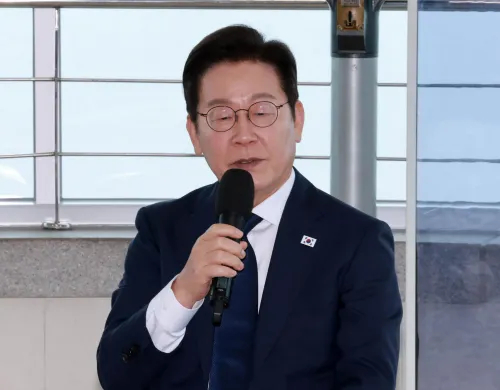
A classified file with the passport numbers and personal details of South Korean President Lee Jae Myung and 168 travel companions — including the first lady and the national security adviser — was uploaded to a public website in June, only surfacing now. The presidential office has called it a serious incident and launched investigations, while passports are being reissued to everyone affected.
Key Takeaways
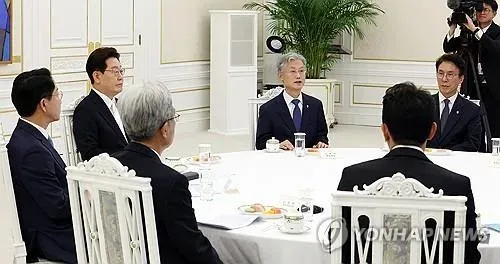
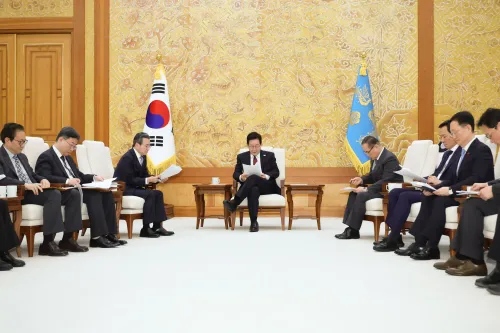
South Korea's presidential office held an emergency meeting on 3 November 2026 over a data leak affecting President Lee Jae Myung .
A total of 168 people reportedly had personal information — including passport numbers and dates of birth — exposed on a publicly accessible website.
Those affected include the first lady , National Security Adviser Wi Sung-lac , government ministers, and journalists who travelled with the June delegation.
Presidential chief of staff Lim Kwang-hyun described the breach as 'a serious matter that cannot be overlooked' and ordered a full accountability investigation.
The foreign ministry said the leaked data has been deleted from the website and that passports are being reissued to all affected individuals.
Authorities are treating the incident as an internal leak rather than a hacking attack, with all presidential travel materials classified as official documents.
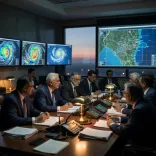
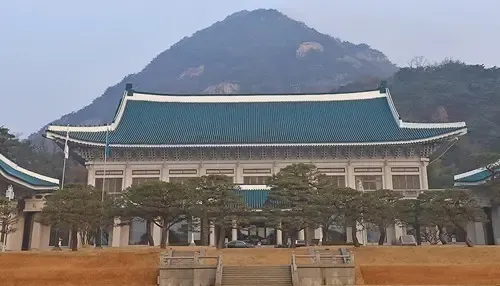
South Korea's presidential office convened an emergency meeting on Tuesday, 3 November 2026, after a computer file containing the personal data of President Lee Jae Myung and 168 members of his overseas travel entourage was uploaded to a publicly accessible website during his June overseas trip. The breach, which reportedly exposed passport numbers and dates of birth, has triggered investigations by both the presidential office and the foreign ministry.
Who Was Affected
The leak extended well beyond the president himself. Among those whose personal information was reportedly compromised were the first lady, then presidential policy chief Kim Yong-beom, National Security Adviser Wi Sung-lac, government ministers, presidential officials, and journalists who travelled with the delegation. In total, 168 individuals reportedly had their data exposed, according to earlier news reports.
What the Emergency Meeting Concluded
The meeting was chaired by presidential chief of staff Lim Kwang-hyun, who characterised the incident as 'a serious matter that cannot be overlooked.' Lim called for a thorough investigation into the full extent of the breach, potential damages, and the identity of whoever was responsible. He also directed relevant government agencies to review the security management system governing presidential overseas travel and to formulate effective countermeasures.
Foreign Ministry Steps In
The foreign ministry confirmed it is conducting a joint investigation with relevant agencies. Spokesperson Park Doo-soon, speaking at a press briefing, said: 'The ministry is conducting a comprehensive and in-depth investigation, including technical inspections of computers and email accounts related to events during the president's overseas trip in June.' Park added that the leaked information has since been removed from the website in question, and checks are under way to identify any other instances of data exposure. The ministry is also arranging for passports to be reissued to all 168 affected individuals, including President Lee and the first lady.
Leak, Not Hack — But Questions Remain
Notably, Park clarified that the incident is currently being treated as a 'leak' rather than a hacking attack, a distinction that shifts focus toward internal processes and human error. He also stressed that all materials related to presidential overseas trips are managed as classified documents — raising questions about how a classified file ended up on a publicly accessible platform in the first place. This is the kind of operational security failure that, if replicated, could expose diplomatic schedules and travel details to hostile actors before future presidential tours.
What Happens Next
The foreign ministry has pledged to take steps to prevent recurrence. Passport reissuances are being expedited for all affected individuals. A formal accountability inquiry is expected to follow the technical investigation. The incident is likely to prompt a broader review of how South Korea manages classified travel documents and who has access to sensitive delegation files.
Point of View
Apparently without detection for months. That points to systemic process failure — not a sophisticated cyberattack. The distinction between 'leak' and 'hack' matters: a hack implies an external adversary; a leak implies someone with authorised access made an error or acted deliberately. South Korea's government has not yet answered which it is. Until that question is resolved, the passport reissuances and website takedowns are damage control, not a fix. Presidential travel security frameworks across the Indo-Pacific are watching this closely.
NationPress
3 Nov 2026
Frequently Asked Questions
What personal data was leaked in the South Korea presidential breach?
The leaked file reportedly contained dates of birth and passport numbers belonging to President Lee Jae Myung and 168 members of his June overseas travel entourage, including the first lady, the national security adviser, government ministers, and journalists. The file was uploaded to a publicly accessible website in the same month as the trip.
Who called the emergency meeting and what was decided?
Presidential chief of staff Lim Kwang-hyun chaired the emergency meeting on 3 November 2026. He ordered a full investigation into the breach's scope, potential damages, and who was responsible, and directed agencies to review security protocols for presidential overseas tours.
Was this a hacking incident or an internal leak?
South Korean authorities are currently treating the incident as a leak rather than a hacking attack, according to foreign ministry spokesperson Park Doo-soon. All materials related to presidential overseas travel are managed as classified documents, raising questions about internal access controls.
What steps are being taken to protect those affected?
The foreign ministry has had the leaked information deleted from the website, is conducting technical inspections of computers and email accounts linked to the June trip, and is arranging for passports to be reissued to all 168 affected individuals, including President Lee and the first lady.
Why does this incident matter beyond South Korea?
The breach exposed sensitive personal details — including passport numbers — of a sitting head of state and senior national security officials. If such data reaches hostile actors, it could compromise future diplomatic travel security. The incident is prompting calls for a broader review of how classified delegation documents are stored and accessed.