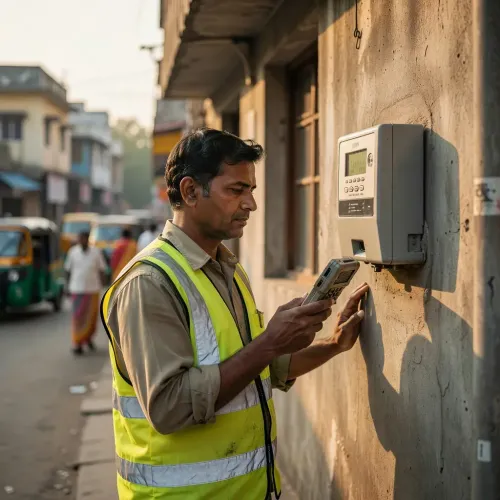
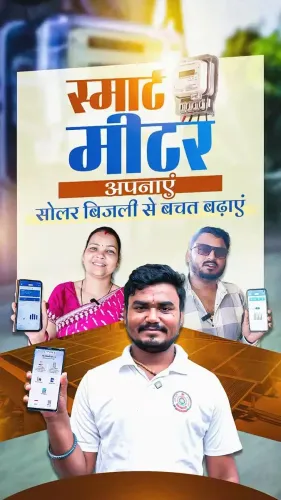
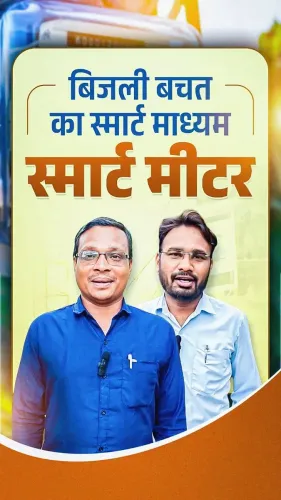
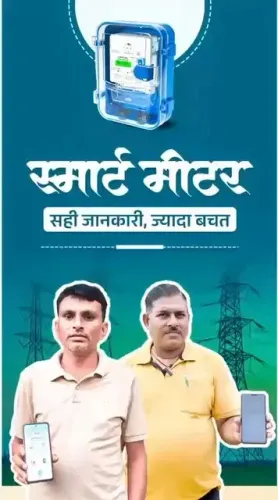
Chhattisgarh CMO Pushes Smart Meter Billing for Real-Time Power Data
Synopsis
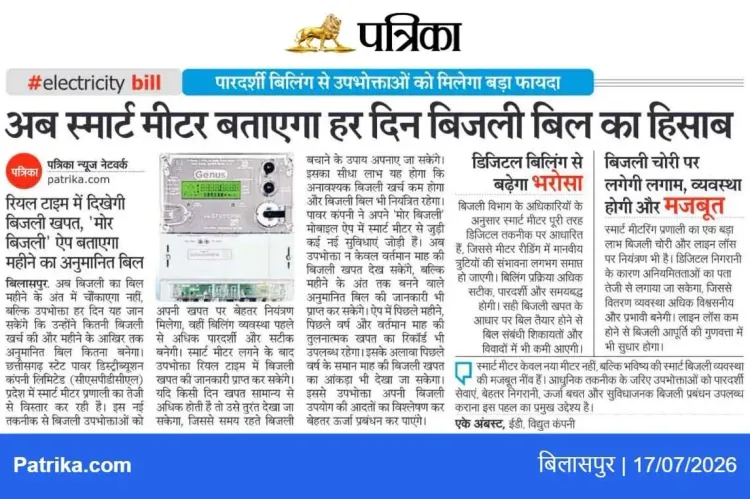
The Chief Minister's Office of Chhattisgarh announced on 17 July 2026 that smart meter billing will give consumers real-time, accurate electricity consumption data, advancing the state's digital governance and power sector transparency agenda.
Key Takeaways
The Chief Minister's Office of Chhattisgarh announced smart meter billing on 17 July 2026 .
Consumers will receive real-time, accurate data on electricity consumption, replacing estimated billing.
The initiative is framed under the state's #GoodGovernance and #Sushasansarkar branding.
The move aligns with the central government's Smart Meter National Programme and the National Smart Grid Mission launched in 2013 .
Key beneficiaries include electricity consumers and state discoms , which stand to reduce revenue losses from billing errors and power theft.
State-level installation targets and integration timelines remain to be announced.
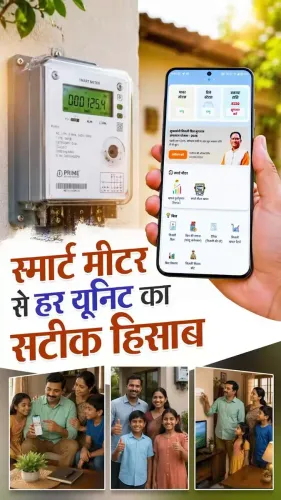
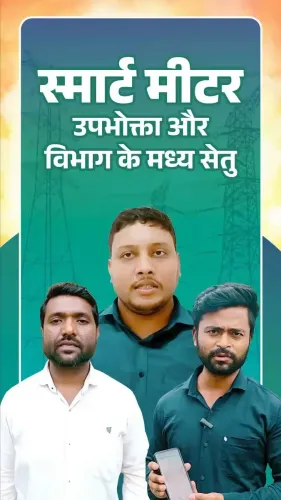
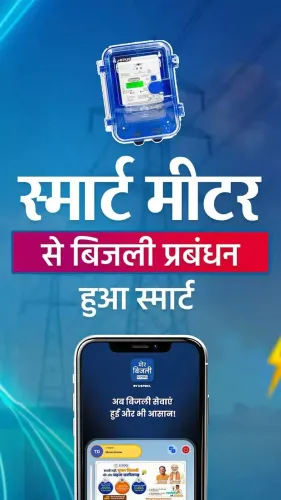
The Chief Minister's Office of Chhattisgarh announced on Friday, 17 July 2026 that the state is rolling out smart meter billing to give electricity consumers accurate, real-time data on their power consumption, framing the move as a step toward digital transparency in the power sector.
The official post stated: 'Ab upbhoktaon ko milegi real time bijli khapat ki sateek jaankari' ('Now consumers will get accurate real-time information on electricity consumption'), adding that digital billing and smart meter infrastructure are being made 'easy, accurate and trustworthy.'
Context
Chhattisgarh is a central Indian state that has been working to modernise its power distribution network. The CMO's announcement positions smart meters as the cornerstone of a consumer-facing reform — shifting billing from estimated or periodic manual readings to continuous digital monitoring. The post was tagged #Sushasansarkar and #GoodGovernance, signalling the government's intent to brand utility reform as a governance priority.
Policy Backdrop
The push fits within a long-running national framework. The National Smart Grid Mission, launched in 2013, set the foundation for advanced metering infrastructure across Indian states. This was followed by the Ujwal DISCOM Assurance Yojana (UDAY) in 2015, which targeted discom efficiency, reduction of aggregate technical and commercial losses, and adoption of technology upgrades including digital metering.
The Smart Meter National Programme, a more recent central government initiative, has further pushed states to deploy advanced meters that enable two-way data flow between consumers and distribution companies. Multiple states have already reported reductions in billing disputes and power theft following smart meter rollouts under this programme.
Stakeholders and Impact
The primary beneficiaries are electricity consumers across Chhattisgarh, who stand to gain transparent, itemised billing based on actual usage rather than estimates. For state distribution companies (discoms), real-time metering reduces revenue leakage from undetected theft and billing errors — a persistent drain on discom finances across India.
Digital billing also reduces the administrative overhead of physical meter reading cycles, potentially cutting operational costs. Consumers in rural and semi-urban areas, where billing disputes have historically been more common, could see the most immediate benefit from accurate, verifiable usage data.
What's Next
Attention will now turn to the scale and pace of installation — specifically how many meters are being deployed, which districts are prioritised, and how the state's rollout integrates with existing distribution network infrastructure. Progress will also be reviewed against central government benchmarks under the Smart Meter National Programme. A credible, time-bound installation target and a consumer grievance mechanism for the transition period will be critical to translating the policy intent into measurable outcomes.
Point of View
Transparency, trust — the government is attempting to shift the political narrative around electricity from one of shortages and disputes to one of empowerment. The branding under 'Sushasan Sarkar' (Good Governance Government) suggests the ruling dispensation sees utility reform as electorally legible, not just administratively necessary. The real test will be whether installation targets are met and whether the billing interface is accessible enough to benefit consumers in rural Chhattisgarh, where digital literacy and connectivity vary significantly.
NationPress
15 Oct 2026
Frequently Asked Questions
What is the Chhattisgarh smart meter billing announcement?
The Chief Minister's Office of Chhattisgarh announced on 17 July 2026 that smart meters will provide electricity consumers with real-time, accurate data on their power consumption, replacing estimated billing with transparent digital billing.
What is the Smart Meter National Programme in India?
The Smart Meter National Programme is a central government initiative to deploy advanced metering infrastructure across Indian states, enabling real-time electricity usage data, digital billing and reduced losses for distribution companies.
How do smart meters benefit electricity consumers in India?
Smart meters give consumers accurate, real-time information on their electricity usage, eliminate billing based on estimates, reduce disputes with discoms, and enable digital payment and monitoring of consumption.
What is the National Smart Grid Mission?
The National Smart Grid Mission was launched in 2013 to modernise India's power infrastructure through smart metering, digital monitoring and two-way communication between consumers and distribution utilities.
How does smart metering help reduce power theft in India?
Smart meters provide continuous, tamper-evident digital readings that make unauthorised connections and meter tampering easier to detect, helping discoms reduce aggregate technical and commercial losses.